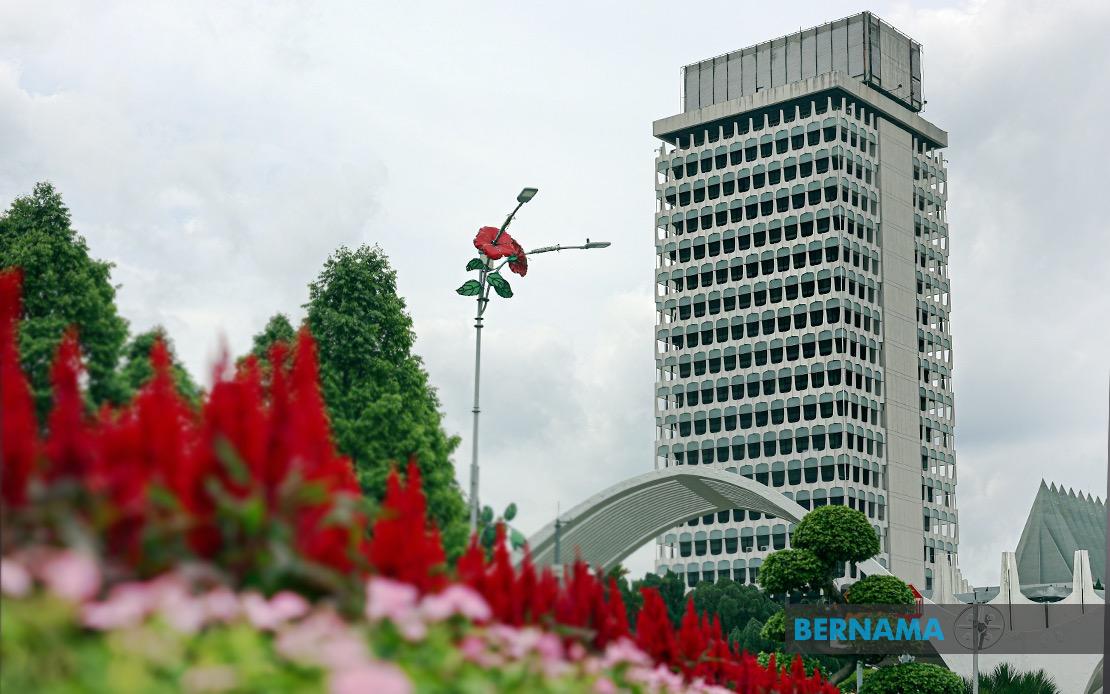
Members of Parliament from across the political spectrum have united in demanding rapid reforms to the Tabung Haji Act 1995, seeking to address governance failures that have undermined the Islamic pilgrimage savings institution. The calls came during a special parliamentary sitting dedicated to examining the Royal Commission of Inquiry (RCI) report on Tabung Haji, which revealed significant operational and management weaknesses spanning 2014 to 2020. Lawmakers emphasised that legislative amendments must be prioritised to implement the RCI's 25 recommendations and shield the institution from the political entanglements that contributed to its financial difficulties.
The centrepiece of the reform agenda concerns Section 10 of Act 535, which grants the Finance Minister broad authority to issue general directives to Tabung Haji. Datuk Shahelmey Yahya from the Putatan constituency argued persuasively that this concentration of ministerial power has been instrumental in enabling the governance lapses that damaged the institution's credibility and financial standing. He contended that an organisation pursuing institutional excellence cannot operate effectively when political considerations override sound management principles. The removal or substantial restriction of this ministerial prerogative represents the most contentious but essential reform, as it would establish a meaningful separation between political oversight and day-to-day operational decision-making.
Board appointments emerge as a second critical area requiring legislative intervention. Multiple lawmakers stressed the necessity of anchoring leadership recruitment exclusively to qualifications, professional credentials, and demonstrated competence. Syed Saddiq Syed Abdul Rahman highlighted the need to formalise transparent, merit-driven appointment processes that eliminate political patronage from the board selection mechanism. This reform would ensure that Tabung Haji's leadership reflects the highest standards of Islamic finance expertise and institutional management rather than political loyalty or factional considerations. The emphasis on professionalisation extends beyond the board chair to all directors, whose appointment must withstand scrutiny based on their track records and capabilities.
Tan Sri Muhyiddin Yassin articulated a comprehensive reform framework extending beyond legislative amendments. He advocated for strengthening the regulatory oversight role of Bank Negara Malaysia, establishing an independent investment committee insulated from political pressure, and restructuring the institution's investment portfolio to ensure compliance with Islamic financial principles. These measures would create multiple institutional safeguards against the recurrence of the investment missteps and Shariah-law violations documented in the RCI report. The former Prime Minister's intervention underscored that parliamentary consensus exists for ambitious governance reconstruction, not merely cosmetic adjustments to the existing legislative framework.
The RCI's inquiry, whose findings were made public on July 29, exposed the consequences of unchecked political influence over Tabung Haji's operations. As of early August, the institution had implemented approximately 75 per cent of the commission's recommendations, demonstrating institutional willingness to reform. However, lawmakers recognised that legislative action represents the most durable mechanism for preventing regression. Without formal amendment to Act 535, future governments or ministers could theoretically reverse administrative reforms or revert to previous practices of political micromanagement. The parliamentary consensus reflects recognition that legal scaffolding provides necessary protection against institutional relapse.
Mohamad Shafizan Kepli articulated the profound stakes for ordinary Malaysians saving for the Hajj pilgrimage. He framed governance weakness as a betrayal of trust by millions of depositors who have accumulated savings over years in reliance on Tabung Haji's stewardship. This framing resonates across Malaysia's Muslim majority population, for whom the Hajj represents a spiritual obligation and life milestone. The institution's financial mismanagement has effectively victimised these small savers, many of whom lack sophisticated investment knowledge and depend on institutional credibility. Lawmakers recognised that permitting continued political appointees or ministerial meddling exposes vulnerable populations to unacceptable risk.
The breadth of parliamentary support for reform spans the political spectrum remarkably. Government and opposition benches, including representatives from Perikatan Nasional, Pakatan Harapan, and Barisan Nasional, articulated consistent demands for legislative change. Datuk Azman Nasrudin, Young Syefura Othman, Datuk Seri Hasni Mohammad, and Datuk Mohd Suhaimi Abdullah all emphasised the urgency of eliminating political appointments and conflicts of interest. This rare alignment suggests that Tabung Haji governance has transcended partisan politics and achieved recognition as a matter of institutional integrity affecting millions of Malaysian citizens. The consensus provides political space for the government to advance amendments without fear of obstructive opposition.
Implementing these reforms carries implications beyond Tabung Haji itself. The institution stands as Southeast Asia's largest Islamic savings vehicle, managing billions in depositor funds and operating across the region. Its governance failures have reverberated through Islamic finance markets, raising questions about regulatory adequacy in other faith-based financial institutions. Malaysian reforms could establish a template for neighbouring countries examining how to protect Islamic financial institutions from political instrumentalisation. Conversely, the parliamentary momentum for reform demonstrates Malaysia's capacity for institutional self-correction when governance failures attract sufficient public and political scrutiny.
The timeline for legislative amendment remains uncertain despite parliamentary urgency. The government must now translate parliamentary sentiment into formal amendment proposals, navigate technical drafting, and secure passage through both legislative chambers. International best practices in financial institution governance suggest that removing ministerial direction powers while establishing independent board appointment processes typically requires detailed consultation with regulatory authorities, institutional stakeholders, and constitutional lawyers. The government's apparent willingness to implement the RCI's recommendations suggests favourable conditions for prompt legislative action, though parliamentary schedules and competing legislative priorities may affect timing.
Stakeholders in Tabung Haji's recovery should note that legislative amendment addresses necessary but insufficient conditions for institutional restoration. The amendments must accompany rigorous enforcement, internal accountability mechanisms, and sustained regulatory oversight by Bank Negara Malaysia. Merely removing ministerial power while retaining board members or management with historical involvement in previous failures risks replicating governance weaknesses under altered formal structures. The RCI report's comprehensive findings provide detailed guidance on investment standards, risk management protocols, and Shariah compliance mechanisms that require parallel institutional implementation.
For Malaysian depositors and the broader Muslim community dependent on Tabung Haji's pilgrimage financing services, the parliamentary debate signals serious political commitment to institutional reform. The institution's restoration to financial stability and governance credibility remains achievable through coordinated legislative, regulatory, and institutional action. However, the coming months will test whether parliamentary consensus translates into decisive governmental action and whether amended legislation effectively prevents the political interference patterns that generated the governance catastrophe documented in the RCI report.

