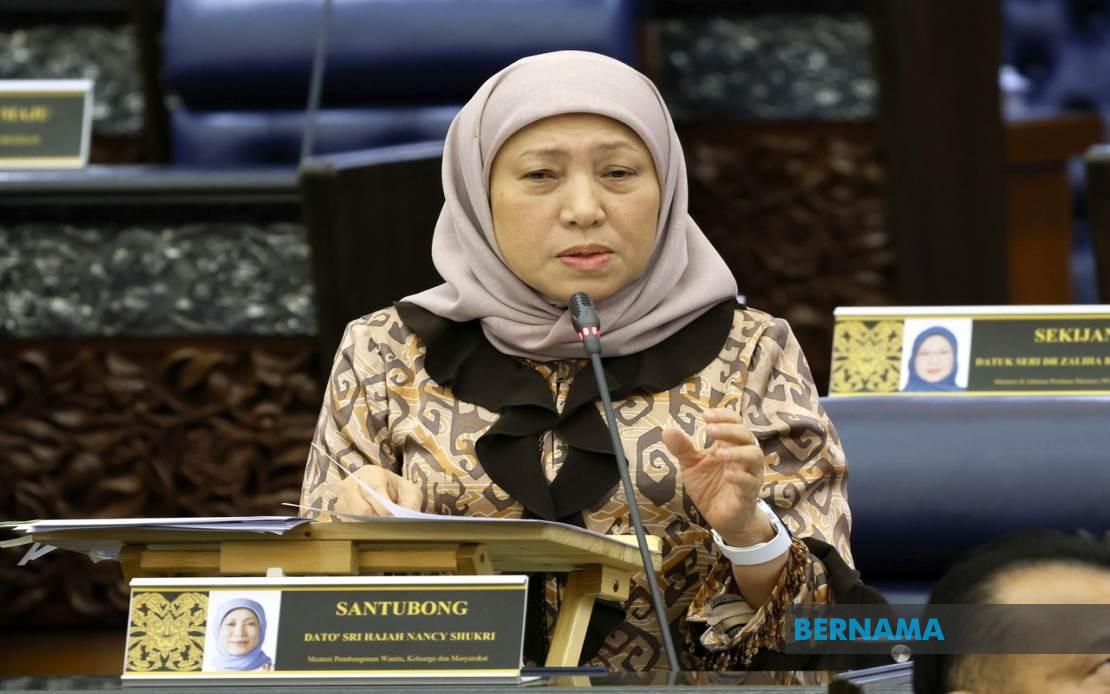
Malaysia's Parliament has taken a significant step forward in professionalising the social work sector by passing the Social Work Profession Bill 2026, legislation that represents the culmination of more than a decade of efforts to formally recognise and regulate the profession. The bill, which received majority support from the Dewan Rakyat following contributions from 23 members across the political spectrum, establishes the Malaysian Social Work Profession Council as the governing body responsible for overseeing practitioners and setting professional standards throughout the country.
According to Minister of the Women, Family and Community Development Ministry Datuk Seri Nancy Shukri, the implementation strategy will follow a phased approach, with the government prioritising the establishment of the Council before extending regulatory mechanisms to other segments of the workforce. This measured rollout reflects acknowledgement of the operational complexities involved in bringing various stakeholder groups under unified professional governance, particularly when navigating existing institutional frameworks across multiple government agencies.
The initial phase of implementation targets private sector social workers comprehensively, requiring mandatory registration from practitioners employed by non-governmental organisations, community-based organisations, corporate entities, and those operating independently. This approach ensures immediate coverage of the professional cohort least constrained by existing government employment regulations and existing supervision mechanisms. Public sector social workers currently fall outside the mandatory registration requirement, needing only to register if they undertake social work activities beyond their official governmental responsibilities.
The exemption for public officers reflects existing constraints rather than permanent policy positioning. Government social workers already operate within established supervision systems, government-mandated training protocols, standard operating procedures, and professionalised codes of ethics. Any mechanism requiring universal registration across the civil service would necessitate complex coordination between numerous ministries and agencies, making implementation logistically challenging in the short to medium term. Nancy Shukri nevertheless affirmed that the government remains committed to developing a comprehensive legal framework that eventually encompasses all social workers, both in public service and across the broader Malaysian employment landscape.
The newly established Council will assume substantial responsibility for developing the regulatory architecture underpinning professional practice. This includes creating qualifications frameworks and competency standards tailored to the Malaysian context, establishing formal complaints resolution mechanisms, drafting guidelines addressing the occupational safety and welfare of social workers themselves, and evaluating proposals including a national reciprocity framework for social worker credentials. These functions represent a fundamental shift toward professionalisation, moving social work from a loosely coordinated sector toward one with standardised expectations and accountability mechanisms.
Opposition members raised important considerations about equity and professional standards during parliamentary debate. Howard Lee from Ipoh Timor questioned the logic of exempting government social workers from holding practice certificates, noting that public sector practitioners frequently manage high-risk cases involving child protection, persons with disabilities, elderly individuals, and vulnerable families. His intervention highlighted an apparent inconsistency in requiring private practitioners to meet certification standards while allowing government employees handling comparably sensitive caseloads to continue operating under different regulatory frameworks. The tension between immediate implementation and comprehensive coverage remains unresolved.
Dr. Halimah Ali from Kapar advocated for supplementary government support measures aimed at strengthening implementation prospects. Her proposals included targeted grants for non-governmental organisations involved in social work, scholarship programmes for aspiring practitioners, and special financial incentives for professionals accepting positions in underserved rural communities. These suggestions recognise that legislative establishment of standards means little without corresponding investment in building capacity, particularly in less economically developed regions where recruiting qualified personnel presents ongoing challenges.
Multiple parliamentarians emphasised the need for robust institutional safeguards around the Council's operations. Lim Lip Eng stressed that professionalisation must be accompanied by transparent governance structures, independent decision-making processes, and equitable enforcement mechanisms avoiding arbitrary or inconsistently applied sanctions. This reflects broader concerns within Malaysia's democratic institutions about ensuring that newly created regulatory bodies operate with integrity and serve practitioners as well as service users.
Regional equity featured prominently in closing remarks, with Datuk Siti Aminah Aching from Beaufort voicing hopes that implementation would generate expanded career opportunities across all states, particularly in Sabah and Sarawak where professional social work infrastructure remains less developed. This concern reflects longstanding resource distribution patterns disadvantaging East Malaysian states and highlights the need for the Council to prioritise equitable professional development opportunities across the federation.
The bill explicitly excludes volunteers and informal caregivers from its regulatory scope, focusing instead on practitioners engaged in professional social work activities. Minimum wage matters affecting social workers remain subject to existing employment legislation rather than Council authority, a distinction clarifying the council's specialised remit around professional standards rather than employment conditions broadly. Government funding for the Council's operational expenses will flow through annual parliamentary allocations, ensuring stable institutional finances.
The legislation includes provisions enabling continuous refinement through regulations and guidelines the Council will develop, acknowledging that professionalisation constitutes an evolving process rather than a final fixed state. Standards will require adjustment as practice contexts change, new challenges emerge, and evidence regarding effective approaches accumulates. This forward-looking design reflects sophisticated understanding of how professional regulation functions in dynamic social sectors.
For Malaysia's social work community and the millions of vulnerable citizens who depend on these services, the bill's passage marks genuine progress toward elevating service quality and practitioner accountability. The framework recognises social work's legitimacy as a distinct profession requiring specific knowledge, skills, and ethical commitments. Implementation success will ultimately depend on the Council's capacity to develop meaningful standards, the profession's willingness to embrace accountability, and sufficient government investment in building infrastructure across all regions. The next chapter involves translating legislative intent into functioning regulatory systems capable of delivering tangible improvements to professional practice and, ultimately, to vulnerable populations requiring skilled social support.

