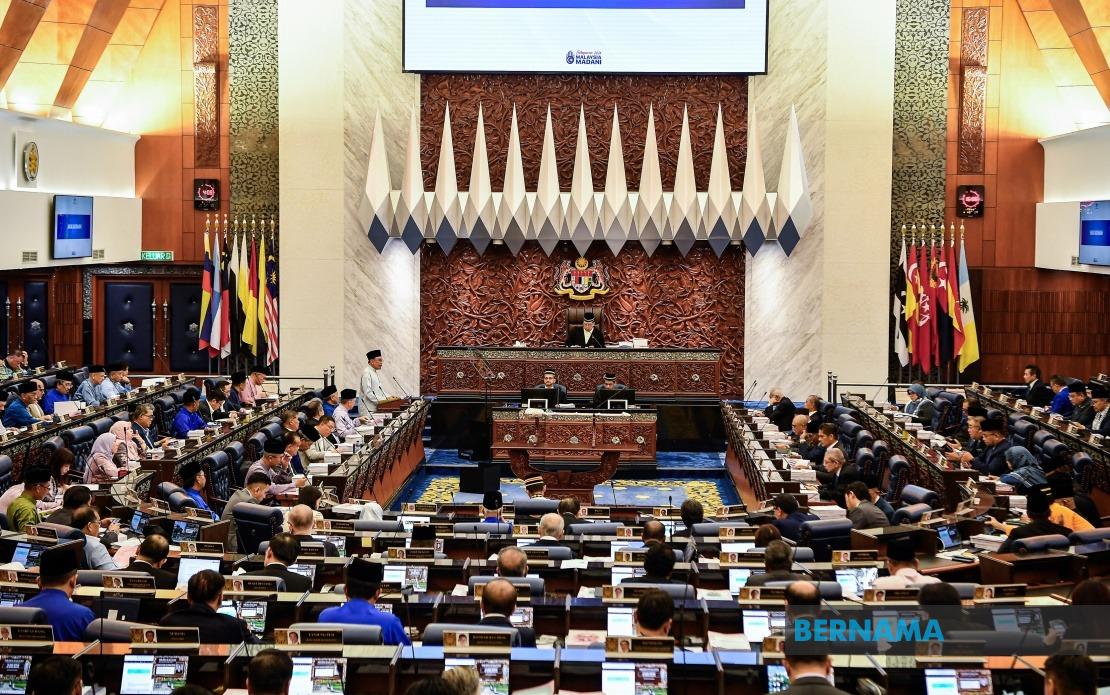
Malaysia has taken a significant legislative step in the digital age by approving the Cybercrimes Bill 2026 in Parliament on July 1, marking an important development in the country's approach to online crimes. The bill, which underwent debate involving 48 Members of Parliament from both government and opposition benches before being passed by majority voice vote, addresses growing concerns about technology-enabled offences that have become increasingly prevalent across Southeast Asia.
The legislation comprises 61 distinct clauses and specifically targets the creation and distribution of deepfakes and non-consensual intimate imagery produced through computer manipulation. These offences represent some of the most damaging forms of cybercrime affecting individuals, particularly women and vulnerable groups, who may suffer significant reputational, emotional, and psychological harm from such malicious digital content. The bill's focus on these particular crimes reflects Malaysia's recognition of a pressing social problem that existing laws have struggled to adequately address.
Deputy Prime Minister Datuk Seri Dr Ahmad Zahid Hamidi defended the legislation during parliamentary proceedings by emphasising that it does not grant unlimited authority to enforcement agencies or supersede existing legal frameworks, including the Official Secrets Act 1972. This clarification addresses a common concern among civil society observers and legal experts who worry that broad cybercrime legislation could be misused to suppress dissent or monitor citizens inappropriately. The government's explicit statement regarding checks and balances suggests an attempt to balance security needs with democratic accountability.
A critical component of the bill involves computer system access and data retrieval powers. According to Zahid Hamidi, such powers cannot be exercised arbitrarily but must follow prescribed legal procedures, a safeguard intended to prevent overreach by authorities. The legislation requires that data preservation notices only be issued when investigating officers genuinely believe the information is necessary for their investigation and faces genuine risk of deletion, alteration, or destruction without immediate intervention. This requirement theoretically prevents speculative or politically motivated data seizures.
The disclosure of computer data under the new law similarly involves procedural requirements designed to protect individual rights. Any request for access to someone's digital information must be communicated through formal written notice to the data owner or controller, and authorities must demonstrate that such disclosure serves a lawful investigative purpose. These procedural steps create documentary trails that enable judicial review and provide transparency in how the government exercises its powers under the legislation.
For Malaysia, this legislation arrives at a moment when digital literacy and cybersecurity awareness remain unevenly distributed across the population. While urban, educated demographics may understand their rights under such laws, rural and less-connected communities could remain vulnerable to exploitation through digital means. The success of the Cybercrimes Bill 2026 will depend not only on the quality of its legal drafting but on how effectively authorities implement it while respecting the procedural safeguards embedded within it.
The bill's passage also reflects broader Southeast Asian trends in cybercrime legislation. Regional governments, from Thailand to Indonesia, have introduced or strengthened similar laws addressing deepfakes and non-consensual imagery, though implementation and enforcement remain inconsistent. Malaysia's approach, particularly its emphasis on legal procedures and checks against arbitrary power, may offer lessons for neighbouring countries developing their own frameworks, or conversely, may face pressure to align with practices in the region that prioritise security over privacy.
Civil society organisations and legal experts will likely scrutinise how the Cybercrime Investigation Department and other enforcement bodies apply this legislation in practice. The distinction between the law as written and the law as enforced often determines whether protections for fundamental rights prove meaningful or merely cosmetic. Training for police and prosecutors, transparent complaint mechanisms for individuals who believe their rights have been violated, and regular parliamentary oversight will be essential to ensuring the bill achieves its stated purpose without becoming an instrument of surveillance or political control.
The participation of opposition Members of Parliament in debating the bill suggests some degree of consensus on the need for cybercrime legislation, though questions likely remain about specific provisions and their potential for misuse. The 48 parliamentarians who contributed to discussions presumably raised concerns and proposed amendments, reflecting the complexity of balancing innovation, security, and liberty in the digital realm. Whether the final bill satisfactorily addresses opposition concerns or merely incorporates cosmetic amendments will become clearer through its implementation and any subsequent legal challenges.
Looking forward, the Cybercrimes Bill 2026 will require complementary measures to be truly effective. Public education campaigns explaining citizens' rights and responsibilities under the new law could help prevent misuse and build public trust in digital governance. Coordination between Malaysian law enforcement agencies and international partners will be necessary, as cybercriminals often operate across borders. Additionally, the legislation's success will partly depend on whether it encourages technology companies operating in Malaysia to improve reporting mechanisms and remove illegal content more efficiently, creating a shared responsibility model for digital safety.

