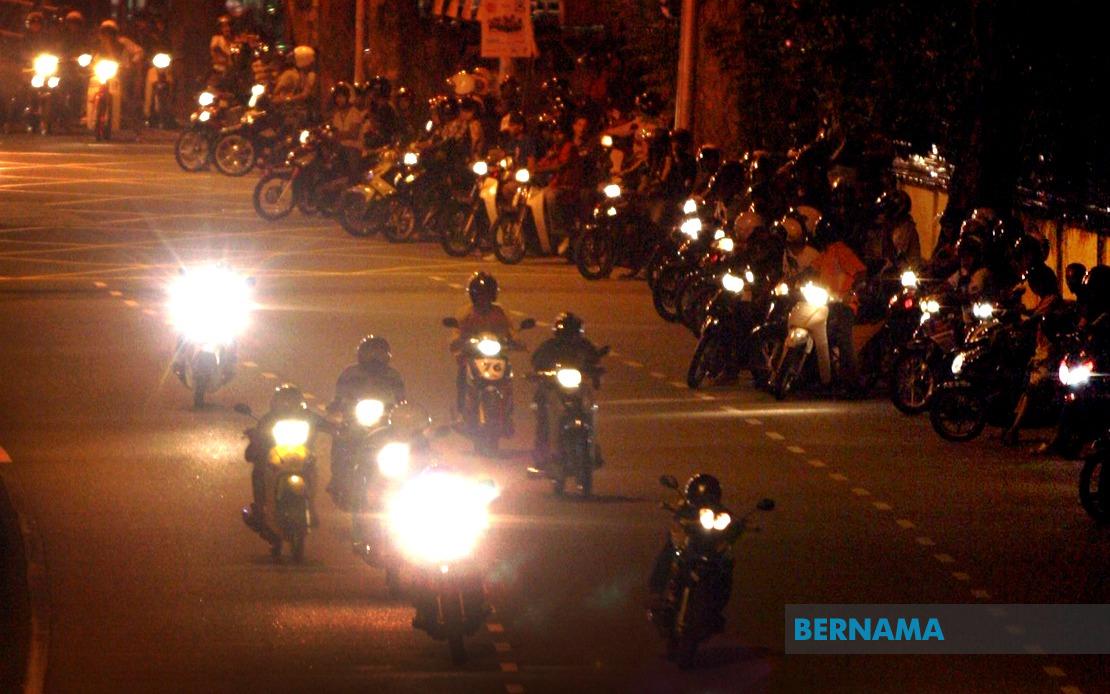
Lawmakers in the Dewan Rakyat have put forward a comprehensive package of enforcement tools to curb the persistent problem of illegal street racing, signalling parliament's intention to dramatically escalate consequences for offenders. The proposals emerged during debate on the Road Transport (Amendment) Act 2026, with members from both government and opposition benches supporting measures that go well beyond existing penalties. The thrust of these recommendations reflects growing parliamentary concern that current deterrents have failed to arrest the practice, which continues to claim lives and destabilise communities across Malaysia.
One of the most significant proposals comes from Datuk Willie Mongin, who advocated for the permanent revocation of driving licences as a mandatory sanction for street racers. Beyond the current framework of fines and custodial sentences, Mongin has suggested minimum financial penalties of RM300,000 coupled with five-year prison terms, coupled with lifelong driving bans. His position represents an escalation in the severity regime, premised on the argument that such measures would demonstrate genuine governmental resolve. The permanent licence revocation approach would effectively remove repeat offenders from the road indefinitely, eliminating future risk they pose to other road users.
Khairil Nizam Khirudin has introduced a complementary rehabilitation dimension, proposing that mandatory educational programmes be woven into the penalty framework. His vision encompasses disciplinary components alongside community service requirements, designed to address the behavioural and attitudinal roots of street racing rather than relying purely on punitive measures. This approach acknowledges that some offenders, particularly younger participants, may respond to structured interventions that incorporate accountability mechanisms and prosocial engagement. The integration of rehabilitation reflects international best practices in traffic safety enforcement, where behavioural change programmes have shown measurable success in reducing reoffending rates.
Parental accountability emerged as an innovative proposal in parliamentary discussion, with Khairil arguing that families should bear legal responsibility for offspring engaged in illegal racing. This strategy seeks to activate the household as a monitoring and enforcement unit, potentially leveraging parental authority to deter risky behaviour before it manifests. Such an approach requires careful calibration to avoid unjust punishment of parents beyond their control, yet it recognises the critical role family dynamics play in youth risk-taking decisions and provides incentives for households to exercise greater supervision.
The crackdown on illegal motorcycle modifications has received particular parliamentary attention, with lawmakers urging the Ministry of Transport to collaborate with the Ministry of Domestic Trade and Cost of Living to establish regulatory frameworks targeting workshops that perform these alterations. Section 66 of the Road Transport Act 1987 provides potential legal machinery for such action. Addressing the supply side of the street racing ecosystem—by targeting the mechanics and workshops that engineer high-performance vehicles—represents a strategic shift toward disrupting the entire criminal enterprise rather than merely apprehending individual participants.
The tragedy at Simpang Renggam in Johor on June 1, involving luxury vehicles and resulting in multiple fatalities, has powerfully illustrated parliament's reasoning. Wan Razali Wan Nor highlighted that street racing extends beyond motorcycles to encompass cars, potentially with even more catastrophic consequences. This incident provided concrete evidence that the phenomenon affects not only young motorcycle enthusiasts but increasingly involves drivers of expensive vehicles, suggesting the behaviour transcends socioeconomic boundaries. The Simpang Renggam accident underscores how street racing poses indiscriminate risks to innocent bystanders, justifying the parliament's push for extension of Section 42A provisions across all vehicle types and racing activities.
The proposal to confiscate or destroy excessively modified motorcycles, advanced by Shaharizukirnain Abd Kadir, targets the instrumental dimension of the crime. By eliminating vehicles that have been customised specifically for illegal racing purposes, authorities would sever the direct enabler of participation. Vehicle destruction serves simultaneously as punishment and prevention, rendering repeat offences immediately impractical for offenders who have invested substantially in customisation. This approach mirrors successful confiscation strategies deployed in other jurisdictions against vehicles used in organised criminal activity.
Parallel to the racing agenda, parliament has opened debate on strengthening provisions addressing driving under the influence of alcohol and drugs. Zahari Kechik and others have advocated establishing compensation mechanisms whereby intoxicated drivers bear financial responsibility for victim hospital costs and welfare support. This compensation framework would create direct economic accountability, with offenders funding recovery rather than distributing losses across the public health system. The proposal acknowledges that vulnerable victims—often bystanders—should not subsidise recovery costs through general taxation when responsibility lies clearly with impaired drivers.
The conversation around drunk and drug-impaired driving extends existing enforcement mechanisms under Sections 44 and 45A-45C of the Road Transport Act 1987. Lawmakers have called for strengthened provisions that ensure comprehensive justice for accident victims, including mechanisms to guarantee full cost recovery and victim welfare support. This represents a philosophical shift in traffic law from purely punitive frameworks toward compensatory justice models that treat victims' interests as central to enforcement goals. The proposals acknowledge that mere incarceration of perpetrators provides scant comfort to those suffering permanent injury or financial hardship.
The participation of 24 government and opposition MPs in the Road Transport Amendment Bill debate reflects unusual cross-party consensus regarding traffic safety and street racing enforcement. This alignment suggests that illegal racing has transcended partisan political divisions, gaining recognition as a genuine public safety crisis requiring comprehensive legislative response. When Malaysian lawmakers unite across factional lines on such issues, the probability of successful implementation increases substantially, as does public acceptance of enforcement actions.
For Malaysia's transport sector and road safety community, these parliamentary proposals signal a dramatic recalibration of enforcement priorities. The cumulative effect of permanent licence revocation, hefty fines, imprisonment, mandatory rehabilitation, parental accountability, and vehicle confiscation creates a formidable deterrent architecture. The extension of enforcement to all vehicle types and the focus on supply-side targets like modification workshops represent sophisticated strategy rather than mere punishment escalation. Southeast Asian jurisdictions facing similar street racing epidemics may scrutinise these approaches for potential adoption, positioning Malaysia as a laboratory for comprehensive anti-racing governance.
Implementation success will ultimately depend on sustained political commitment beyond parliamentary rhetoric, adequate funding for rehabilitation programmes, and coordinated action across multiple agencies. The Ministry of Transport will require resources to conduct vehicle inspections, support rehabilitation facilities, and coordinate with police enforcement. However, the breadth of parliamentary support and the specificity of proposals suggest that the current legislative moment offers genuine opportunity to fundamentally alter the cost-benefit calculation facing prospective street racers, transforming an activity currently perceived as thrilling and low-consequence into one with devastating personal and familial repercussions.