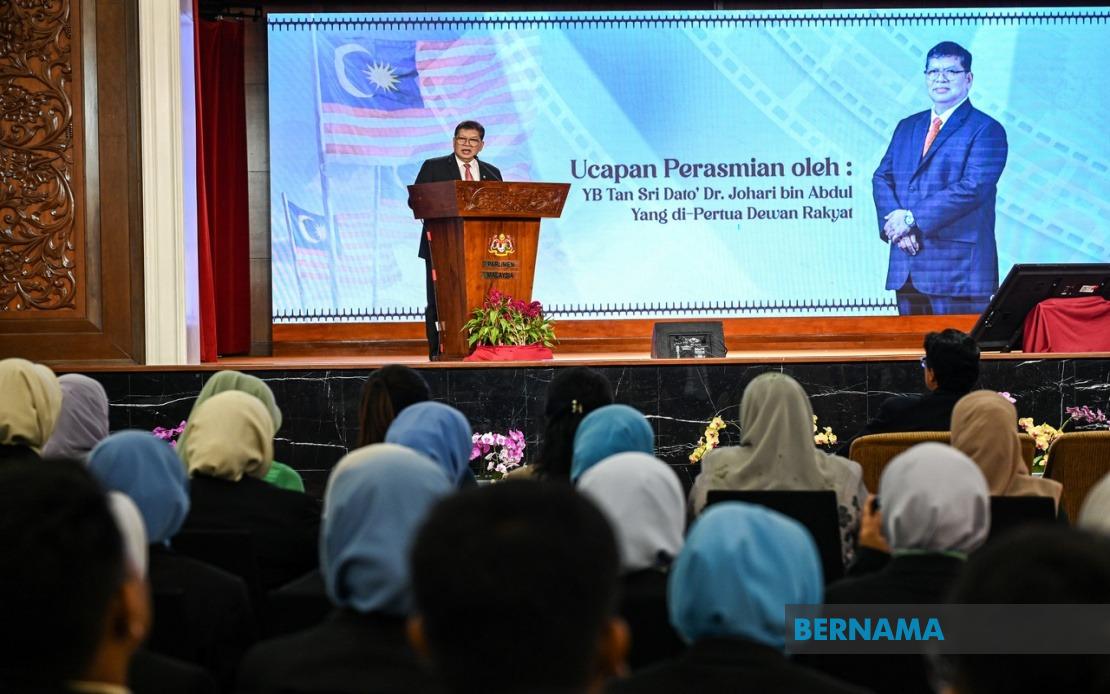
Parliament has launched a short film called "Arkitek Bangsa" with the explicit aim of cultivating leadership qualities and deepening patriotic sentiment among Malaysia's young people. The initiative reflects a strategic effort by the legislative body to shape the next generation of nation-builders through multimedia engagement, moving beyond traditional civic education approaches. The film's release follows a special screening at the Parliament Building on July 16, where senior officials outlined the broader vision underpinning the project.
Parliament Speaker Johari underscored that young Malaysians possess untapped potential to become architects of national progress, provided they receive adequate exposure, mentorship, and structured development opportunities. He emphasised that leadership is neither an innate trait nor a birthright, but rather a skill set that emerges through deliberate cultivation and continuous learning. This framing challenges common misconceptions that only certain individuals are destined for leadership roles, instead positioning it as an attainable aspiration for any committed youth who pursues it earnestly. The philosophy reflects broader educational thinking across Southeast Asia about democratising access to leadership development and moving away from hierarchical models that reserve such opportunities for privileged cohorts.
The film initiative complements an expanding ecosystem of youth engagement programmes administered through Parliament. The Parliament School Programme has already facilitated visits by 1,057 schools, allowing students direct exposure to the workings of democratic institutions and the legislative process. This hands-on approach to civic learning helps demystify governance structures and enables young people to understand how policy decisions affect their lives and communities. Such programmes are particularly valuable in a Malaysian context where civic participation among youth remains unevenly distributed across socioeconomic and geographic lines.
Parliament has also strengthened the Youth Parliament programme through structural reforms designed to enhance representation and inclusivity. The membership has been expanded from 100 to 222 participants, significantly broadening the opportunity base for youth engagement. Alongside this expansion, officials introduced a proportional representation electoral system, a move that could ensure more equitable geographic and demographic representation within the youth legislative body. Such reforms signal recognition that authentic participation requires not just seat availability but also fair mechanisms through which diverse youth can access those positions.
Engagement with the National Service Training Programme (PLKN) represents another dimension of Parliament's youth strategy. Through a dedicated select committee, the legislative body has woven itself into national service initiatives, positioning democratic education and parliamentary literacy as core components of mandatory military training. This integration means that all young Malaysians completing national service will gain exposure to parliamentary functions and civic responsibilities, creating a universal baseline of democratic awareness across generational cohorts.
Official messaging around the "Arkitek Bangsa" film emphasises the relationship between stewardship and national preservation. Johari highlighted a conceptual contrast between the extended timeframes required to construct national institutions and infrastructure versus the rapidity with which destructive forces can dismantle such achievements. This framing positions the youth as custodians of inherited national accomplishments rather than actors in a disconnected present. By encouraging young people to appreciate historical sacrifices and generational contributions, the initiative aims to cultivate a sense of obligation toward maintaining and improving the systems passed down to them.
The emotional and aspirational core of the campaign centres on fostering genuine affection for Malaysia as a homeland. Johari articulated a desired outcome wherein young citizens spontaneously express gratitude for their Malaysian nationality, moving beyond formal patriotism toward organic emotional identification with the nation. This psychological dimension recognises that sustained civic commitment typically flows from positive emotional attachment rather than enforced obligation or abstract principle alone. In a multicultural, multi-faith society like Malaysia, cultivating such inclusive national pride represents a nuanced policy challenge requiring careful messaging that celebrates shared identity without imposing uniformity.
The National Film Development Corporation Malaysia (FINAS) involvement ensures that the "Arkitek Bangsa" production meets professional filmmaking standards capable of genuinely engaging contemporary youth audiences. Rather than didactic propaganda, the film aims to function as compelling content that naturally resonates with younger viewers accustomed to high-production-value media. This approach acknowledges that effective messaging to digital-native generations requires entertainment value alongside substantive messaging, a recognition that traditional lecturing methodologies often fail to capture youth attention or inspire sustained behavioural change.
Parliament intends for the film to circulate widely across government ministries and agencies involved in nation-building initiatives, extending its reach far beyond Parliament itself. This distribution strategy recognises that no single institution can monopolise youth development, and that coordinated messaging across multiple government touchpoints amplifies impact. Youth encounter state institutions through education, military service, employment training, and social programmes, creating multiple opportunities for reinforcing leadership messages and patriotic values through consistent, coordinated content.
The initiative arrives during a period of documented youth disengagement from traditional political institutions across the region. Malaysia's younger demographics increasingly express scepticism toward government institutions, political parties, and conventional civic participation mechanisms. By investing in film, expanded parliamentary access, youth representation reform, and integration with national service, Parliament signals awareness that retaining generational buy-in requires proactive investment in engagement rather than passive assumption that youth will naturally value democratic institutions. Whether such interventions can meaningfully shift generational attitudes toward governance institutions and national identity remains an open question requiring longitudinal assessment.
The broader context involves questions about whether youth leadership development investments yield measurable improvements in civic participation, political efficacy beliefs, and institutional trust among younger Malaysians. While the intentions underlying "Arkitek Bangsa" and complementary programmes appear sound and well-intentioned, their actual impact on youth consciousness and behaviour patterns will depend on implementation fidelity, reach across diverse youth populations, and integration with educational curricula and social messaging beyond Parliament's direct control.

