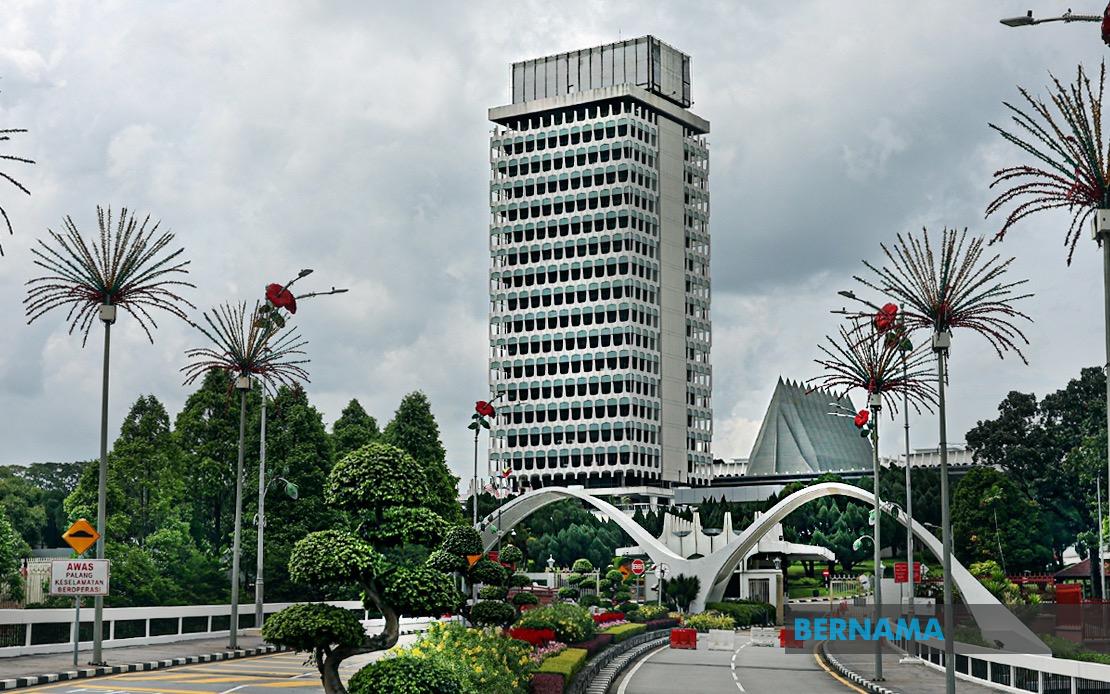
The Road Transport Amendment Bill 2026 emerged as the sole legislative success from Parliament's inaugural week of sitting, marking a measured start to the Second Meeting of the Fifth Session of the 15th Dewan Rakyat. Transport Minister Anthony Loke framed the legislation as a significant stride in combating illegal racing by introducing new enforcement provisions that address a persistent gap in the nation's regulatory framework.
The amendment introduces Section 42A, enabling authorities to pursue enforcement actions against illegal racing without waiting for accidents, injuries, or fatalities to materialise. This procedural shift proves consequential because it eliminates a troublesome legal loophole that previously constrained law enforcement. Under existing arrangements, authorities faced considerable difficulties establishing prosecution cases, as they were forced to demonstrate elements of danger or prove actual harm had already occurred. By allowing preemptive action, the amendment grants enforcement bodies more immediate tools to suppress street racing before consequences become irreversible.
Lok indicated his ministry has further reforms in the pipeline. A subsequent amendment to the Road Transport Act will establish compensation mechanisms for accident victims and their families when incidents result from drink- or drug-impaired driving, operating alongside existing criminal sanctions of fines and imprisonment. This two-pronged approach reflects growing recognition that compensation frameworks merit equal prominence alongside punitive measures in road safety policy.
The Parliamentary agenda encountered unexpected delays when the Prison Amendment Bill 2026 faced deferral back to the Parliamentary Select Committee for additional scrutiny. The legislation initially sought to authorise electronic monitoring technologies for prisoner supervision and formalise volunteer participation in rehabilitation schemes. Such postponements, whilst occasionally frustrating, permit legislators to resolve technical issues before finalising text. Several other bills proceeded to first reading: the Sexual Offences Against Children Amendment Act 2026, Competition Amendment Bill 2026, Competition Commission Amendment Bill 2026, and the Cybercrime Act 2026, which proposes repealing the Computer Crimes Act 1997.
Beyond legislation, institutional adjustments marked the parliamentary opening. Dewan Rakyat Speaker Tan Sri Johari Abdul confirmed that Larut Member of Parliament Datuk Seri Hamzah Zainudin has resumed his position as opposition leader effective June 18. The Speaker simultaneously acknowledged casual vacancies arising from the May 18 resignations of Datuk Seri Rafizi Ramli and Nik Nazmi Nik Ahmad from the Pandan and Setiawangsa constituencies respectively. The Election Commission received formal notification, complying with constitutional procedures for seat vacancy management.
Parliamentary business reflected operational flexibility when Minister's Question Time, traditionally channelled through the Prime Minister on Tuesdays and Thursdays, devolved to sector-specific ministers as Datuk Seri Anwar Ibrahim managed competing engagements. This substitution arrangement demonstrates how Parliament accommodates executive schedules whilst maintaining accountability mechanisms. Concurrently, Parliamentary Select Committees received dedicated platform time for presenting and debating investigative reports, reinforcing Parliament's institutional commitment to expanding committee prominence within the legislature's functioning.
Employment emerged as an immediate concern when Human Resources Minister Datuk Seri R. Ramanan disclosed that 42,807 workers experienced retrenchment between January and June 12. Company closures and workforce downsizing constituted the principal culprits behind these separations. Yet Economy Minister Akmal Nasrullah Mohd Nasir offered counterbalancing perspective, characterising the labour market as maintaining underlying resilience. Job losses declined by 20 per cent in June relative to May, whilst the labour force participation rate stabilised at 70.9 per cent. This divergence between headline retrenchment numbers and broader labour market indicators suggests the employment landscape experiences simultaneous sectoral turbulence and underlying stability.
Border security garnered heightened parliamentary attention as Home Minister Datuk Seri Saifuddin Nasution Ismail announced government approval for RM22 million in funding destined for the Malaysia Border Control and Protection Agency. These resources will furnish the agency with firearms and associated essential equipment, reflecting escalating security imperatives along Malaysia's international frontiers. For Southeast Asian nations managing porous borders and transnational security challenges, such capital allocation signifies strategic prioritisation of territorial integrity and customs enforcement capacity.
Commodities policy discussions revealed tensions between environmental objectives and economic feasibility. The Ministry of Plantation and Commodities indicated it would examine whether implementing B50 biodiesel—a fifty per cent biodiesel blend—remains economically sustainable given that existing blending infrastructure would require substantial capital upgrades. This deliberation encapsulates broader tensions in pursuing renewable fuel transitions whilst managing retrofitting costs for petroleum distribution networks.
Digital regulation advanced meaningfully when Communications Minister Datuk Fahmi Fadzil outlined implementation of the Child Protection Code and Risk Mitigation Code effective June 1. These regulatory instruments mandate social media platforms implement age-verification mechanisms protecting minors from digital harms. Platforms declining compliance face potential penalties reaching RM10 million pursuant to the Online Safety Act 2025. Such enforcement architecture reflects international regulatory trends emphasising platform accountability for child protection, positioning Malaysia amongst jurisdictions imposing substantive financial consequences for non-compliance.
Parliamentary discourse this week concentrated on unemployment trajectories, global energy supply disruptions, online safety frameworks, and border security modernisation. These thematic emphases reveal legislative priorities balancing labour market management, environmental transitions, child welfare protection, and territorial security. The 16-day sitting extending from June 22 through July 16 provides ample opportunity for deeper legislative engagement beyond the opening week's measured pace.

