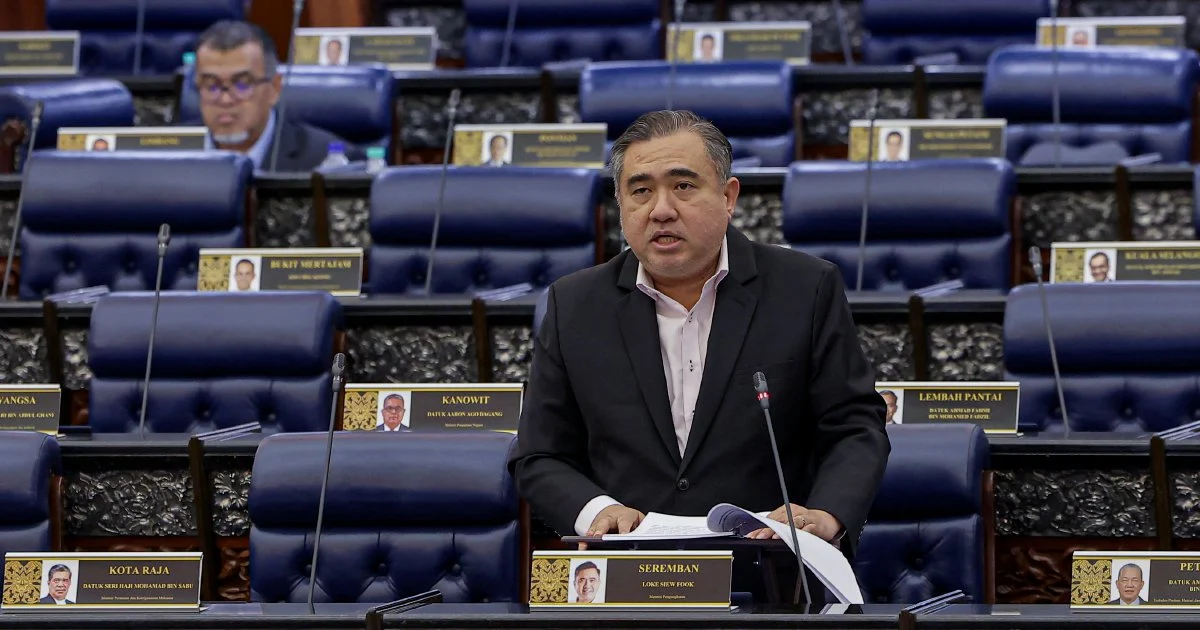
Malaysia's legislative chamber has given its approval to the Road Transport (Amendment) Act 2026, a significant step forward in modernizing the country's regulatory framework for ground transportation. The passage of this legislation in the Dewan Rakyat represents a culmination of efforts to equip authorities with more robust mechanisms for overseeing and enforcing compliance within the transportation sector, which has become increasingly complex as vehicle ownership and road usage continue to expand across the nation.
The amendment builds upon the foundational Road Transport Act 1987, a statute that has governed Malaysia's transportation landscape for nearly four decades. While the original legislation established the basic framework for vehicle registration, licensing, and conduct on public roads, the transport sector has undergone dramatic changes since its enactment. The proliferation of commercial ride-sharing services, the rise of e-commerce logistics requiring extensive fleets, and the growing integration of technology into vehicles have all exposed gaps in the existing regulatory structure that this amendment seeks to address.
Under the enhanced provisions, regulators will possess strengthened tools to enforce compliance standards and maintain order on Malaysian roads. These expanded powers are expected to encompass more comprehensive oversight mechanisms, allowing authorities to respond more effectively to emerging challenges in transportation. The specifics of these enhanced powers suggest a move toward more proactive regulation rather than reactive enforcement, enabling the authorities to address systemic issues before they escalate into broader public safety concerns.
For Malaysia's Road Transport Department and related agencies, this amendment represents recognition that modern transportation requires dynamic regulatory responses. The legislation essentially grants these bodies the flexibility to adapt their enforcement approaches as new mobility models emerge. This is particularly relevant for Malaysia, where the sharing economy and digital platforms have disrupted traditional transport business models, creating regulatory grey areas that have challenged authorities in neighboring jurisdictions as well.
The timing of this amendment carries particular significance for Southeast Asia, where road safety remains a persistent challenge. According to regional data, Malaysia has been working to improve its road safety performance, and enhanced regulatory powers could contribute meaningfully to this objective. By strengthening the enforcement arsenal available to authorities, the legislation potentially enables more effective targeting of traffic violations, unsafe vehicle conditions, and non-compliant operators that contribute to accident statistics across the nation.
From a commercial perspective, the amendment may influence how transport operators—from taxi services to logistics companies to ride-sharing platforms—conduct their operations. Businesses that rely on road transportation will need to ensure heightened compliance with whatever new standards or procedures emerge under the enhanced regulatory framework. This could drive operational costs in the short term, but proponents argue that improved road safety and more orderly transportation systems ultimately benefit the entire sector through reduced accidents and disruptions.
The amendment's passage also reflects broader global trends toward tightening transportation regulations. Countries across Asia and beyond have been strengthening their oversight of the transportation sector in response to public safety concerns, technological disruption, and the need for better traffic management in congested urban areas. Malaysia's move aligns it with international best practices while addressing specifically local transportation challenges.
For ordinary Malaysians, the practical implications remain to be seen once implementation mechanisms are detailed. The enhanced regulatory powers could translate into stricter enforcement of existing traffic laws, more rigorous vehicle inspection standards, or new requirements for transportation services. Commuters may experience improved road safety, though some might also encounter more frequent enforcement activities or compliance requirements for drivers and operators.
The legislative process leading to this amendment suggests substantial cross-party consensus on the need for stronger transportation oversight. This political alignment indicates recognition across the spectrum that Malaysia's transportation regulatory framework required updating to remain relevant and effective. The amendment process itself likely involved extensive consultation with transport operators, safety advocates, and enforcement agencies.
Looking forward, the implementation phase will be critical in determining whether the enhanced powers translate into meaningful improvements in road safety and transportation efficiency. Authorities will need to develop detailed regulations and guidelines explaining how the new powers will be exercised. Training and resource allocation will also be necessary to ensure enforcement agencies can effectively utilize the expanded regulatory toolkit.
The amendment also positions Malaysia to better manage future transportation disruptions, whether from autonomous vehicles, further expansion of ride-sharing models, or other innovations not yet fully anticipated. By building flexibility into the regulatory framework, policymakers have created a structure that can adapt as transport technology and business models continue to evolve.