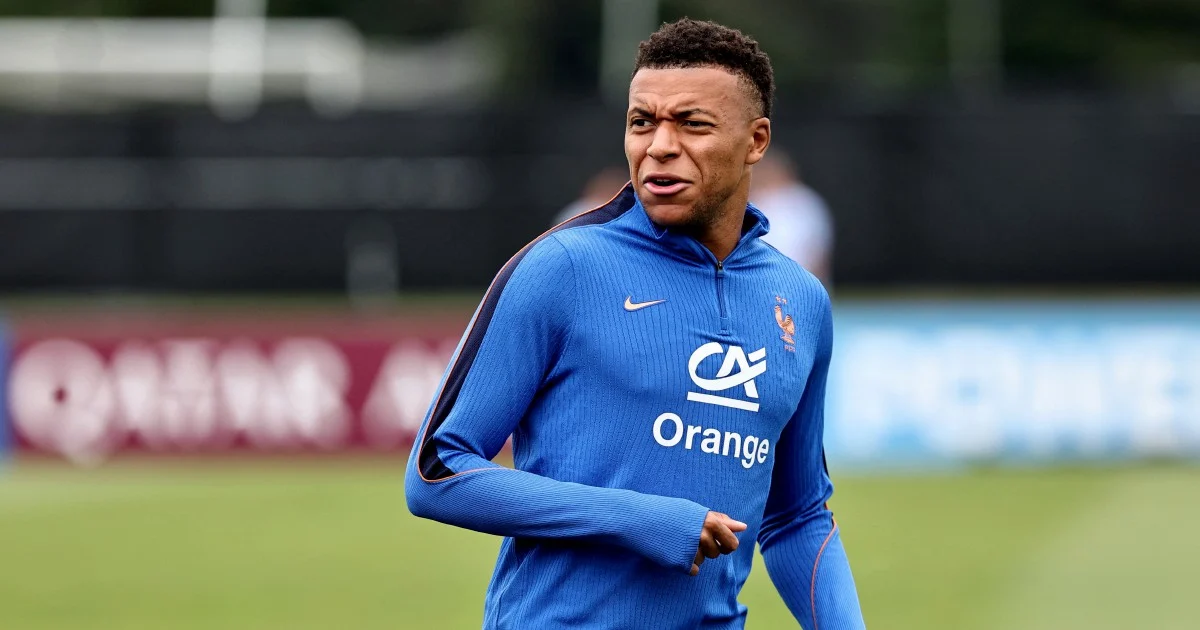
French prosecutors in Paris have initiated a formal investigation into remarks made by a Paraguayan legislator concerning Kylian Mbappé, the captain of the French national football team. The decision, announced by the Paris public prosecutor's office on Tuesday, underscores the intensity of public attention surrounding one of world football's most prominent figures and the serious view taken by French authorities toward statements made about him across international platforms.
The move represents an unusual intersection of diplomatic relations, sports celebrity, and legal accountability. While global media regularly covers football personalities and their activities generate substantial discourse across social platforms, formal prosecutorial investigations triggered by overseas political figures remain relatively rare. The decision signals that French authorities regard whatever statements were made sufficiently serious to warrant formal scrutiny and potential legal consequences, reflecting the protective stance many nations now take toward their high-profile citizens.
Mbappé's prominence extends far beyond sporting achievement. As captain of France's national team and a player whose marketability and influence span continents, his status attracts attention from diverse quarters, including political figures. His commercial value, estimated in hundreds of millions of dollars, and his role as an ambassador for French culture and achievement internationally make him a figure of significant national importance to the French state.
The involvement of a Paraguayan lawmaker adds a geopolitical dimension to what might otherwise remain a matter of social media controversy. Paraguay, a South American nation with limited direct connections to European football governance or French political interests, typically maintains considerable distance from European affairs. The fact that statements originating from Asunción attracted prosecution in Paris suggests either particularly inflammatory language or an assumption of deliberate harm that justified cross-border legal action.
This development carries implications for Southeast Asian observers and Malaysian media professionals in particular. The precedent established by French authorities extending prosecutorial reach to statements made by foreign legislators raises questions about where national authorities draw boundaries around protecting citizens from international criticism. In an increasingly interconnected world where Malaysian politicians, business figures, and celebrities likewise face commentary from abroad, the parameters of acceptable international discourse merit careful consideration.
The investigation also reflects broader tensions between freedom of expression and protection from defamatory or harmful statements. Many democracies maintain legal frameworks permitting prosecution of false statements causing reputational damage, yet enforcement across national boundaries remains contentious. The Paris prosecutor's decision suggests French law extends to conduct originating overseas when it targets French citizens or interests, a jurisdictional approach with potential ramifications for how Malaysian officials and courts might assess their own enforcement authority.
Mbappé himself remains one of global sport's most scrutinised personalities. His transfer history, contract negotiations, and on-field performance generate constant international commentary. The apparent need for prosecutorial intervention suggests the Paraguayan lawmaker's remarks ventured beyond typical sports analysis into territory authorities deemed legally actionable, whether through allegations of falsehood, defamation, or other specified offences.
The investigation's timing and scope remain partially unclear from initial reporting. French prosecutors typically pursue investigations following complaint submission, suggesting either the Mbappé camp, the French football federation, or relevant state authorities initiated formal procedures. The decision to proceed publicly, announcing the inquiry rather than conducting it discreetly, suggests authorities view the matter as one warranting public awareness and potential deterrent effect on similar future remarks.
For Malaysian journalists and media organisations, this incident provides instructive lessons about international legal exposure. As digital publishing increasingly reaches global audiences, statements published in Malaysia may attract legal attention from foreign jurisdictions if they concern foreign nationals or entities viewing themselves as wronged by published content. Understanding which nations actively pursue cross-border defamation claims or hate speech prosecutions becomes increasingly important for editorial decision-making and risk assessment.
The investigation reflects evolving international norms around celebrity protection and state interest in safeguarding national figures' reputations. While Mbappé's extraordinary public profile justifies heightened protective measures in some contexts, the precedent of prosecuting foreign legislators' remarks raises legitimate questions about proportionality and the appropriate boundaries between legitimate political discourse and actionable legal violations.
Paraguay and France maintain normal diplomatic relations without significant ongoing disputes, suggesting the investigation represents a narrow response to specific statements rather than broader geopolitical tension. Nevertheless, the Paraguayan government and legislature may view prosecutorial action against one of their members with some concern, potentially affecting bilateral relations or broader South American-European dialogue.
As the investigation proceeds, observers across Southeast Asia and beyond will monitor whether French authorities press charges, what specific legal provisions they invoke, and whether conviction results. The outcome will significantly influence how other nations' authorities assess their own jurisdiction over international statements affecting their prominent citizens and shape understanding of permissible speech in our globally connected media environment.

