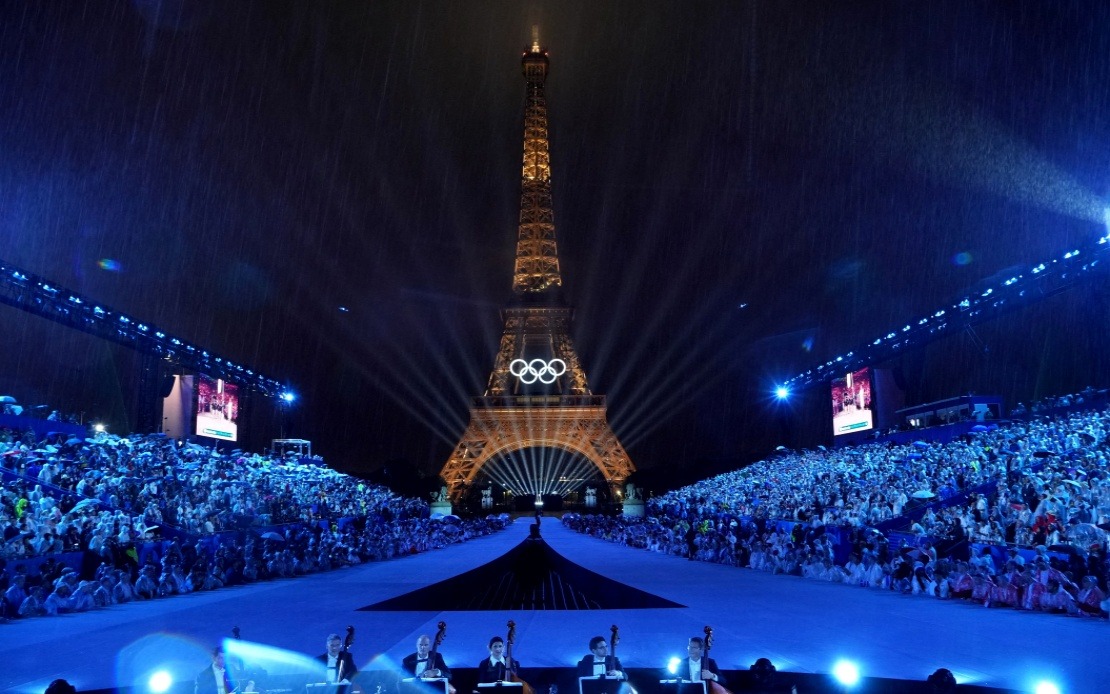
Paris has taken the dramatic step of closing two of its most visited tourist attractions ahead of schedule as an intense heatwave threatens to overwhelm the French capital. The Eiffel Tower, which welcomes millions of visitors annually, shut its doors at 4:00 pm on Tuesday rather than operating until its standard closing time, marking an unusual disruption to one of Europe's most reliable tourist draws. This decision underscores the severity of the weather emergency facing France and raises questions about how major public facilities will adapt to increasingly extreme temperatures in the coming years.
The operating authority for the Eiffel Tower, Sete (Societe d'Exploitation de la tour Eiffel), justified the premature closure on safety grounds, acknowledging that staff and visitor wellbeing must take precedence over normal business operations. The final entry point for the monument occurred at 12:15 pm, with visitors attempting to access the stairs from 11:30 am onwards or the lifts from noon onwards granted automatic refunds for their tickets. This administrative accommodation aims to prevent financial loss for tourists who had planned their itineraries around standard operating hours, though it also signals broader disruptions to the tourism sector across France.
The Louvre Museum, another global cultural institution, announced a similar adjustment to its schedule. From June 24 through June 27, the world's most visited art museum will close at 4:00 pm instead of its customary 6:00 pm closing time. This represents an extraordinary measure for an institution renowned for maintaining consistent public access to its vast collections. The coordinated action by France's two most iconic attractions demonstrates that heatwave protocols now extend beyond individual venues to encompass the nation's broader cultural infrastructure.
Meteo-France, the national weather authority, confirmed that temperatures across Paris reached 36 degrees Celsius by mid-afternoon on Tuesday, with projections suggesting Wednesday could see highs of 38 degrees Celsius. Such temperatures pose genuine occupational hazards within stone buildings that lack modern air conditioning and attract crowds in enclosed spaces like stairwells and narrow museum galleries. For tourists accustomed to moderate European summers, these conditions represent a sharp departure from typical seasonal expectations and demand unprecedented flexibility in travel planning.
The geographic scope of the heatwave extends far beyond Paris. Meteo-France placed 54 departments across metropolitan France under red alert status—the highest level in the national warning system—on Tuesday, while an additional 35 departments received orange alert designations. This classification indicates that nearly two-thirds of France's administrative divisions face dangerous heat conditions simultaneously, a situation that strains emergency services, healthcare systems, and municipal resources throughout the country. The sheer scale of the alert coverage suggests that temperature extremes previously considered rare have become sufficiently common to warrant comprehensive national response mechanisms.
The timing of this heatwave carries particular significance for France's summer tourism season. June and July represent peak travel months for international visitors to Paris and other French destinations, meaning that thousands of tourists must suddenly revise their schedules and expectations. Hotels, restaurants, and transportation networks throughout the region face unprecedented demand as visitors seek refuge indoors during the hottest hours. This disruption to normal tourism patterns has economic implications that ripple through local businesses dependent on the predictable flow of summer travelers.
For Malaysian and Southeast Asian visitors planning trips to Europe, this situation highlights how climate volatility now affects major attractions that previously operated under predictable schedules. Prospective travelers should research real-time conditions before booking time-sensitive activities and consider purchasing flexible travel insurance that accounts for weather-related cancellations. The closure of flagship attractions, however temporary, demonstrates that even world-renowned destinations may impose unexpected operating changes during extreme weather events.
The broader context of these closures relates to long-term climate patterns affecting Europe. France has experienced increasingly frequent and intense heatwaves over the past decade, and meteorological forecasts suggest that such events will continue intensifying. European cities built primarily before modern air conditioning became standard now face structural and logistical challenges when temperatures exceed design parameters. The Eiffel Tower and Louvre, constructed in the 19th century, lack the climate control systems typical of contemporary buildings, making them particularly vulnerable to heat-related shutdowns.
Occupational safety concerns extend beyond visitor discomfort to genuine health risks for museum and monument staff. Workers confined to poorly ventilated spaces during extreme heat face elevated risks of heat exhaustion and related medical emergencies. By closing early, French attraction operators acknowledge their responsibility to prevent workplace injuries and acknowledge that public health must supersede revenue considerations during genuine crises. This principle, though sometimes controversial in labor relations, reflects evolving standards regarding employer obligations during climate emergencies.
The response mechanisms implemented by Paris attractions also illustrate how institutions globally may need to adapt operational models to accommodate climate volatility. Future planning for major public facilities increasingly incorporates heat mitigation strategies, whether through improved ventilation systems, modified scheduling, or investment in modern climate control technologies. The Eiffel Tower and Louvre closures serve as visible reminders that even established institutions must innovate operationally to maintain public safety in an era of climatic unpredictability.
Tourists currently in Paris during this heatwave period should monitor official announcements from attraction websites and local tourism authorities for updates on extended closures or modified hours. Visitors already holding tickets for the period covered by early closures have straightforward refund processes, though replacing disrupted itineraries can complicate vacation plans. The incident underscores how climate factors increasingly influence travel logistics in ways that transcend traditional travel planning considerations.