The annual migration of fashion's elite to Paris for Couture Week represents one of the industry's most meticulously choreographed moments, where every sartorial choice carries symbolic weight. This season, however, the carefully curated spectacle unfolded under extraordinary meteorological pressure, as sweltering temperatures swept across the French capital and tested the creative boundaries of the world's most celebrated stylists and their high-profile clients. The collision between the rigid expectations of haute couture—traditionally associated with structured elegance and layered complexity—and the urgent physical reality of oppressive heat created an unexpectedly revealing window into how contemporary fashion responds to environmental extremes.
The heatwave arrived as Paris menswear fashion week was already concluding, having already subjected male attendees and performers to similarly punishing conditions. By the time couture collections took centre stage, meteorologists warned that temperatures would show no mercy. This weather pattern forced an unusual reckoning with the fundamental purpose of clothing itself: protection and comfort suddenly competed directly with prestige and visual drama in ways that luxury fashion rarely permits. Rather than retreating to air-conditioned comfort, however, the assembled stars and industry figures transformed the challenge into an unexpected creative opportunity, demonstrating that high fashion remains remarkably adaptive when circumstances demand innovation.
One of the most intriguing solutions emerged from the styling choices of those seeking subtle interventions. Songwriter Ejae, for instance, was observed carrying a simple black folding fan that seamlessly integrated with her overall aesthetic, suggesting that sometimes the most elegant response to environmental stress involves ancient solutions refined through contemporary design sensibility. This approach acknowledged physical reality without surrendering to purely functional dressing, maintaining the coded language of luxury fashion while attending to actual bodily needs. The fan became not merely a tool but a fashion statement, a minor accessory that somehow elevated rather than diminished her presence.
Among male attendees, a pronounced shift toward relaxed tailoring dominated the proceedings. Oversized suiting, exemplified by figures including Bad Bunny and Hudson Williams, replaced the form-fitting precision traditionally associated with couture presentations. These looser silhouettes offered obvious practical advantages while simultaneously capturing a broader industry movement toward comfortable menswear. Many stylists made the deliberate choice to leave shirts unbuttoned or omitted altogether, creating visual breathing room and reducing the cumulative thermal burden of formal dressing. Lighter colour palettes—creams, soft greys, and pale neutrals—replaced the darker tones typically favoured at high-fashion events, a calculated decision that reflected both immediate environmental necessity and emerging aesthetic preferences.
For female attendees, the heat catalysed a widespread embrace of exposed shoulders and décolletage, though framing this purely as an intentional style choice obscures the underlying logic. The practical removal of shoulder coverage and upper-body layering translated into remarkable visual coherence across multiple attendees, creating an accidental uniform born from shared environmental pressure rather than deliberate coordination. Tan Sri Michelle Yeoh exemplified this tendency, arriving in a restrained black design that achieved elegance precisely through its simplicity and minimal coverage. The exposed shoulder became almost universal, a democratising response that transcended typical status hierarchies within the fashion hierarchy.
The sundress and its haute couture interpretations emerged as perhaps the most significant silhouette of the week. Rather than the ornate, heavily constructed evening wear typically associated with Paris Couture Week, flowing dresses in lightweight materials offered grace and breathability without sacrificing the aspirational glamour essential to the occasion. Priyanka Chopra's choice of a scalloped gown captured this mood perfectly, suggesting that luxury need not mean density, weight, or visual heaviness. The silhouette referenced understated elegance while permitting air circulation and reducing physical strain, a pragmatic solution that simultaneously satisfied aesthetic requirements and climatic realities.
Fabric selection revealed sophisticated understanding among designers and stylists of how material properties could serve dual purposes. Silk and silk-adjacent textiles dominated the week, chosen for their inherent luxury but also for their temperature-regulating properties and breathability. Shorter hemlines became increasingly prevalent, not as a radical statement but as a logical response to heat, offering enhanced freedom of movement and ventilation while maintaining the structured elegance expected at couture presentations. These choices demonstrated that luxury fashion functions best when it remains responsive to context rather than rigidly adhering to inherited codes.
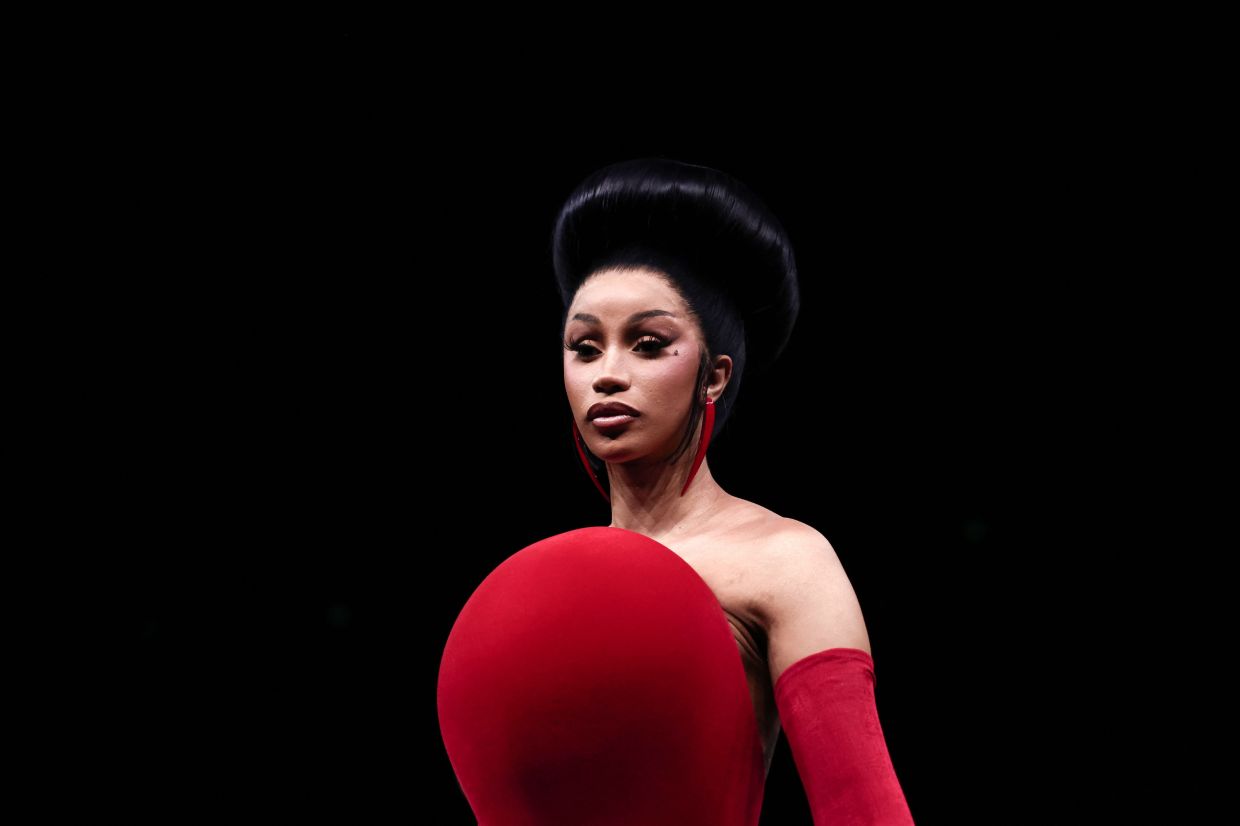
The notable exception that proved the rule was rapper Cardi B, whose commitment to sculptural, exceptionally fitted silhouettes represented a deliberate rejection of the week's prevailing practical consensus. Her avant-garde approach prioritised visual spectacle and theatrical presence over comfort, suggesting that fashion's most celebrated provocateurs remain willing to sacrifice bodily ease for impact. This choice highlighted an important tension within contemporary fashion discourse: whether clothing exists primarily to serve the wearer's comfort or to generate visual drama and media attention. Her refusal to adjust to environmental conditions stood in sharp contrast to the broader trend, underscoring that even widespread practical imperatives cannot entirely override individual artistic vision within fashion's upper echelons.
The broader implications of Paris Couture Week's heat-driven styling evolution extend beyond immediate meteorological response. As Southeast Asian fashion capitals including Kuala Lumpur, Bangkok, and Singapore grapple with chronically high temperatures, the strategies deployed by international attendees at Paris suggest frameworks for reconsidering how luxury fashion functions in perpetually warm climates. Traditionally, tropical fashion has occupied a subordinate position within global fashion hierarchies, often characterised as resort wear or summer alternatives rather than genuine couture. The Paris example, however, demonstrates that sophisticated style need not depend on cooler conditions or heavier materials, potentially elevating the cultural status of warm-weather dressing across Asia.
The environmental conditions at Paris Couture Week also raise subtle questions about the future of fashion events themselves. As climate volatility increases and heatwaves become more frequent across Europe, the industry faces mounting pressure to reconsider traditional timing, location, and format of major presentations. The week's success in absorbing extreme heat without collapsing suggests resilience, yet simultaneously reveals the strain created when weather exceeds design parameters. For Malaysian observers, where tropical conditions are the permanent baseline rather than an aberration, the international fashion industry's struggle with heat carries an ironic resonance, suggesting that established fashion centres may increasingly look toward tropical expertise as climate conditions shift globally.
Ultimately, Paris Couture Week's response to exceptional heat demonstrates fashion's fundamental adaptability when necessity demands. Rather than retreating into historical precedent or insisting on traditional presentation formats, designers and attendees collectively reimagined what couture could mean under challenging circumstances. The resulting aesthetic—lighter, more breathable, less constrictively layered—suggested that elegance and comfort need not exist in perpetual opposition. This evolution, while born from immediate environmental response, potentially reshapes how luxury fashion conceptualises itself moving forward, particularly for global audiences in warmer climates who may finally see their own environmental realities validated within international fashion's highest circles.

