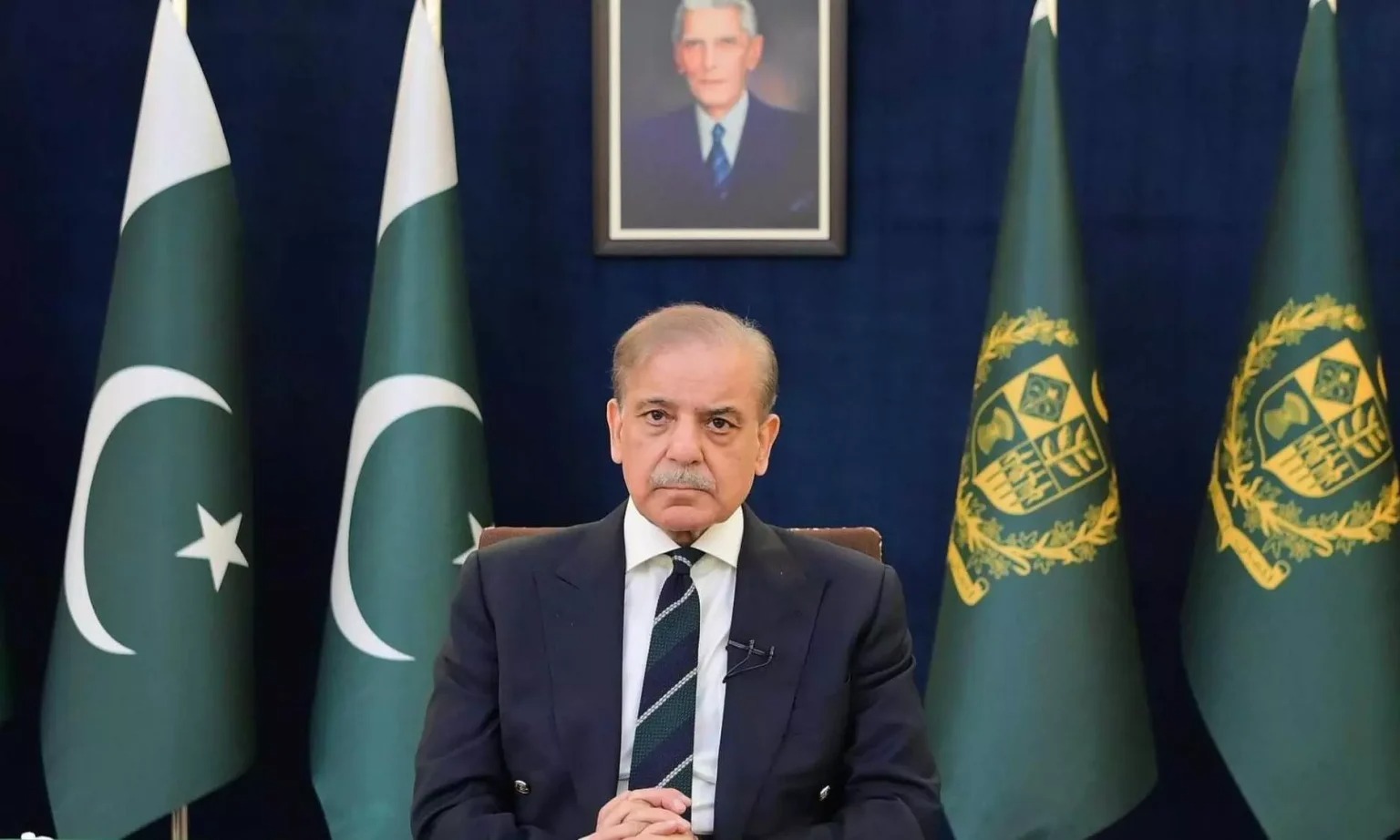
Pakistan Prime Minister Shehbaz Sharif will participate in the funeral service of Iran's Supreme Leader Ayatollah Ali Khamenei in Tehran on July 4, according to an announcement from Pakistan's Foreign Ministry. The attendance underscores the diplomatic importance Islamabad places on its relationship with Tehran, particularly during a period of significant transition in Iranian leadership. Foreign Ministry spokesman Tahir Andrabi disclosed the decision at a media briefing held in Islamabad on Thursday, framing Sharif's participation as a formal gesture of condolence from both the Pakistani government and its citizens to the Iranian leadership and bereaved family members.
The prime minister's three-day foreign engagement, scheduled from July 3 to 5, reflects a carefully choreographed diplomatic calendar that demonstrates Pakistan's strategic priorities in the region. Beyond the funeral rites in Tehran, Sharif will travel to Ankara at the invitation of Turkish President Recep Tayyip Erdogan to engage in substantive discussions on matters affecting bilateral relations and broader regional developments. This two-nation itinerary positions Pakistan as an active participant in Middle Eastern and West Asian diplomatic processes, signalling Islamabad's commitment to maintaining ties with influential regional powers.
Shahbaz Sharif's delegation composition underscores the high-level nature of Pakistan's representation at this significant event. Deputy Prime Minister and Foreign Minister Ishaq Dar will accompany the premier, along with several other cabinet-level officials. The inclusion of the foreign minister alongside the prime minister indicates that Pakistan intends to utilise the funeral gathering as an opportunity for bilateral consultations with Iranian officials and other visiting dignitaries. Such ministerial participation typically allows for substantive discussions on shared interests and potential areas of cooperation that extend beyond ceremonial proceedings.
India will maintain a lower diplomatic profile at the funeral, sending Bihar state governor Syed Ata Hasnain and deputy foreign minister Pabitra Margherita to represent New Delhi's government. This contrasting level of representation reflects the different geopolitical calculations and diplomatic relationships that India and Pakistan maintain with Iran. While both nations maintain formal relations with Tehran, their strategic postures in the Middle East differ significantly, shaping how each country calibrates its official presence at major Iranian state events.
The timing of Sharif's trip comes at a consequential moment for Iran's internal political transition. The death of Supreme Leader Khamenei marks a pivotal juncture in Iranian governance, with implications that extend beyond Tehran's borders. Countries like Pakistan, which share a significant border with Iran and maintain substantial trade relationships, have strategic interests in ensuring stability in their neighbour's leadership transition. Pakistan's high-level representation signals that Islamabad hopes to work constructively with whoever emerges as Iran's next supreme leader.
Pakistan-Iran relations have historically been complex, characterised by periods of cooperation and tension. The two nations share cultural and religious ties, with millions of Pakistani Shias maintaining close spiritual connections to Iranian religious authorities. Economically, Iran represents both a significant trading partner and an energy supplier for Pakistan. However, security concerns stemming from militant groups operating across their shared border have occasionally strained relations. By sending its prime minister to this state funeral, Pakistan reaffirms its commitment to maintaining and strengthening ties with Iran despite these periodic challenges.
The inclusion of the Turkish leg in Sharif's itinerary demonstrates Pakistan's commitment to maintaining robust partnerships across the Muslim world and West Asia. Ankara and Islamabad have developed increasingly close military and strategic partnerships in recent years, collaborating on defence matters and regional security issues. President Erdogan's invitation provides an opportunity for the Pakistani leadership to discuss matters of mutual concern, potentially including developments in Afghanistan, regional economic integration, and shared security threats.
For Malaysian and Southeast Asian observers, Pakistan's diplomatic manoeuvres offer insights into how regional powers navigate complex geopolitical relationships. The funeral of a major leader like Ayatollah Khamenei attracts global attention and draws diplomatic representatives from across the world. Pakistan's decision to send its prime minister reflects the calculation that the benefits of visible solidarity with Iran outweigh any diplomatic costs. This approach mirrors how other regional powers calibrate their attendance and representation at significant state funerals and transition moments.
The broader context of Pakistan's foreign policy shows a nation actively engaged in regional diplomacy, attempting to balance relationships with multiple influential powers. Iran, Turkey, Saudi Arabia, China, and the United States all feature prominently in Islamabad's strategic calculations. Sharif's journey to Tehran and Ankara demonstrates this multifaceted approach, prioritising engagement with neighbours and allies while maintaining Pakistan's position as a significant regional actor capable of influencing developments across South Asia and West Asia.

