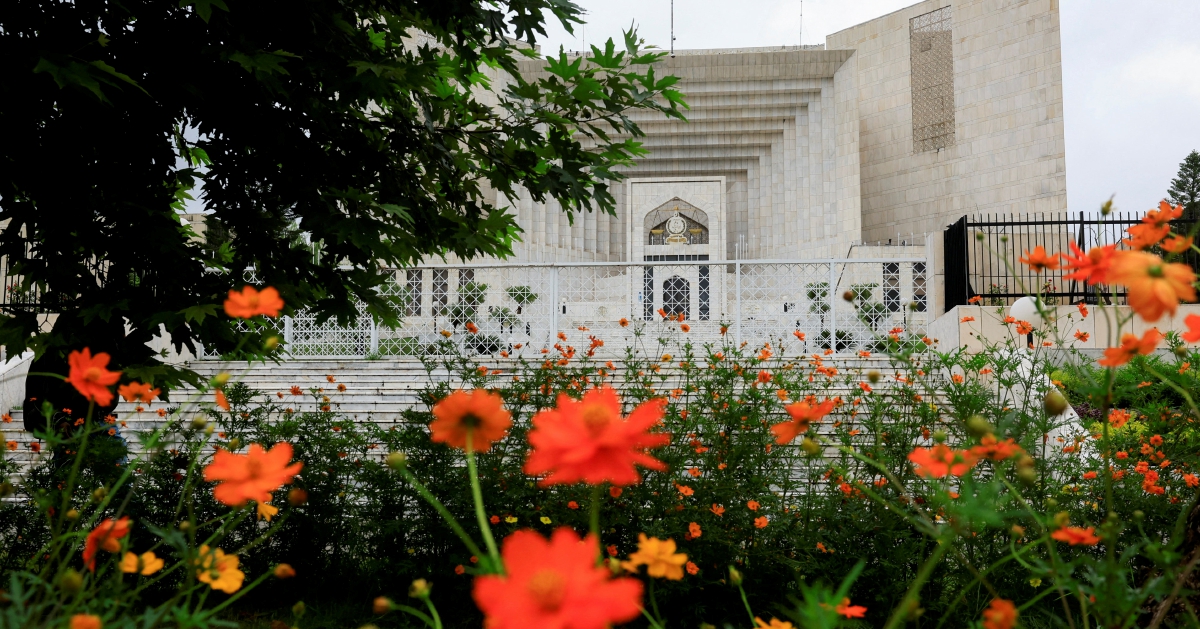
Pakistan's jailed former prime minister Imran Khan was transferred to a hospital early Friday following a directive from the country's Supreme Court, his political party announced. The move represents a rare intervention in the case of Khan, widely regarded as Pakistan's most popular political figure and leader of the Pakistan Tehreek-e-Insaf (PTI) party. The hospital transfer came after the court ordered medical evaluations, underscoring growing judicial scrutiny surrounding Khan's detention conditions and health status.
The Supreme Court's decision to order Khan's transfer appears to signal judicial concern about the former leader's welfare while imprisoned. Such interventions, though not uncommon in Pakistani jurisprudence, carry symbolic weight given Khan's prominence in national politics and the intense public attention surrounding his legal troubles. The hospital order suggests the court may be responding to health-related concerns raised either by Khan's legal representatives, his family, or medical professionals, though the exact grounds for the directive remain subject to interpretation.
Imran Khan's detention has become a focal point of political controversy within Pakistan for several months. As founder of PTI and former cricket star-turned-politician, Khan commands significant support across various demographic groups, making his legal situation a matter of broader national concern. His imprisonment has sparked accusations from supporters that he is being subjected to politically motivated prosecution, a charge the government has repeatedly dismissed while maintaining that Khan faces legitimate legal proceedings tied to multiple cases.
The timing of the Supreme Court order reflects the contentious nature of Khan's legal battles. Pakistan's judicial system has faced international scrutiny over concerns regarding due process and the treatment of detainees, and Khan's case has become emblematic of these broader questions. The hospital transfer, while potentially routine from a medical standpoint, carries political implications given the polarized environment surrounding his detention and the intense media coverage that such developments inevitably generate.
For Malaysian readers and Southeast Asian observers, Khan's situation illustrates the complex intersection of law, politics, and public opinion in Pakistan. The case demonstrates how judicial interventions, even when ostensibly apolitical, become entangled with broader political narratives. The Supreme Court's order may indicate either genuine medical necessity or judicial attempts to balance competing pressures—from those seeking Khan's release and those supporting his prosecution.
The Pakistan Tehreek-e-Insaf party has maintained that Khan faces politically motivated charges designed to sideline a major opposition voice. Khan himself has consistently denied wrongdoing across multiple cases against him. The party's quick announcement of the hospital transfer suggests efforts to maintain public engagement with his case and to frame any judicial action as validation of their position that Khan's detention raises legitimate concerns.
Pakistan's medical and judicial systems have long faced questions about detainee treatment, and hospital transfers of high-profile prisoners often trigger scrutiny regarding conditions in custodial facilities. Khan's move to hospital for medical tests may address specific health issues or represent standard procedural measures, but the public announcement and Supreme Court involvement elevate what might otherwise be routine medical care into a significant political development.
The broader context matters considerably here. Pakistan has experienced multiple transfers of power and constitutional crises in recent years, with military and civilian authorities alternating influence. Khan's rise from sports celebrity to political leader represented a significant shift in Pakistani politics, and his current legal troubles have reshaped the nation's political landscape. Any judicial action regarding his detention therefore reverberates through political circles and popular opinion.
The implications for regional observers extend beyond Pakistan's borders. South and Southeast Asian nations, including Malaysia, maintain interest in Pakistan's political stability and governance standards. Developments affecting major political figures like Khan influence international perceptions of Pakistan's commitment to democratic institutions and rule of law. The Supreme Court's intervention, whether viewed as protective or performative, contributes to global assessments of Pakistan's judicial independence and the treatment of political opponents.
Government officials have maintained that Khan's prosecution proceeds through proper legal channels and that no preferential treatment applies despite his political status. However, the frequency of court interventions and the intense political debate surrounding his cases continue to generate questions about whether his detention reflects genuine legal violations or represents punishment for his political opposition to current authorities. The hospital transfer, whatever its immediate medical justification, will likely fuel these ongoing discussions.
Looking forward, Khan's legal situation remains one of Pakistan's most closely watched cases. The Supreme Court's continued involvement suggests the judiciary retains some role in monitoring his treatment, though whether this reflects genuine independence or political calculation remains contested. For international observers, including those in Malaysia and across Southeast Asia, Khan's trajectory will continue demonstrating how political figures navigate legal systems in countries experiencing significant institutional tensions.

