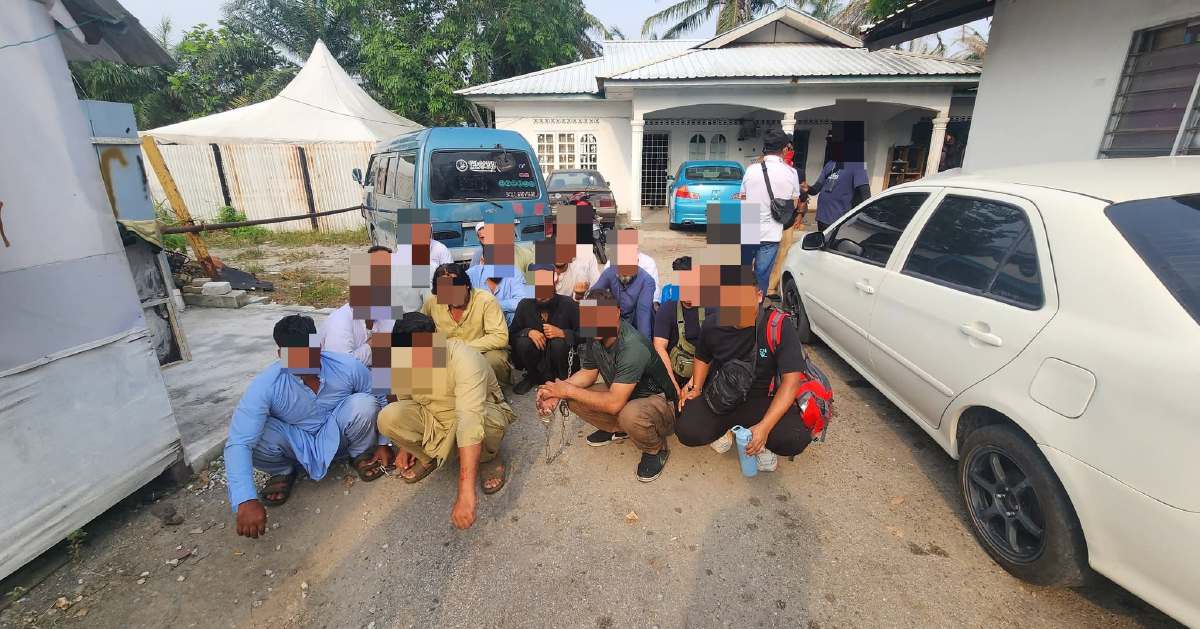
A sprawling operation devoted to the systematic theft and sale of vehicle components has been brought down by Malaysian authorities following an aggressive enforcement action in Klang. The Immigration Department announced yesterday that it has successfully dismantled the criminal syndicate with the arrest of 20 individuals, including the alleged foreign mastermind directing the enterprise. The coordinated raid targeted a location on Jalan Kapar in Klang, where investigators discovered evidence of large-scale vehicle dismantling and parts trafficking activities.
According to enforcement sources, the syndicate operated with a hierarchical structure typical of organised criminal networks engaged in automotive theft across Malaysia and the wider region. The arrested Pakistani national is believed to have overseen operations, coordinating the acquisition of vehicles destined for dismantling and managing the distribution of extracted parts through underground commercial channels. The remaining 19 suspects detained during the operation are alleged to have provided essential support across various operational stages, from vehicle acquisition to component cataloguing and sale.
The interdiction represents a significant achievement in combating vehicle-related crime that has long plagued Malaysian urban centres and port cities. Automotive theft and parts trafficking generate substantial illicit proceeds while feeding demand from unscrupulous workshops and unregistered repair operations across the region. Such enterprises typically target vehicles already compromised by insurance fraud schemes or previously involved in serious crimes, making them difficult for legitimate owners to trace or recover.
The Klang location's prominence in this case underscores the port town's significance as a logistics and commercial hub. The proximity to Port Klang, major highway networks, and industrial zones creates conditions favouring such smuggling operations. Criminal enterprises exploit these infrastructural advantages to move stolen and dismantled goods efficiently while maintaining operational security through the surrounding commercial activity that masks illicit transactions.
Vehicle parts trafficking carries particular concern for Malaysian law enforcement because it intersects with organised crime networks extending beyond national borders. The involvement of a Pakistani national suggests connections to transnational trafficking organisations that may coordinate thefts across multiple Southeast Asian jurisdictions, moving vehicles and components through established smuggling routes. Intelligence agencies regard such operations as distinctly more dangerous than opportunistic car thieves because they combine sophistication with substantial capital resources and international reach.
The operation's disruption will likely yield intelligence about broader trafficking networks still active in Malaysia. Authorities traditionally conduct intensive interrogations of detained suspects to map relationship networks, identify financial conduits, and locate warehousing locations elsewhere. Such intelligence frequently leads to secondary arrests and asset seizures weeks or months after initial enforcement action. The scope of the Klang syndicate suggests investigators may uncover significant documentation revealing customer relationships, purchase patterns, and distribution networks serving workshops throughout peninsular Malaysia.
For Malaysian vehicle owners, particularly those driving higher-value models and luxury brands, this development offers modest reassurance that authorities remain committed to disrupting organised theft. However, the persistence of such operations despite periodic enforcement actions indicates structural vulnerabilities in Malaysia's anti-theft framework. Professional thieves easily defeat modern security systems through technical expertise or corrupt access to dealership electronics. The ready market for stolen components among unregulated workshops ensures consistent demand regardless of law enforcement pressure.
The arrest sequence also highlights the Immigration Department's expanding investigative remit beyond traditional border security functions. Malaysian agencies increasingly recognise that document fraud, visa violations, and unlawful residence frequently accompany other serious crimes. Foreign nationals involved in organised crime often operate under false identities or irregular status, making immigration violations a practical enforcement avenue when traditional criminal investigation proves challenging.
Regional implications warrant consideration, particularly regarding transnational coordination between Southeast Asian police forces. Vehicle theft and parts trafficking represent problems affecting Thailand, Malaysia, and Singapore simultaneously, yet enforcement cooperation remains episodic rather than systematic. The arrest of a Pakistani ringleader suggests information networks may eventually reveal whether his operations extended across borders. Such intelligence could catalyse renewed discussions about establishing regional task forces dedicated to automotive crime, similar to arrangements for maritime smuggling or drug trafficking.
Looking forward, this bust illustrates both enforcement success and operational limitations. The Immigration Department has effectively targeted one syndicate, yet vehicle dismantling workshops continue operating throughout Malaysia's industrial zones and rural areas with minimal regulation. Comprehensive solutions would require stricter licensing requirements for automotive workshops, standardised parts marking systems, and improved information-sharing between police, Insurance Institute of Malaysia representatives, and vehicle manufacturers regarding theft patterns and stolen component recovery.
The 20 arrested individuals now face immigration violations and potentially serious theft-related charges depending on evidence investigators recover from the Jalan Kapar premises. Their prosecution will unfold over coming months, providing opportunities for courts to establish precedent regarding criminal liability within organised automotive theft enterprises. Authorities have indicated further enforcement action remains possible following intelligence analysis derived from this operation.

