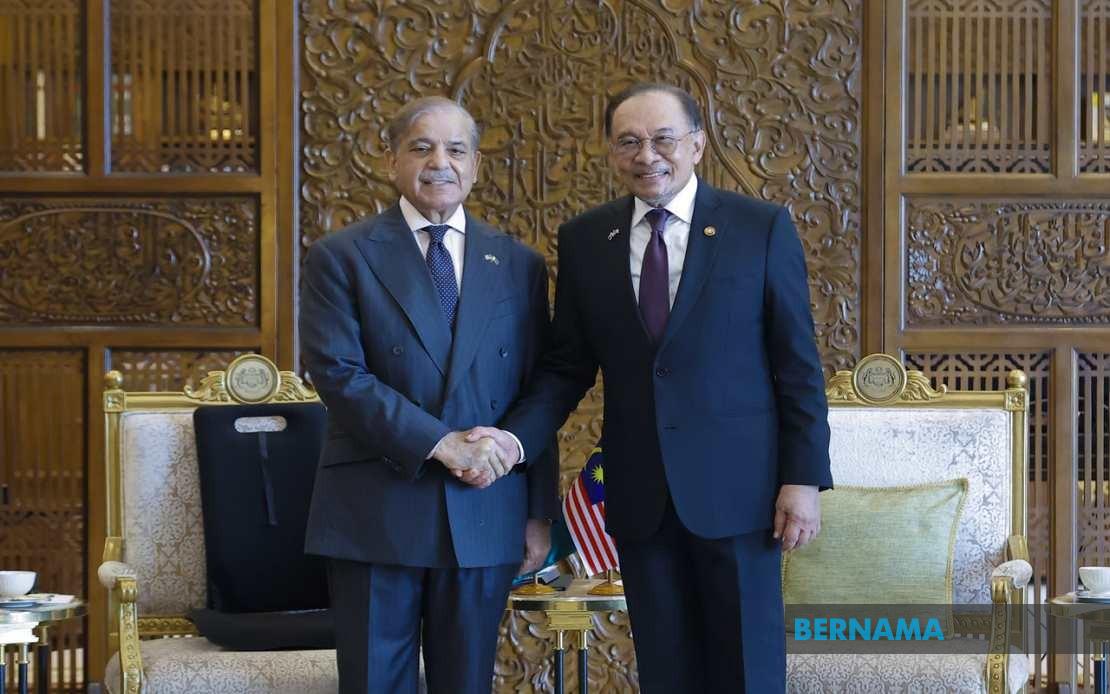
Pakistani Prime Minister Shehbaz Sharif has conveyed his personal wishes for the swift recovery of Malaysian Prime Minister Datuk Seri Anwar Ibrahim following medical procedures scheduled for Monday. In a message posted on the social media platform X, Sharif expressed solidarity with his Malaysian counterpart during what he characterised as a period requiring medical attention and observation.
The gesture reflects the deepening diplomatic relations between Pakistan and Malaysia, two significant players in the broader Muslim-majority world and participants in regional forums spanning South Asia and Southeast Asia. Such expressions of goodwill between regional leaders often carry symbolic weight beyond their immediate surface, signalling the importance placed on bilateral engagement and personal relationships at the highest levels of government. For Malaysia, maintaining cordial ties with Pakistan holds strategic value across multiple dimensions, from economic cooperation to coordination on regional security matters affecting the Indian Ocean rim.
According to a statement from Anwar's Senior Press Secretary Tunku Nashrul Abaidah, the Malaysian prime minister is undergoing a series of medical examinations and therapeutic procedures as prescribed by a specialist medical team. The announcement underscores the routine nature of such healthcare interventions, which are standard practice for senior government officials to maintain optimal health and address any emerging health concerns. The transparency with which the Malaysian government disclosed these plans demonstrates a commitment to keeping the public informed about the wellbeing of the nation's chief executive.
The medical examination is expected to necessitate a two-day observation period, during which Anwar will remain under close medical supervision. This timeline suggests a comprehensive diagnostic and therapeutic protocol rather than a minor intervention, though the Prime Minister's Office has provided no further clinical details regarding the specific nature of the procedures. The decision to schedule such examinations reflects responsible health stewardship, particularly given the demanding nature of the office and the extensive responsibilities that accompany the position of prime minister.
Sharif's message carried particular spiritual undertones, invoking Islamic tradition in his wishes for recovery. He stated that "May Allah SWT bless him with a speedy return to his duties," a formulation that acknowledges both the personal dimension of health concerns and the public importance of ensuring continuity in Malaysia's governmental leadership. The invocation of divine blessing represents a common diplomatic courtesy within Muslim-majority nations, extending beyond mere pleasantries to affirm shared religious and cultural frameworks that bind the region together.
Beyond Sharif's individual wishes, the Pakistani prime minister indicated that the broader Pakistani populace joined him in praying for Anwar's continued good health and wellbeing. This rhetorical positioning elevates the gesture from a bilateral diplomatic courtesy to a representation of popular goodwill between the two nations. In the context of contemporary international relations, such public expressions of mutual concern serve to reinforce people-to-people connections and remind citizens of their shared interests with neighbouring countries.
The timing of this development occurs within a broader context of Malaysian political stability and institutional strength. The fact that medical procedures can be disclosed and managed with minimal disruption to governmental functions reflects the robustness of Malaysia's administrative systems and the capacity of institutions to operate effectively during periods when the prime minister requires medical attention. Clear succession protocols and delegation frameworks ensure that critical government functions continue uninterrupted.
For regional observers, the incident also highlights the visibility and accessibility of contemporary political leadership. The rapid public acknowledgement and communication regarding Anwar's medical situation demonstrates how modern governance operates within frameworks of transparency, where matters affecting national leadership are quickly shared with both domestic constituencies and international partners. This stands in contrast to historical periods when health issues affecting senior leaders were often shrouded in secrecy.
From a Southeast Asian perspective, the exchange underscores the interconnected nature of contemporary regional politics. Pakistan, while geographically situated in South Asia, maintains significant engagement with Southeast Asian nations through organisations such as ASEAN and through bilateral relationships that span economic, security, and cultural dimensions. The demonstrated concern of a South Asian leader for a Southeast Asian counterpart illustrates how these regional frameworks create networks of mutual interest and obligation.
The broader implications for Malaysia's governance remain primarily operational rather than substantive. The scheduled nature of the medical procedures and the predetermined observation period suggest a managed transition of responsibilities rather than an unexpected disruption to executive function. Malaysian institutions have demonstrated capacity to handle such situations with established protocols, ensuring that continuity is maintained while the prime minister receives necessary medical care.
Anwar's willingness to undergo these procedures publicly and transparently reflects confidence in both his own health outcomes and in the stability of Malaysian governance structures. The decision to proceed with scheduled examinations while remaining accessible to the public through regular updates demonstrates a balanced approach to personal health management and public accountability. The cross-border expressions of support, exemplified by Sharif's message, reinforce the collegial relationships that characterise diplomatic engagement at the highest levels in contemporary Asian politics.

