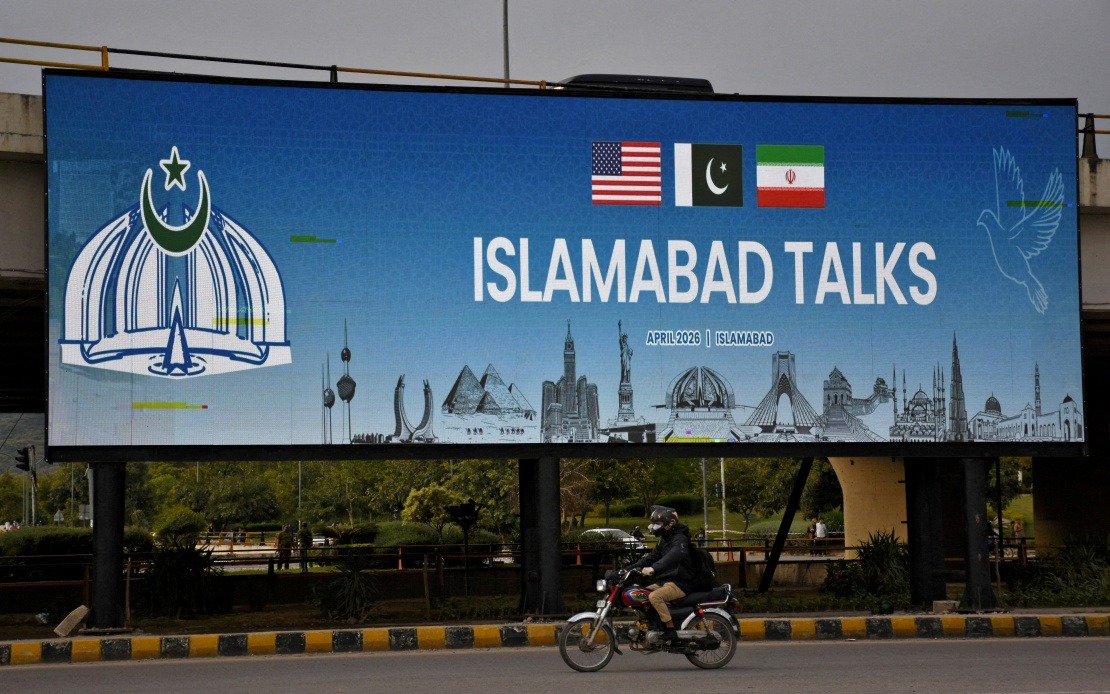
Following a ceasefire accord signed in mid-June, the United States and Iran are preparing to convene for another round of high-stakes negotiations in Pakistan on July 11. According to reports citing Al Arabiya news channel, the talks represent a continuation of efforts to resolve longstanding tensions between Washington and Tehran through diplomatic channels rather than military confrontation.
The forthcoming discussions in Islamabad are expected to address three interconnected issues that have complicated relations between the two nations for decades. Chief among these is the question of international sanctions imposed on Iran, the release of frozen Iranian assets held in foreign accounts, and the contentious nuclear question that has periodically triggered international crises. These three elements form an interlocking puzzle that negotiators from both sides must carefully untangle to achieve any sustainable agreement.
One practical consideration affecting the Iranian delegation's composition is the funeral of former Iranian Supreme Leader Ali Khamenei, scheduled for July 9, just days before the scheduled talks. This means final decisions about which senior officials will travel to Pakistan for the negotiations cannot be finalised until after the state funeral concludes. The timing underscores how major domestic political events in Tehran can influence the pace and composition of international negotiations.
The backdrop to these upcoming talks is a memorandum of understanding signed remotely between Tehran and Washington in the early hours of June 18. This agreement formally ended a military conflict that had escalated starting February 28, marking a significant shift from confrontation toward negotiation. The mere fact that both governments agreed to put pen to paper on a formal ceasefire document—even if executed remotely—suggests a shared interest in preventing further escalation.
Beyond halting hostilities, the June memorandum contains several concrete implementation provisions with defined timelines. The United States has committed to lifting its naval blockade of Iranian ports, a measure that has severely constrained Iran's maritime trade and access to global markets. Simultaneously, Iran has pledged to restore shipping operations through the Strait of Hormuz, one of the world's most critical energy chokepoints through which roughly one-third of seaborne traded oil passes daily. The restoration of normal transit through these waters would provide significant relief to global energy markets and shipping companies that have faced disruptions.
Regarding the nuclear dimension, the memorandum contains an Iranian commitment to refrain from pursuing nuclear weapons development. However, the specific terms governing Iran's nuclear programme—including enrichment levels, inspection regimes, and verification mechanisms—are to be determined through separate negotiations. The parties have set a 60-day window to hammer out these technical and political details, meaning agreements on the nuclear framework must be reached by mid-August to meet the established timeline.
For Tehran, the central incentive driving these negotiations is sanctions relief. Iran's economy has suffered significantly under successive layers of American sanctions imposed over the past decade and a half. Lifting these restrictions would unlock access to international financial systems, facilitate trade, and enable Iran to reintegrate more fully into global commerce. From this perspective, the nuclear negotiations represent a pathway to economic rehabilitation, provided the international community agrees to remove punitive measures.
Pakistan's role as host venue for these talks carries particular significance for the region. As a country that maintains diplomatic relations with both Washington and Tehran, and as a nation with strategic interests in regional stability, Pakistan occupies a natural position as intermediary and neutral ground. The selection of Islamabad rather than a more distant or formally neutral location like Geneva or Vienna suggests both parties may view the talks as part of a broader process of regional recalibration.
For Malaysian and Southeast Asian observers, these developments merit attention for several reasons. First, stability in the Middle East directly affects energy prices and shipping security, both matters of vital concern to maritime trading nations throughout Asia. Second, any resolution to US-Iran tensions reduces the risk of military confrontation that could disrupt global commerce and provoke broader geopolitical realignments. Third, the success or failure of these negotiations may influence how other regional disputes are ultimately resolved, setting precedents for diplomatic engagement versus confrontation.
The fact that negotiations are proceeding through formal channels and according to structured timelines suggests both Washington and Tehran recognise the costs of continued hostility. However, significant hurdles remain. The composition and sequencing of sanctions lifting must satisfy both sides, inspection and verification protocols for nuclear activities remain technically complex, and domestic political constituencies within each country maintain strong views about acceptable outcomes.
As Pakistan prepares to host these talks, regional capitals are watching closely. The success of these negotiations could reshape Middle Eastern geopolitics and have ripple effects throughout global trade networks. Conversely, if talks collapse or produce only superficial agreements, the risk of renewed confrontation remains real. The next few months will prove crucial in determining whether the June ceasefire represents the beginning of genuine reconciliation or merely a temporary pause in a longer conflict.

