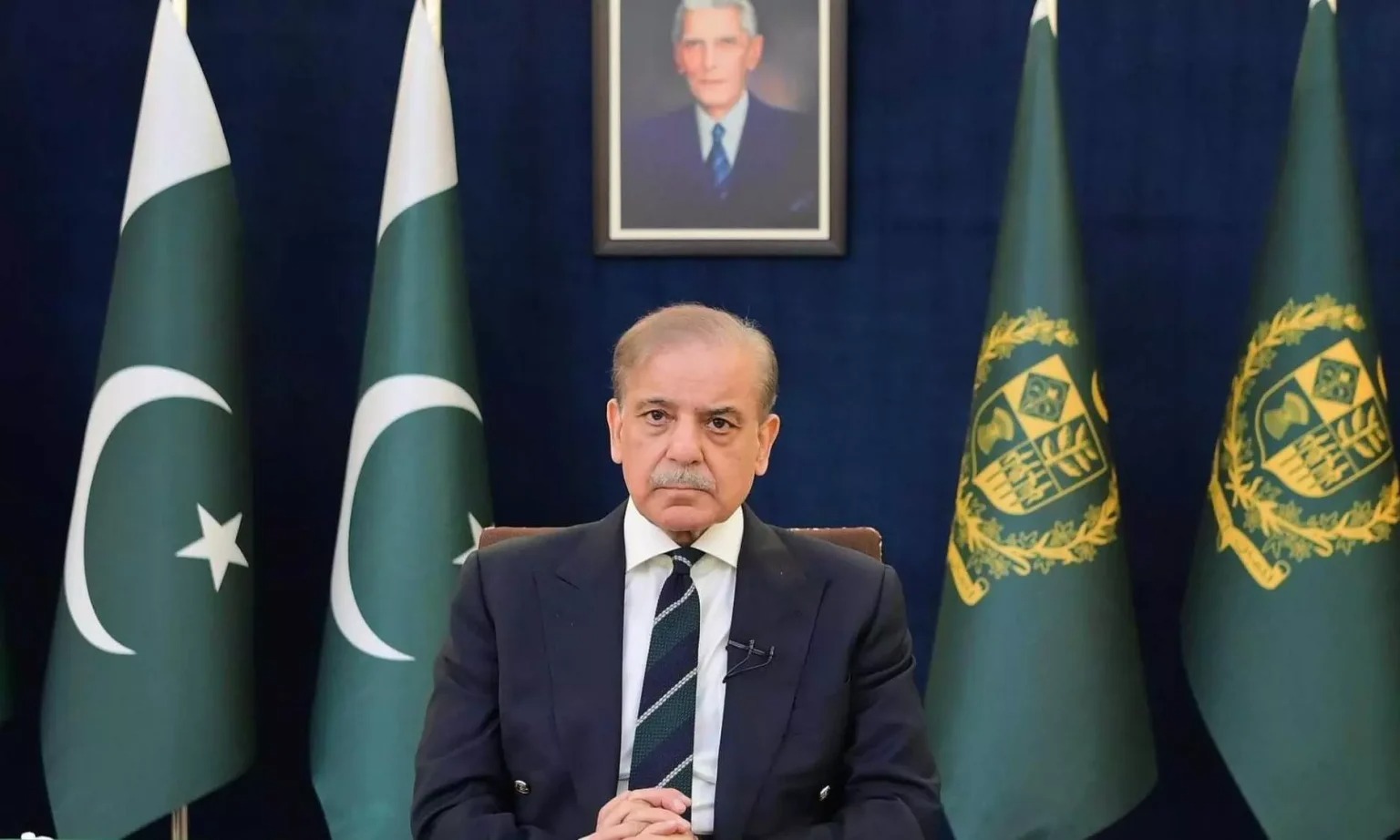
Pakistan and Syria are embarking on a strategic recalibration of their bilateral relationship, aiming to revitalise connections that have languished for two decades. The catalyst for this diplomatic renewal came through Syrian Foreign Minister Asaad Hassan Al Shaibani's recent visit to Islamabad, a milestone visit that underscores both nations' commitment to reversing a prolonged period of reduced high-level engagement. During his stay, Shaibani engaged with Pakistan's top leadership, including Prime Minister Shehbaz Sharif, to discuss pathways for cooperation spanning multiple domains from economic partnership to cultural exchange.
Pakistan's government has signalled clear backing for Syria's political stability and territorial preservation, particularly concerning the contentious Golan Heights issue. Prime Minister Sharif emphasised during his meeting with Shaibani that the foundational friendship between the two countries must now translate into concrete action across diverse sectors. The Pakistani leadership articulated particular interest in advancing cooperation within defence, politics, trade, investment, education, and human resource development—areas where substantive gains could be achieved relatively quickly. This comprehensive approach reflects a recognition that bilateral relationships thrive when multiple channels of engagement exist simultaneously rather than relying on single points of contact.
One significant practical development emerging from the talks involves resuming direct air connectivity between the two countries. The restoration of flights would facilitate not only business travel but also strengthen cultural and people-to-people linkages that form the foundation of lasting diplomatic relationships. Such transportation infrastructure improvements often serve as catalysts for broader economic integration, as reduced travel friction encourages both leisure tourism and commercial activity. For Malaysia and other Southeast Asian nations tracking Middle Eastern stability, enhanced Pakistan-Syria ties could influence regional dynamics and contribute to constructive dialogue on contentious issues.
The diplomatic discussions extended beyond bilateral matters into regional geopolitics, with both Foreign Minister Ishaq Dar and his Syrian counterpart examining issues affecting the broader neighbourhood. Palestinian concerns, the Golan Heights dispute, Afghanistan's evolving situation, and South Asian developments all featured in their conversations. Notably, Shaibani expressed appreciation for Pakistan's adherence to the Makkah Joint Defence Agreement, suggesting that Syria views Pakistan as a constructive actor capable of promoting stability across competing interests. The Syrian minister's commendation of Pakistan's role in de-escalation efforts between the United States and Iran indicates recognition of Islamabad's diplomatic positioning and influence within regional power balances.
Trade and investment expansion formed a central pillar of the discussions, with Pakistan's Commerce Minister Jam Kamal Khan stressing the importance of greater private sector engagement. Khan's emphasis on enhanced interaction between Pakistani and Syrian business communities reflects understanding that government-to-government cooperation must be underpinned by commercial relationships that generate mutual benefit and create constituencies with vested interests in sustained cooperation. Shaibani responded positively to this opening, proposing the establishment of a joint business council—a formal institutional mechanism designed to systematise trade promotion and investment facilitation.
Syria's reconstruction needs represent a substantial opportunity for Pakistani enterprises, particularly in infrastructure development and related sectors. The Syrian minister's highlighting of his country's infrastructure requirements suggests openness to Pakistani participation in rebuilding efforts. This presents concrete business opportunities while simultaneously advancing broader relationship goals. For Pakistani firms, Syrian reconstruction projects could open new markets and generate valuable experience in conflict-recovery environments. The joint business council framework would provide structured channels for identifying, evaluating, and pursuing mutually beneficial commercial ventures.
The timing of this diplomatic reinvigoration carries significance within broader Middle Eastern contexts. Syria's international rehabilitation following years of civil conflict has progressed incrementally, and Pakistan's willingness to engage at high levels signals confidence in Syria's trajectory. Regional observers note that Pakistan's outreach may also reflect Islamabad's strategic interests in strengthening partnerships with nations sharing common concerns regarding regional interference and sovereignty protection. The emphasis on mutual respect for territorial integrity and non-interference principles runs through multiple aspects of the bilateral discussions.
From a Southeast Asian perspective, the Pakistan-Syria rapprochement exemplifies how nations separated by geography can identify common interests and rebuild engagement. The diplomatic model being pursued—combining high-level political engagement with practical mechanisms for economic cooperation and cultural exchange—offers lessons applicable to other bilateral relationships in the region. Malaysia's own foreign policy often emphasises similar principles of comprehensive engagement across multiple sectors, suggesting potential common ground for tripartite or multilateral cooperation opportunities.
The formal establishment of institutional frameworks like the proposed joint business council represents important progress beyond rhetorical commitments. Such mechanisms create accountability, establish regular interaction schedules, and develop expertise specific to bilateral commercial relationships. Pakistan and Syria appear intent on avoiding the mistakes that allowed their relationship to languish previously, instead building redundancy and multiple connection points that can weather individual political fluctuations. Success in these endeavours would demonstrate how nations can revitalise diplomatic relationships through sustained, multi-faceted engagement strategies.

