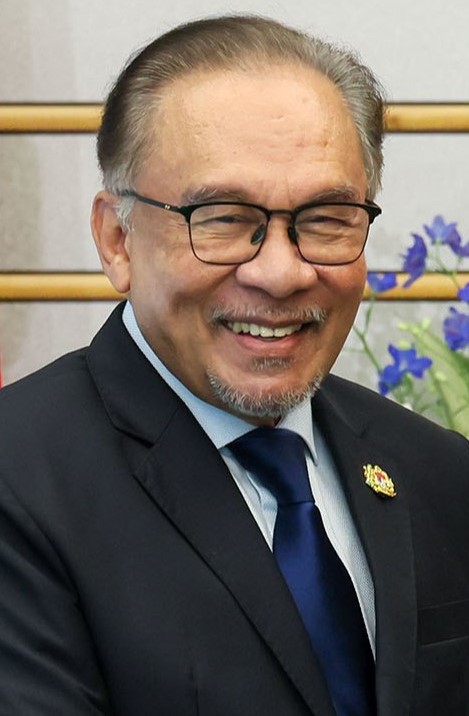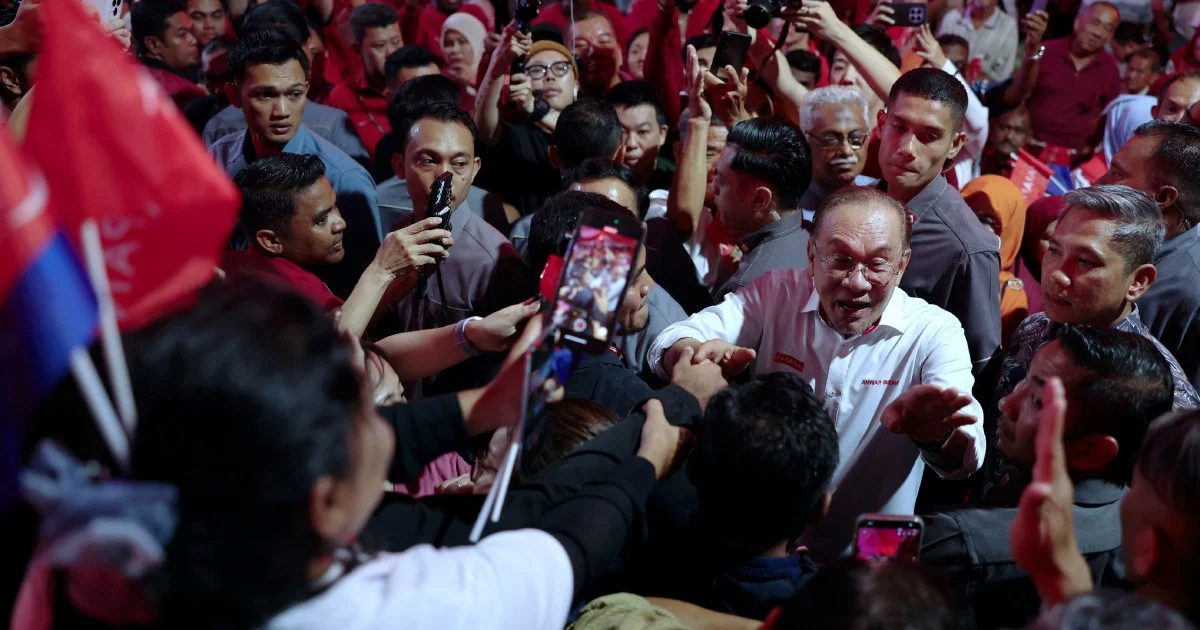
Pakatan Harapan made its formal move to challenge the incumbent Johor administration by presenting its complete roster of 56 candidates for the state election scheduled for July 11. The coalition leadership, represented by chairman Datuk Seri Anwar Ibrahim at an event in Tangkak, signalled its readiness for a statewide contest that observers view as a crucial battleground for opposition fortunes in peninsular Malaysia.
The Johor election represents a critical juncture for the opposition coalition following its 2022 general election breakthrough and subsequent losses in several state contests. For Pakatan Harapan, the timing and scale of this announcement underscores the strategic importance attached to Johor, historically a stronghold of Barisan Nasional and United Malays National Organisation influence. The state's economic significance and its large Malay-Muslim voting base make it a test case for whether the opposition can consolidate support beyond urban areas and Chinese voters who provided pivotal backing in 2022.
The unveiled slate encompasses candidates spanning the three main components of the Pakatan Harapan coalition: the Democratic Action Party, Amanah, and Anwar Ibrahim's PKR. This structure reflects the careful distribution of seats negotiated among coalition partners—a balancing act that has proven contentious in past elections. The mix of experienced incumbents, returnees, and fresh faces in the candidate list reveals the coalition's attempt to balance continuity with fresh momentum, though the relative distribution across parties remains a closely watched indicator of coalition health and bargaining power.
Johor's political topography has shifted significantly since the last state election in 2018. While Pakatan Harapan achieved success in that contest, subsequent federal developments and internal coalition dynamics have altered the landscape. The 2022 general election yielded mixed results for the coalition in Johor, with some federal constituencies swinging back toward the ruling coalition. Local observers note that state-level voting patterns often diverge from federal trends, yet the overall trajectory suggests a tougher environment for opposition candidates in this predominantly rural and semi-urban state.
The economic dimension adds another layer to the electoral dynamics. Johor's development initiatives, infrastructure projects, and fiscal management during the state government's tenure under Pakatan Harapan became flashpoints for campaigning in preceding months. Opposition critics pointed to delays and cost overruns in certain flagship projects, while coalition defenders highlighted achievements in healthcare, education, and poverty reduction. The candidate slate, therefore, carries the burden of defending the previous administration's record while proposing forward-looking policies.
Anwar Ibrahim's personal presence in Tangkak for the candidate announcement carries symbolic weight. As coalition chairman and federal Prime Minister, his involvement signals that the central party leadership views Johor as more than a routine state election. His participation also underscores the intertwined nature of federal and state politics in Malaysia, where national political shifts cascade into state contests and vice versa.
The demographic composition of the candidate list offers clues about the coalition's targeting strategy. Observers will scrutinise the balance between male and female candidates, representation across ethnic communities, and the prominence given to new faces versus seasoned politicians. Such metrics reveal not only the coalition's stated commitment to diversity and renewal but also its tactical calculations regarding which voter segments it prioritizes in specific regions.
Pakatan Harapan's confidence in presenting a full slate across all 56 state seats contrasts with previous election cycles where resource constraints occasionally forced the coalition to contest selectively. This comprehensive approach reflects both growing organisational capacity within the coalition and a determination to compete vigorously rather than cede ground unopposed. Yet fielding candidates across all available seats carries risks, as the coalition must now defend every nomination against accusations of parachuting outsiders or displacing local preferences.
The road to July 11 will see intensified scrutiny of the candidate profiles, their community connections, and their ability to articulate Pakatan Harapan's policy platform to voters. Regional issues specific to constituencies—flooding, water quality, agricultural support, manufacturing employment—will interact with broader narratives about governance, corruption, and economic management. The candidate list's effectiveness as a campaigning tool depends not merely on who runs but how effectively they mobilise supporters and persuade persuadable voters.
For Malaysian readers and Southeast Asian observers, the Johor election illuminates broader patterns in opposition politics across the region. The question of whether coalitions can maintain discipline and momentum, how they balance internal pressures against external electoral competition, and whether they can translate federal-level breakthroughs into consolidated state-level gains resonates beyond Johor's boundaries. The candidates now unveiled will ultimately test whether Pakatan Harapan's ambitions to recapture state power in Johor align with voter sentiment on the ground.