Pakatan Harapan is moving swiftly into review mode following its disappointing showing in the Johor state election, where the coalition will dissect the factors behind the outcome while simultaneously gearing up for the imminent Negeri Sembilan polls. The opposition bloc, which failed to secure control of Johor's 56-seat assembly, is treating the electoral loss as a learning opportunity rather than a terminal blow to its broader ambitions in the state-level political arena across Malaysia.
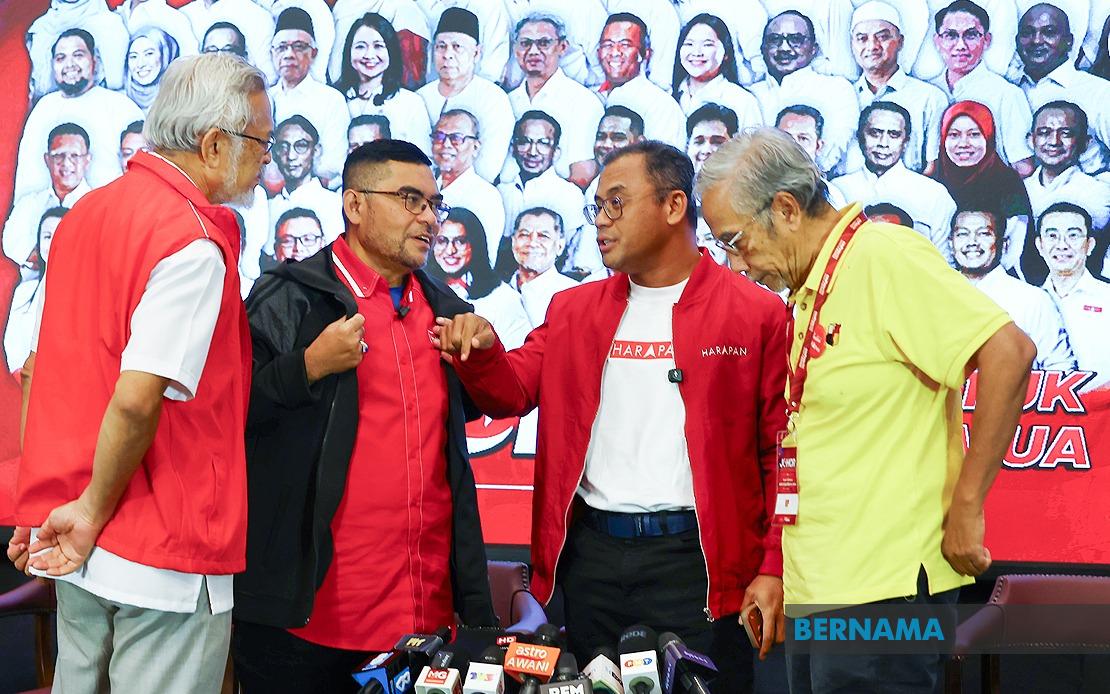
Selangor Menteri Besar Datuk Seri Amirudin Shari, who serves as PKR's Election Co-director and a member of the PH Presidential Council, articulated the coalition's approach at the PH Operations Centre in Johor Bahru on July 11. The comprehensive postmortem will focus on voter behaviour patterns, particularly tracking which demographic segments have shifted allegiance between elections and evaluating why younger voters either stayed home or voted differently from previous contests. This granular analysis reflects a recognition within PH's leadership that broad-brush assumptions about electoral support must give way to detailed, precinct-level understanding.
Amirudin acknowledged that final tallies remained incomplete as he spoke, with several seats still unconfirmed at the time of his press conference. He cautioned against reaching firm conclusions until a full week had elapsed, allowing his team to verify numbers from individual polling streams and compile a reliable database of results. This methodical approach contrasts with the immediate partisan spin typically offered on election night, suggesting PH intends to build its Negeri Sembilan strategy on verified data rather than provisional assumptions or media projections.
Barisan Nasional's capture of 29 of the 56 contested seats in the Johor election represented a straightforward majority, securing more than 50 percent of the assembly as Election Commission chairman Datuk Seri Ramlan Harun confirmed. The outcome delivered a significant blow to PH's ambitions in a state where the coalition had hoped to build electoral momentum heading into other contests. For Malaysian readers, the Johor result underscores the volatility of state-level politics even when a coalition controls the federal apparatus, highlighting how local grievances and candidate selection can override broader national narratives.
Turning to Negeri Sembilan, PH is projecting confidence grounded in the state government's track record under Menteri Besar Datuk Seri Aminuddin Harun. Amirudin stated the coalition's objective plainly: retention of the state administration based on performance metrics and the incumbent leader's ongoing capacity to deliver policy outcomes that resonate with voters. This messaging strategy attempts to pivot attention away from the Johor setback toward a positive agenda emphasising tangible governance achievements in Negeri Sembilan. For Southeast Asian observers, the approach illustrates how ruling coalitions attempt to compartmentalise electoral losses, preventing contagion effects that might spread disaffection to uncontested territories.
Candidate selection for the Negeri Sembilan campaign would proceed through discussions scheduled for July 12, the day following the Johor results. The timing suggests PH intended to absorb lessons from the recent polling before finalising its lineup, seeking to ensure nominees could withstand local scrutiny and meet voter expectations grounded in specific state circumstances. The full slate would be publicly announced on July 14, providing the coalition a narrow window to communicate its choices before the campaign intensified. This compressed timeline reflects the reality that Malaysian electoral windows are frequently narrow, requiring political machines to operate with considerable speed and coordination.
Amirudin's assurance regarding federal political stability carries significance for Malaysian and regional stakeholders who worry about cascading effects from state-level reversals. He explicitly stated that all component parties in the federal coalition, including Barisan Nasional, had committed to maintaining the administration's integrity through the Prime Minister's eventual dissolution of Parliament. This declaration attempts to inoculate the Anwar Ibrahim government against narratives suggesting state election losses signal deeper cracks in the federal arrangement. However, the very need to offer such reassurances hints at underlying anxiety about whether state-level defeats might eventually undermine coalition cohesion at the national level.
The presence of Amanah representatives at the Johor Bahru press conference—deputy president Datuk Seri Dr Mujahid Yusof Rawa, vice-president Datuk Dr Mohd Hatta Ramli, and Communications director Khalid Abdul Samad—signalled that PH's review process would involve input from coalition partners beyond PKR. This consultative approach addresses one of the coalition's perennial vulnerabilities: maintaining unity and preventing individual parties from weaponising electoral setbacks to demand greater representation or policy concessions.
For Malaysian readers observing state electoral politics, the Johor outcome and PH's response demonstrate how contemporary Malaysian coalitions operate under increasing pressure to deliver results across multiple elections simultaneously. The coalition cannot afford lengthy post-mortems; it must simultaneously process Johor's implications while executing a fresh campaign in Negeri Sembilan. This dual-track approach, though necessary, risks spreading resources and attention too thinly, potentially compromising effectiveness in either contest. The challenge facing PH mirrors broader pressures confronting governing coalitions in Southeast Asia, where electoral cycles cluster unpredictably and defeat in one jurisdiction rapidly becomes a credibility problem in others.
Looking ahead, the Negeri Sembilan campaign will function partly as a referendum on whether PH can successfully implement lessons learned from Johor, or whether underlying voting trends suggest a deeper reorientation of Malaysian electoral politics. Amirudin's confidence in Aminuddin Harun's leadership and the state government's record will be tested against ground realities that may have shifted since the Johor election. The coalition's capacity to retain Negeri Sembilan will considerably shape perceptions of whether the recent Johor loss represented a localised disappointment or the opening phase of a broader electoral realignment threatening PH's current federal position.

