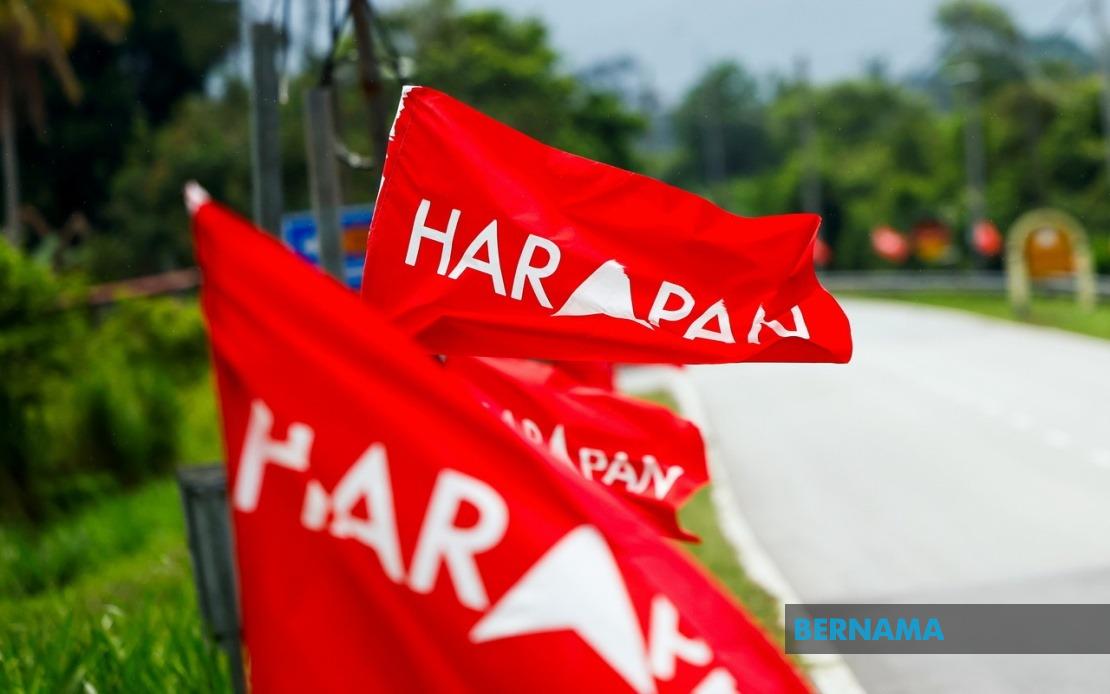
Pakatan Harapan is preparing to unveil its manifesto for the 16th Negeri Sembilan state election, with the coalition set to present its vision to voters as campaigning enters its second week. The manifesto presentation, scheduled for tomorrow night, will outline the ruling coalition's plans for the state following its victory in the 2018 elections that marked a significant shift in Malaysian politics. The announcement came from Negeri Sembilan PH Operations director Datuk Muhammad Zaki Md Sabri during a press conference in Seremban, who signalled that the document has been carefully crafted by the party's senior leadership to provide a comprehensive roadmap for the state's future direction.
The manifesto is expected to centre on economic and social continuity, according to Muhammad Zaki, who emphasised that the coalition intends to build on the achievements of the past six years under its governance. This messaging reflects a broader strategy among incumbent parties across Malaysia to frame elections as choices between continued stability and unproven alternatives. By highlighting development gains and prosperity metrics from its tenure, Pakatan Harapan is positioning itself as the party of established progress rather than untested promises. The emphasis on sustainability suggests the coalition will likely address concerns about whether current economic growth patterns can be maintained amid broader regional uncertainties and post-pandemic recovery challenges.
The timing of the manifesto launch reflects the compressed campaign schedule for this state election. With the Election Commission dissolving the Negeri Sembilan State Legislative Assembly on June 5 and setting polling day for August 1, contestants have a relatively narrow window to present their cases to voters. The decision to unveil the manifesto during the second week of campaigning allows Pakatan Harapan to maintain momentum and set the agenda for discussions in the state's final campaigning days. Early voting is scheduled for July 28, giving military and police personnel the opportunity to cast ballots before the main election date.
Muhammad Zaki expressed satisfaction with the coalition's operational readiness and grassroots reception during the initial campaign phase. His comments about smooth logistics and positive voter feedback suggest that party machinery is functioning effectively across the state's constituencies. However, such statements are standard in campaign narratives, and the true test of electoral support will come when voters cast their ballots. The coalition's ability to mobilise supporters and translate organisational capacity into actual votes remains a critical variable as the campaign progresses toward August 1.
The Negeri Sembilan electorate represents a substantial voting bloc in Malaysian electoral politics. Nearly 890,000 registered voters are eligible to participate in this election, comprising approximately 867,000 ordinary voters alongside 16,884 military personnel and their spouses and 5,455 police officers designated as early voters. This composition reflects the demographic profile of many Malaysian states, with military and law enforcement personnel representing a distinct voter segment with particular policy interests and grievances. The scale of the potential electorate underscores the significance of this contest for national political trends, as state-level results often foreshadow broader shifts in voter preferences.
Pakatan Harapan's call for a campaign environment free from excessive provocation and respectful of sensitivities around religion, royalty, and race reveals the fault lines that characterise Malaysian electoral contests. These three domains remain potent political territory where messaging can rapidly escalate divisions or mobilise particular constituencies. By advocating for restraint in these areas, Muhammad Zaki was signalling that the coalition seeks to avoid defensive positions on sensitive cultural and institutional questions. Whether competing parties will heed this call remains uncertain, as opposition forces may calculate that challenging incumbent narratives on these grounds could prove electorally advantageous.
For Malaysian political observers, the Negeri Sembilan election carries implications beyond the state itself. The result will provide an early indicator of how voters assess Pakatan Harapan's performance in government and whether the coalition retains the momentum that brought it to power nationally in 2018. Any significant swing away from the coalition in a state it currently controls would suggest weakening support heading toward future general elections. Conversely, a strong performance would bolster the coalition's narrative about delivering on promises and maintaining voter confidence.
The economic messaging in Pakatan Harapan's anticipated manifesto will likely emphasise job creation, infrastructure development, and living standards improvements under its administration. These are standard election themes globally, but they carry particular weight in Malaysia where economic concerns have consistently ranked among top voter priorities. The coalition will need to demonstrate tangible outcomes and connect recent development projects to improved quality of life, particularly in addressing cost of living pressures that have intensified since 2022.
Regional context also matters for this election. Negeri Sembilan borders Kuala Lumpur and Selangor, two politically significant areas where Pakatan Harapan has strong support. Migration patterns and economic integration between these jurisdictions mean that policies in one state can influence perceptions and priorities across the region. A Negeri Sembilan result that diverges sharply from Selangor's preferences would suggest shifting dynamics in this traditionally progressive corridor of Malaysian politics.
As the campaign progresses toward the August 1 polling date, the manifesto presentation will mark a crucial moment in shaping voter narratives and preferences. The document's reception among different demographic and geographic segments of the electorate will provide early signals about which coalition messages resonate most effectively. Media coverage and public discourse following the manifesto launch will significantly influence whether Pakatan Harapan successfully frames the election around its chosen themes or whether opposition messaging dominates the final weeks of campaigning.

