As campaigning intensifies for Johor's 16th state election scheduled for July 11, Pakatan Harapan has made clear that it will defer entirely to the Sultan of Johor should the coalition secure victory to form the next state government. The position represents a formal acknowledgment of the Palace's constitutional authority in this matter, signalling PH's respect for institutional traditions governing Malaysia's constitutional monarchy.
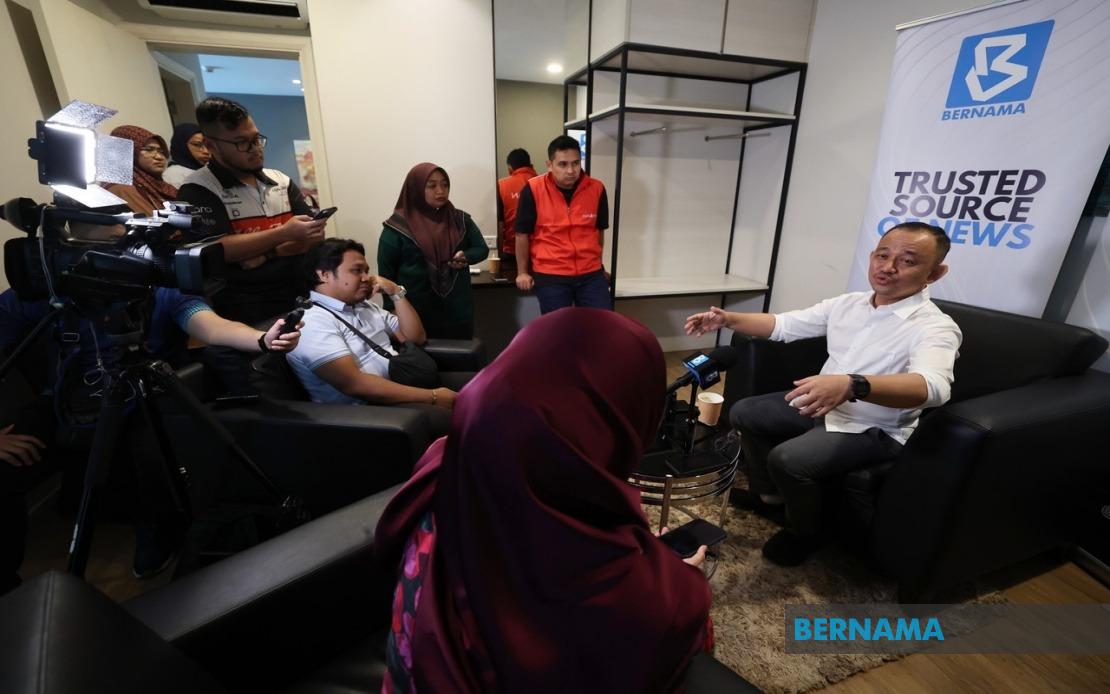
Dr Maszlee Malik, who is contesting the Puteri Wangsa state seat as PH's candidate, articulated this stance during an interview, emphasising that the coalition has deliberately avoided internal discussions about the Menteri Besar position. This deliberate silence reflects a strategic choice to keep the focus squarely on policy and service delivery rather than leadership succession debates that could potentially fracture coalition unity during the campaign phase.
The decision comes amid social media speculation that has circulated Maszlee's name among potential candidates for the chief minister role. Such conjecture is hardly unusual in Malaysian state politics, where leadership succession has historically generated considerable interest among party members and the public alike. However, PH's emphatic statement appears designed to defuse any perception of internal jockeying or factional manoeuvrings that could undermine the coalition's electoral message.
Under the Johor State Constitution, the Sultan possesses the explicit authority to appoint the Menteri Besar, a prerogative that reflects the constitutional arrangement in several Malaysian states where the ruler retains significant executive powers. This constitutional framework distinguishes Johor from states governed under different arrangements, and Pakatan Harapan's acknowledgment respects the specific institutional landscape of the state where it is competing.
Maszlee's framing of the issue reveals a broader strategic orientation within Pakatan Harapan's election campaign. Rather than concentrating electoral messaging around individual personalities or potential leaders, the coalition is positioning itself as a collective enterprise bringing together capable candidates across all 56 contested seats. This team-based approach, articulated through the metaphor of "Avengers," seeks to project an image of distributed competence and collective responsibility rather than leadership dependent on any single figure.
The emphasis on presenting a strong slate of candidates reflects lessons that Malaysian opposition coalitions have absorbed over recent election cycles. Voters increasingly seek reassurance that electoral choice represents not merely a change of individual leaders but a fundamental shift in governance approach and policy direction. By highlighting the calibre of candidates fielded across diverse constituencies, Pakatan Harapan attempts to address voter concerns about programme implementation and institutional accountability.
Early voting is scheduled for July 7, providing several days before the main polling date for registered voters unable to cast ballots on election day. This extended voting window, becoming standard in recent Malaysian elections, ensures broader participation across different demographic groups and occupational categories. The staggered voting arrangement also provides election observers and media with early indications of voter sentiment, though such preliminary signals must be interpreted cautiously given the limitations of early voting samples.
Johor holds particular significance within Malaysian electoral politics. As the nation's second-largest state by population and a traditional stronghold of political competition, state election outcomes often reverberate across the broader political landscape. The 2023 federal election saw Johor emerge as a crucial battleground where different coalitions competed intensely, making the state's direction a significant indicator of political momentum heading into subsequent electoral contests.
Pakatan Harapan's disciplined approach to the Menteri Besar question contrasts with historical patterns where opposition coalitions sometimes generated internal friction through premature leadership discussions. By parking this issue and channelling energy toward candidate quality and policy articulation, the coalition aims to present a unified front to voters concerned about governmental stability and administrative competence.
The constitutional deference to the Sultan also carries implications for federal-state relations and the broader architecture of Malaysian governance. By respecting the Palace's prerogatives, Pakatan Harapan signals respect for constitutional institutions and established conventions, messaging that may resonate with voters who value institutional stability alongside demands for political change. This positioning potentially differentiates the coalition's approach from narratives that frame elections primarily as referenda on individual leaders rather than institutional governance frameworks.
As the election draws closer, how these early strategic decisions translate into voter behaviour will become increasingly apparent. The coalition's emphasis on collective capability rather than individual leadership, combined with formal recognition of the Sultan's constitutional authority, represents a calculated attempt to navigate Johor's distinctive political terrain while maintaining internal cohesion during the intensive campaign period ahead.

