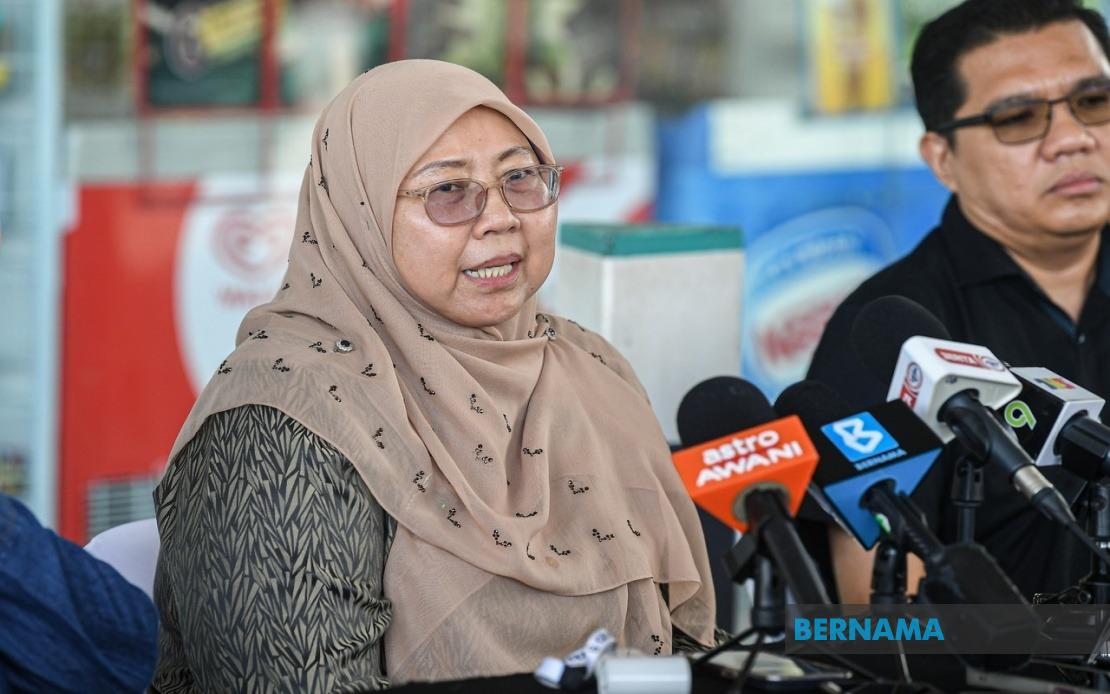
Pakatan Harapan has moved to neutralise concerns about campaign disruptions in Johor, with party officials dismissing a series of minor vandalism incidents as insignificant to the ruling coalition's electoral fortunes in the state. PKR secretary-general Datuk Fuziah Salleh characterised the incidents—which included the tearing of campaign posters, destruction of billboards, and burning of party flags—as manageable problems that have failed to derail the broader push across constituencies where PH candidates are standing. Speaking at a media conference in Johor Bahru on July 2, Fuziah insisted that the overall campaign atmosphere remained orderly and that voter momentum continued to build in PH's favour.
The incidents, while acknowledged, appear to reflect the competitive intensity of state-level politics in Malaysia, where rival camps employ aggressive counter-messaging tactics during election cycles. Fuziah, who also serves as Deputy Minister of Domestic Trade and Cost of Living, suggested that such disruptions are routine features of contested campaigns rather than serious threats to electoral performance. Her comments came during a separate media engagement focused on the Budi MADANI Diesel subsidy scheme, illustrating how election-period activities often interweave with routine government business for sitting ministers.
According to Fuziah, the PH campaign apparatus in Johor is operating at high velocity, with individual candidates maintaining exhausting daily schedules that stretch from early morning until late evening. Candidates are reportedly engaging in approximately ten separate programme activities daily, encompassing meet-and-greets, community dialogues, and public appearances across their respective constituencies. This intensity reflects the strategic importance both PH and opposition camps place on the Johor election, given the state's sizeable population and its role in shaping broader perceptions of federal government performance.
Fuziah highlighted encouraging feedback from specific voter segments that bear particular significance for PH's future electoral prospects. Young voters and first-time electors have reportedly responded positively to PH candidates and their campaign messages, suggesting that the coalition maintains appeal among demographics that will shape Malaysian politics over coming decades. This generational dimension carries implications extending well beyond the July 11 polling date, as sustained youth engagement could bolster PH's capacity to govern effectively and maintain electoral relevance in subsequent cycles.
A notable clarification issued by Fuziah addressed confusion surrounding campaign pledges made by PH candidates for specific constituencies, including Skudai and Perlis state seats. These candidates had previously publicised what they characterised as electoral manifestos, but Fuziah distinguished between comprehensive governing platforms and localised commitments to individual constituencies. Issues such as waste management and other neighbourhood-level concerns, according to Fuziah's interpretation, fall into the category of constituency-specific pledges rather than systemic policy platforms that would guide state government operations.
The distinction Fuziah drew reflects a standard feature of Malaysian electoral contests, where candidates often highlight granular local problems during campaigns whilst party-level manifestos address broader policy frameworks. She emphasised that PH candidates' public commitments to address particular community problems represent personal undertakings to constituents rather than promises reflecting comprehensive state policies. This framing allows the party to maintain flexibility in implementing state-wide governance once in office, whilst still honouring individual candidates' commitments to their electoral bases.
Fuziah announced that the official PH manifesto for the Johor state election would be released on July 3, the day following her press conference. This timing allows the party to establish clear governing parameters just over a week before the scheduled polling date of July 11, providing voters sufficient opportunity to assess comprehensive policy platforms before casting ballots. The manifesto release represents a critical moment in the campaign cycle, as it crystallises the party's electoral promises into documented form that becomes a reference point for both supporters and critics during the remainder of the campaign period.
The Johor state election encompasses 172 candidates competing across constituencies, with early voting scheduled for July 7 preceding the main polling day on July 11. This scale of competition underscores the administrative complexity and political stakes involved in state-level contests within Malaysia's federal system. The two-day gap between early voting and main polling provides a final window for campaign activities and late-stage persuasion efforts, a period during which incident-related controversies might yet gain traction if amplified through social media and alternative information channels.
For Malaysian readers and Southeast Asian observers monitoring Malaysia's political trajectory, the Johor election serves as a significant barometer of federal government popularity under PH's leadership. State-level electoral outcomes often presage shifts in national political sentiment, making Johor's results particularly consequential for assessing whether the federal coalition retains sufficient public confidence to navigate remaining years of its current parliamentary term. Conversely, if opposition parties gain ground in Johor, such results could energise their campaigns and accelerate calls for earlier national elections, reshaping Malaysia's near-term political calendar.

