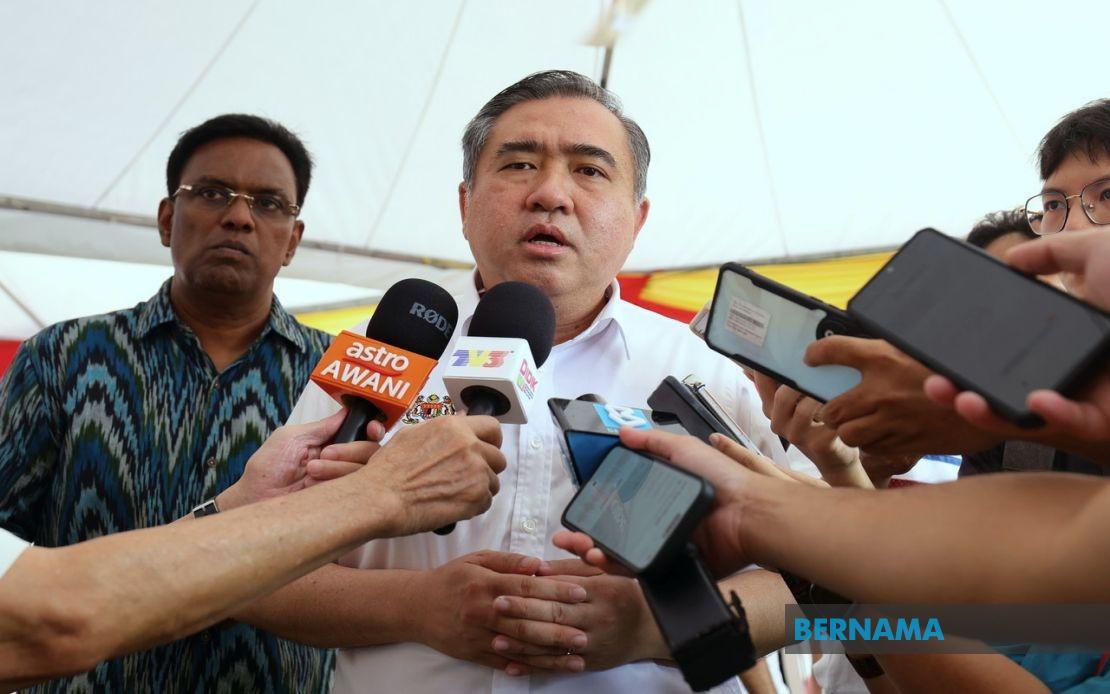
Pakatan Harapan has declared itself prepared to confront whatever political combinations its opponents might construct in the coming Negeri Sembilan state election, including a potential alliance between Barisan Nasional and Perikatan Nasional. Speaking in Seremban on July 16, DAP secretary-general Anthony Loke conveyed confidence that the ruling coalition would maintain composure regardless of rival manoeuvres, drawing lessons from recent electoral contests such as the Johor state election held earlier in the year.
Loke's remarks come as speculation intensifies about strategic seat-sharing arrangements between BN and PAS, the dominant Perikatan Nasional component, as both coalitions prepare ground operations across Negeri Sembilan's constituencies. Rather than responding defensively to such alliance talk, the DAP leader reframed the discussion around internal discipline, arguing that Pakatan Harapan's electoral prospects hinge principally on maintaining unity among its constituent parties—DAP, PKR, and Amanah—rather than on reactive positioning against opposition configurations.
The confidence expressed by Loke reflects Pakatan Harapan's governing track record in Negeri Sembilan, where the coalition has held power since 2018 under Menteri Besar Datuk Seri Aminuddin Harun. This tenure, marked by various development initiatives and administrative continuity, forms what Loke described as the coalition's primary asset in persuading voters to return it to office. The government's performance record, therefore, becomes the centrepiece of Pakatan Harapan's campaign narrative—a shift from purely tactical positioning toward substantive governance claims.
When pressed on the specific risk of Chinese voter migration toward opposition parties like MCA, Loke adopted a measured stance, acknowledging that electoral outcomes ultimately rest with voters rather than party calculations. He cautioned against pre-poll confidence, noting that all contenders routinely claim popular backing before voting day arrives. This pragmatic approach suggests Pakatan Harapan recognizes the complexity of voter preferences in Negeri Sembilan, where demographic diversity and historical voting patterns cannot be taken for granted. The emphasis on awaiting election day results rather than engaging in claims and counter-claims signals a strategic choice to avoid amplifying opposition narratives through direct rebuttal.
The coalition's positioning also reflects broader lessons from the Melaka political crisis, which unfolded just prior to Loke's Negeri Sembilan visit. When Melaka DAP withdrew from the state administration over disagreements regarding appointed assembly members, the incident exposed tensions within Pakatan Harapan's operational mechanics at sub-national level. Loke's characterization of Melaka DAP's decision as final—with the state government having reorganized its legislative chamber—suggested closure on the matter while subtly underscoring the importance of preventing similar fractures in Negeri Sembilan's administration.
During his engagement with constituents in Kampung Mantin Dalam, Loke addressed a recurring criticism that development initiatives like the MADANI Adopted Village programme constitute opportunistic electoral window-dressing. He defended the scheme as a sustained commitment spanning all ministries since 2025, aimed at systematically upgrading village infrastructure and basic amenities beyond any single electoral cycle. This defence carries particular weight in rural constituencies, where improvements to roads, water systems, electricity, and community facilities directly influence voting behaviour. By positioning MADANI programmes as structural rather than cyclical, Loke attempted to neutralize opposition charges of campaign-driven tokenism.
The Negeri Sembilan contest arrives at a delicate juncture for Pakatan Harapan nationally. While the coalition maintains federal government control, recent sub-national setbacks and internal cohesion challenges have raised questions about its electoral durability. A convincing Negeri Sembilan result would reinforce claims of sustained voter confidence, whereas a loss or narrow victory might embolden opposition narratives about declining Pakatan Harapan support. For Loke personally, as the incumbent Chennah assemblyman, the election also carries implications for his political standing within DAP and the broader coalition structure.
The potential BN-PN alliance itself merits scrutiny for Malaysian political observers. Such a combination would unite the two largest opposition coalitions, creating a formidable challenge to Pakatan Harapan dominance if replicated at federal level. Yet as Loke's remarks imply, the very fluidity of such arrangements—their contingent nature dependent on seat negotiations and local political dynamics—means that predicting their electoral impact proves unreliable. Negeri Sembilan, with its mixed urban-rural geography and moderate-sized electorate, offers a microcosm of how such alliances might function in practice.
As voting day approaches, Pakatan Harapan's strategy appears to rest on three pillars: demonstrating governing competence through the Aminuddin Harun administration's record, maintaining internal party discipline and unity, and mobilizing ground machinery more effectively than opposition blocs can coordinate their efforts. The emphasis on party strength rather than opposition weakness suggests leadership confidence, though the calculated caution about voter preferences indicates awareness that complacency carries electoral risks. For Malaysian voters and regional observers watching coalition dynamics, the Negeri Sembilan result will signal whether Pakatan Harapan retains the institutional cohesion and voter appeal necessary to sustain power beyond its current federal mandate.

