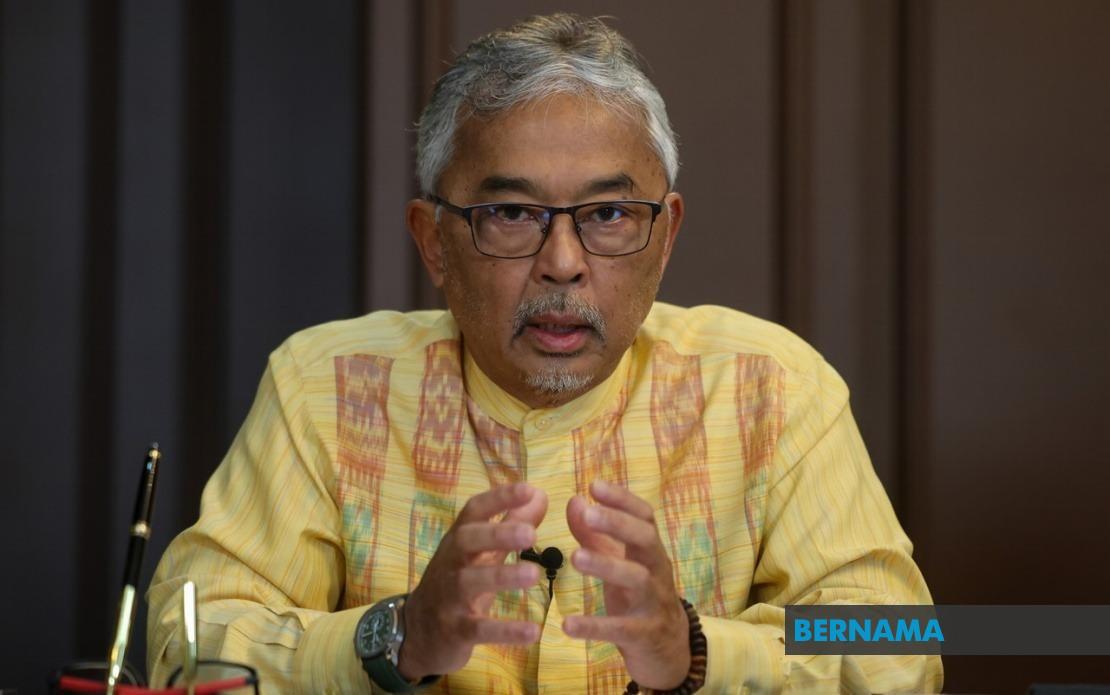
Al-Sultan Abdullah Ri'ayatuddin Al-Mustafa Billah Shah, the Sultan of Pahang, has mandated a comprehensive tree safety programme across the state, directing all local authorities to immediately begin assessing the structural condition of mature and oversized trees that present potential hazards to the public. The directive, issued in Kuantan on August 14, comes in direct response to a series of incidents in which falling trees have claimed lives and injured members of the community, prompting the royal leadership to prioritize preventative infrastructure management.
The scope of the inspection regime extends across multiple high-risk environments where public interaction with vegetation is commonplace. Local authorities must focus their evaluations on trees situated near residential neighbourhoods, along major and minor roadways, within public parks and recreational spaces, and in other frequently occupied areas where structural failure could endanger lives. The Sultan emphasized that these assessments cannot be conducted in isolation or on an ad hoc basis; instead, they require systematic, repeated evaluation cycles to monitor tree health deterioration over time.
The royal directive reflects a growing recognition among Malaysia's leadership that urban and municipal tree management constitutes a critical public safety responsibility. Falling trees represent a legitimate infrastructure hazard that municipalities across Southeast Asia have increasingly confronted as aging urban forests mature and climate patterns shift. The incidents prompting this order underscore how quickly a mature tree in decline can transition from an aesthetic or environmental asset to a lethal risk, particularly during monsoon seasons when wind speeds and soil saturation combine to destabilize root systems.
Central to the Sultan's instruction is the principle of identifying risk before catastrophe strikes. Rather than responding reactively to accidents—investigating causes only after someone has been killed or injured—the directive frames tree inspection as preventative governance. This represents a significant shift in how local authorities conceptualize their maintenance obligations, moving them from minimal conservation efforts to proactive hazard mitigation that requires dedicated resources and technical expertise.
Following identification of trees deemed dangerous, the Sultan made explicit that local authorities cannot delay corrective action. Trees assessed as posing immediate or foreseeable threats must be removed, pruned, or otherwise remediated without waiting for an accident to validate the precautionary decision. This language suggests concern that bureaucratic hesitation or budget constraints might otherwise delay necessary work, leaving hazardous trees standing in populated areas indefinitely.
The timing and nature of this directive carry implications for municipal governance across Malaysia. Local authorities in Pahang now face increased accountability for tree-related incidents, as the royal order establishes a clear expectation that comprehensive inspections have been undertaken and documented. Should a person be killed or injured by a falling tree in circumstances where prior inspection documentation suggests the hazard was identifiable, local authorities may face scrutiny for inadequate follow-up action.
From a practical perspective, the order requires substantial commitment of municipal resources. Systematic assessment of large trees requires trained arborists or certified tree inspectors, not general maintenance workers. Pahang's PBTs will need to either develop internal expertise or contract external specialists capable of accurately diagnosing structural defects, root disease, and stability risks. The frequency with which inspections should be repeated—particularly in tropical climates where fungal decay and pest damage accelerate—remains a resource planning challenge.
The public safety framing also reflects broader Southeast Asian challenges with aging urban vegetation. Many Malaysian cities planted substantial numbers of mature trees decades ago as part of green development initiatives; those trees are now entering senescence simultaneously, creating waves of infrastructure maintenance demand. Kahang, flowering, and other species valued for their size and canopy coverage are inherently prone to catastrophic failure when root systems are compromised, making proactive assessment genuinely essential rather than merely prudent.
The Sultan's emphasis on preventing loss of life and property damage speaks to the genuine consequences of delayed action. Unlike infrastructure failures affecting commerce or convenience, falling trees can immediately and irreversibly harm residents. The psychological impact on communities where tragic incidents occur—particularly when a child or family dies—extends beyond the immediate victims and creates legitimate public anxiety about municipal competence and safety prioritization.
For other Malaysian states and municipalities, Pahang's directive establishes a precedent and implicit standard. While not directly binding beyond Pahang's borders, the royal order signals that Malaysia's leadership expects systematic tree management as routine governance, not discretionary enhancement. States lacking comparable inspection regimes may face increasing pressure to implement similar programmes, particularly if subsequent accidents occur in jurisdictions with documented histories of deferring tree assessment.
The directive also aligns with evolving international standards for municipal vegetation management, where proactive inspection protocols are increasingly considered standard practice rather than exceptional vigilance. Cities from Singapore to Bangkok have implemented systematic tree inventory and monitoring systems, recognizing that accurate data on vegetation health enables more efficient resource allocation and better risk prediction.
Looking forward, the success of Pahang's initiative will depend substantially on whether local authorities translate the royal directive into sustained institutional practice. Initial inspection campaigns may identify substantial backlogs of hazardous trees requiring expensive removal or remediation, potentially straining municipal budgets. Sustaining regular inspection cycles, building technical capacity, and resisting pressure to defer expensive corrective actions will determine whether the order produces meaningful safety improvements or becomes a symbolic gesture eventually superseded by competing priorities.

