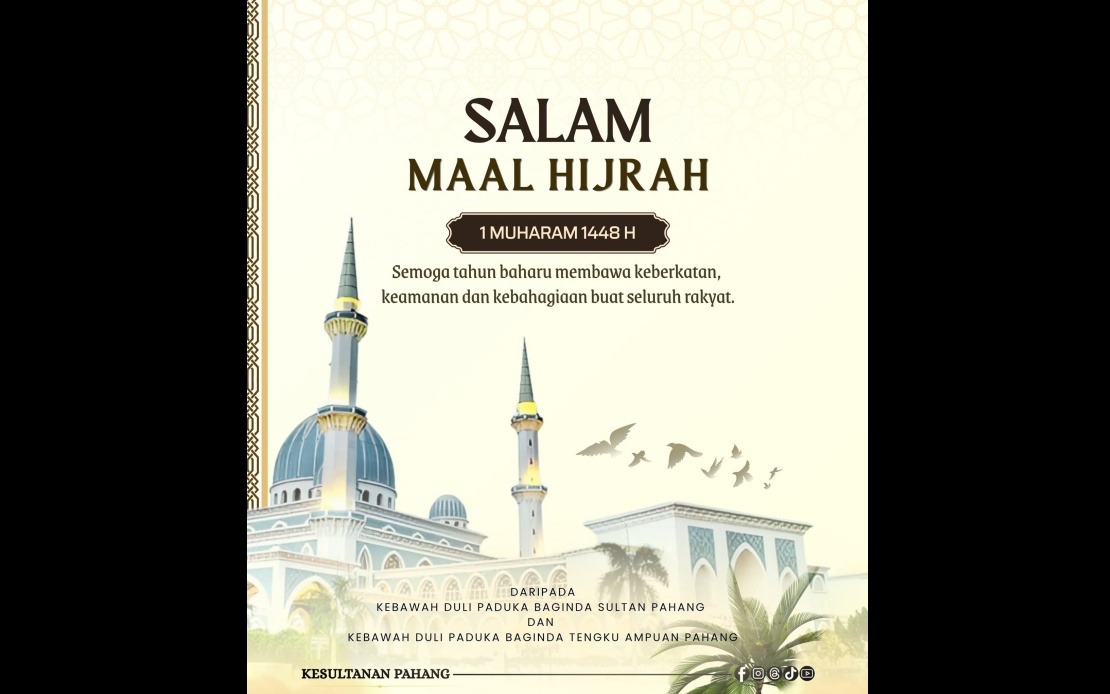
The Sultan of Pahang, Al-Sultan Abdullah Ri'ayatuddin Al-Mustafa Billah Shah, and the Tengku Ampuan of Pahang, Tunku Azizah Aminah Maimunah Iskandariah, have sent formal greetings to the Muslim community across the state to mark the Islamic new year 1448 Hijrah. The royal message was shared through the official Kesultanan Pahang social media platform, reaching residents during a significant moment in the Muslim calendar.
The occasion of Maal Hijrah, which commemorates Prophet Muhammad's migration from Mecca to Medina, holds deep spiritual significance for Muslims worldwide. For Malaysian Muslims, the day traditionally prompts reflection on personal conduct, community values, and collective progress. The Sultan and Tengku Ampuan's public acknowledgement of this occasion underscores the palace's role in reinforcing cultural and religious observance within Pahang society.
In their message, the royal couple extended wishes that the new year would usher in divine blessings, tranquillity, and contentment for all residents of the state. The greeting transcended mere ceremonial protocol by emphasizing the transformative potential of the Islamic calendar milestone. By framing Maal Hijrah as a moment of renewal, the palace communicated expectations that individuals and communities would use this juncture to evaluate their spiritual commitments and material conduct.
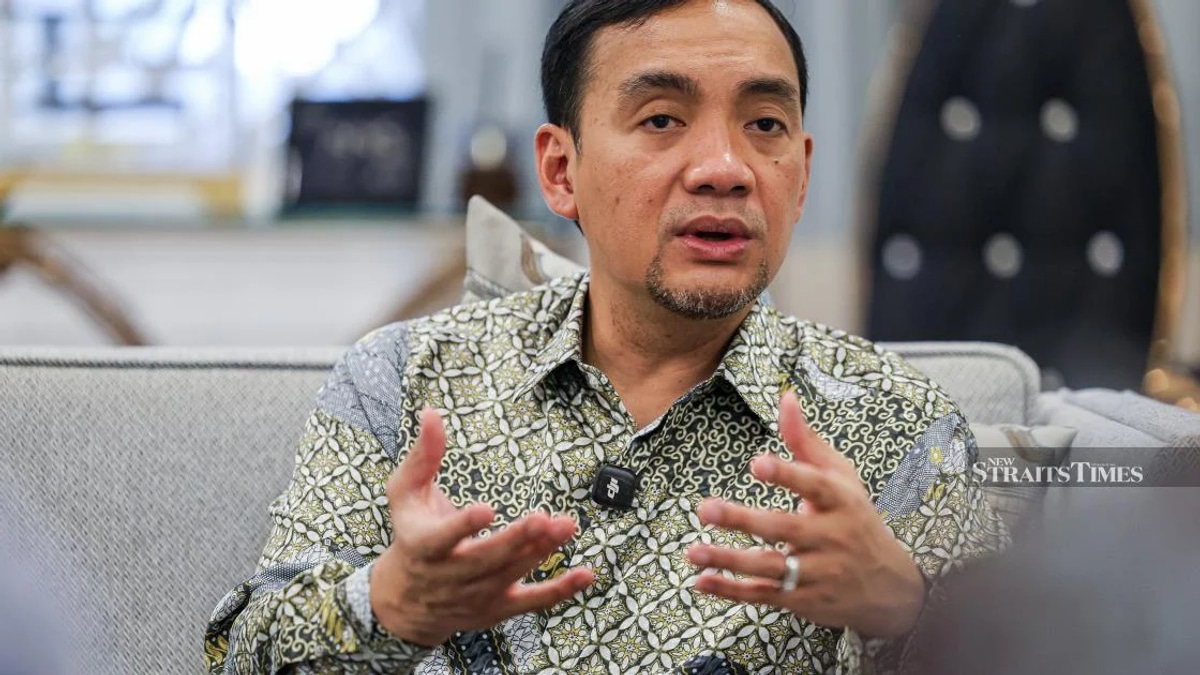
Pahang Menteri Besar Datuk Seri Wan Rosdy Wan Ismail amplified the royal sentiment through his own Facebook message, articulating how the new Islamic year should serve as a catalyst for Muslims to recalibrate their personal objectives and deepen their relationship with faith. His statement positioned Maal Hijrah not merely as a historical commemoration but as a practical opportunity for individuals to strengthen their devotion and expand their acts of charity and community service.
The Menteri Besar's remarks drew explicit parallels between Prophet Muhammad's transformative journey and the spiritual journey expected of contemporary believers. He urged Pahang residents to internalize the ethos of the Hijrah by embracing constructive change, fostering social cohesion, and embodying values of honesty and trustworthiness. This framing connected historical Islamic events directly to modern governance challenges and social aspirations within the state.
Wan Rosdy's call for strengthened unity holds particular resonance in the Malaysian context, where multi-ethnic and multi-religious populations require deliberate cultivation of shared civic values. By invoking Islamic principles of integrity and collective well-being, the Menteri Besar signalled that religious observance and good governance are mutually reinforcing concepts. His reference to developing the state and enhancing public welfare indicated that religious renewal should translate into tangible improvements in residents' daily lives.
The emphasis on sacrifice and steadfastness in both messages reflects a broader understanding within Pahang's leadership that meaningful progress demands sustained effort and commitment. Rather than treating Maal Hijrah as a ceremonial day confined to religious observance, state leaders presented it as an inflection point for galvanizing collective action toward shared developmental goals. This approach aligns with how other Malaysian states and federal institutions leverage religious occasions to reinforce public sector values and social responsibilities.
For Pahang specifically, these greetings arrive at a moment when the state continues navigating economic diversification, infrastructure development, and social cohesion initiatives. The royal and executive messages implicitly linked spiritual renewal to institutional effectiveness, suggesting that public servants and residents alike should approach their responsibilities with renewed moral clarity and commitment to the common good. This messaging strategy has become increasingly sophisticated in Malaysian governance, where religious occasions are integrated into broader public communication about state priorities and expectations.
The public nature of these greetings through social media platforms demonstrates how modern Malaysian institutions communicate with citizens. Digital channels enable immediate, widespread dissemination of leadership messages while creating space for public engagement and response. For a diverse state population, social media platforms allow individuals to receive the greetings in their preferred languages and share them within their own networks, amplifying their impact beyond formal ceremonial settings.
The Maal Hijrah occasion also serves as a regular reminder of Islamic principles within Malaysia's constitutional framework, where Islam holds a special position. State-level recognition of Islamic observances reinforces the religious dimension of Malaysian citizenship while respecting the diverse beliefs of non-Muslim populations. Pahang's leadership, through these messages, demonstrated how religious acknowledgement can be integrated into inclusive governance discourse.
Looking forward, these greetings establish implicit expectations for individual and institutional behaviour in the months ahead. By invoking the spirit of the Prophet's migration and the values it represents, Pahang's leadership has subtly articulated standards for integrity, community service, and developmental commitment that will presumably be referenced throughout the Islamic year. For residents and government servants alike, the messages function as both spiritual encouragement and performative reminder of their obligations to the state and each other.
The coordinated messaging from the palace and the Menteri Besar's office reflects a unified leadership approach to marking significant dates in the Islamic calendar. This synchronization demonstrates how constitutional monarchies in Malaysia ensure continuity between ceremonial and executive authority, with both institutions reinforcing complementary messages about faith, governance, and collective progress. For Pahang residents, these greetings signify that religious observance remains integral to the state's institutional identity and public culture.