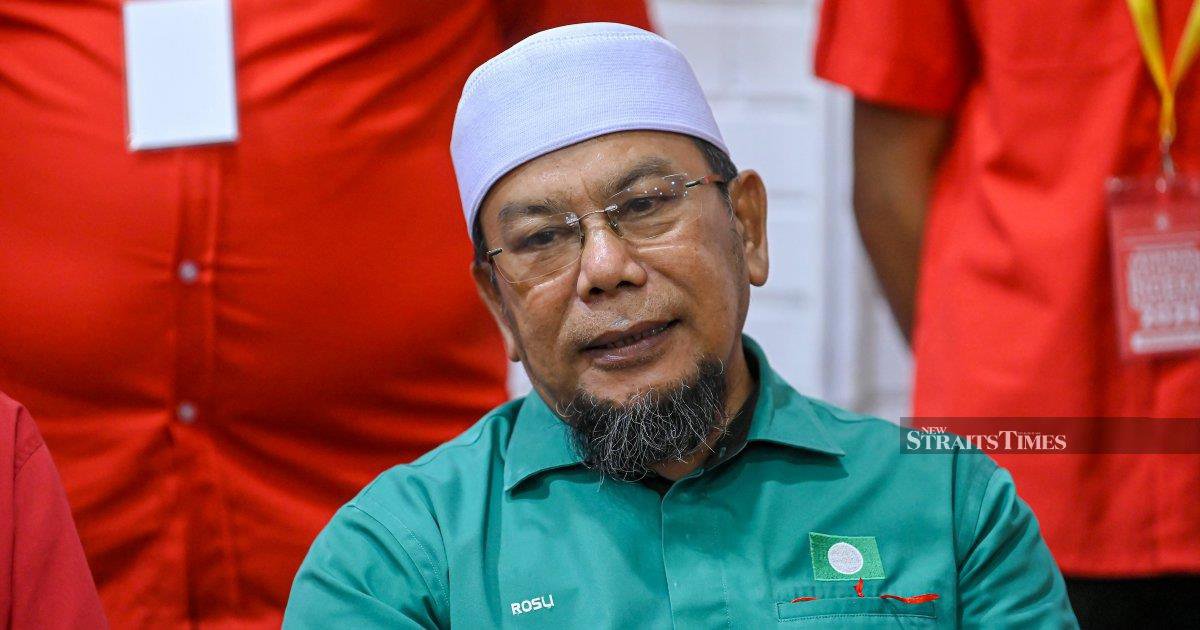
The political landscape in Pahang continues to shift as PAS signals a pragmatic willingness to explore cooperation with Umno, even as both parties weigh the possibility of contesting against each other in future elections. This calculated positioning reflects the delicate balance that Pahang's Islamist party must maintain between its national coalition commitments and state-level political realities that could fundamentally reshape the state's governance.
PAS leaders in Pahang have indicated that doors remain open for meaningful dialogue with Umno despite underlying tensions and historical rivalries between the two parties. This stance comes at a critical juncture when Malaysian political coalitions remain fluid, with various states experimenting with different partnership configurations. The party's approach suggests a recognition that Pahang's political future may be best served through collaborative arrangements rather than divisive competitions that could fragment the Malay-Muslim political vote.
The significance of this development lies in understanding the broader context of Umno-PAS relations across Malaysia. Both parties draw support from overlapping constituencies, particularly rural and semi-rural Pahang communities where Islamic governance credentials and developmental promises carry substantial weight among voters. Rather than engaging in mutually destructive electoral battles that historically divided these constituencies, PAS appears willing to negotiate arrangements that could benefit both parties and maintain political stability in the state.
Umno's position in Pahang has undergone considerable evolution in recent years, with the party recovering ground lost during the Perikatan Nasional experiment and seeking to reassert dominance in the state where it traditionally held strong footing. For Umno, cooperation with PAS presents both opportunities and risks—the chance to consolidate the Malay-Muslim vote while potentially ceding influence to a rival that has demonstrated electoral appeal, particularly among younger voters and urban Malay-Muslims who find PAS's Islamic framework compelling.
The possibility of electoral competition, however, cannot be discounted despite PAS's cooperative signals. Election dynamics are unpredictable, and both parties face pressure from grassroots elements that may view cooperation with traditional rivals as compromising their respective ideological positions. Local PAS activists in Pahang districts may resist any arrangement that appears to subordinate the party's electoral prospects to Umno's interests, particularly in constituencies where PAS has established competitive presence.
From a Malaysian perspective, Pahang's political trajectory carries implications beyond the state itself. The state serves as a testing ground for different coalition models that could influence national-level arrangements. If Umno and PAS successfully navigate cooperation in Pahang, it could provide a template for other states where similar tensions exist. Conversely, if these efforts collapse into electoral confrontation, it would signal that Malay-Muslim political divisions remain too deep for pragmatic accommodation despite surface-level unity rhetoric.
The economic dimensions of this political positioning warrant attention as well. Pahang's development agenda—particularly initiatives relating to agriculture, tourism, and industrial diversification—requires stable governance and access to federal funding mechanisms that align with whichever coalition controls the state. PAS's willingness to cooperate with Umno may reflect calculations about resource allocation and developmental priorities that transcend purely political considerations, with recognition that competing parties neither party can deliver comprehensive development without some degree of cooperation.
Electoral mathematics also favour some form of arrangement between PAS and Umno in Pahang. The state's constituencies contain sufficient numbers of seats where either party running unopposed against common opposition rivals would likely secure victory, whereas direct competition between them could result in opposition parties capitalizing on divided votes. This utilitarian logic may be what drives PAS's public messaging about maintaining open channels with Umno, even if behind-the-scenes negotiations remain contentious and detailed power-sharing arrangements remain unresolved.
The timing of these signals is noteworthy, coming as Malaysia's political landscape undergoes continuous recalibration following recent elections and ongoing coalition adjustments at federal and state levels. PAS leadership appears to be positioning the party as a responsible political actor willing to prioritize governance stability and voter interests over narrow partisan advantage, a framing that carries potential reputational benefits even if cooperation negotiations ultimately fail to materialize into concrete agreements.
Critical observers note, however, that such cooperative signals must be evaluated against historical track records of Umno-PAS negotiations that frequently produced disappointing outcomes for PAS, with the Islamic party consistently securing fewer electoral opportunities and ministerial portfolios than bargaining power might suggest. Pahang PAS must therefore balance openness to cooperation with vigilance against arrangements that would substantially compromise the party's growth trajectory and electoral competitiveness in constituencies where it has invested organizational resources and cultivated support bases.
The forthcoming months will prove revealing regarding whether PAS's apparent flexibility translates into binding electoral arrangements or whether Pahang becomes another arena where both parties compete aggressively. For Malaysian observers and particularly for Pahang voters seeking stable governance paired with effective resource utilization, the stakes extend beyond factional politics to encompass fundamental questions about whether Malaysia's major political entities can transcend competitive imperatives sufficiently to serve collective state interests.

