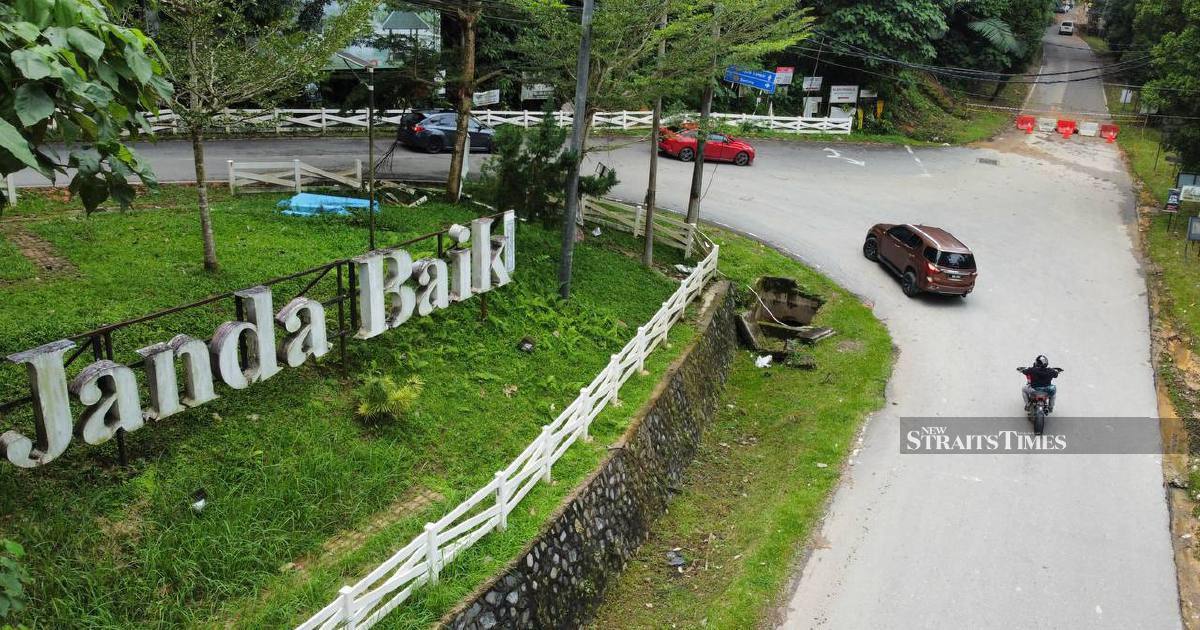
The Pahang State Health Department has initiated a formal investigation into reports that visitors to a popular recreational area near Bentong contracted food poisoning after swimming in the river. The inquiry focuses on the circumstances surrounding multiple illness cases reported in connection with activities at the Janda Baik site, a destination known for attracting families and tourists seeking natural outdoor experiences in the eastern state.
The exact number of affected individuals and the timeline of symptom onset remain under scrutiny as health officials gather statements and examine the conditions at the location. Preliminary reports suggest that visitors engaged in water-based activities at the river, though the specific mechanism of contamination—whether through direct water contact, consumption of food at the site, or other vectors—is still being determined. The department's investigation protocol typically involves interviews with affected individuals, environmental sampling, and a thorough assessment of food preparation facilities if commercial operations were present.
Janda Baik holds significant appeal as a weekend destination for residents of Kuala Lumpur and surrounding Klang Valley areas, positioned approximately 60 kilometres north of the federal capital. Its accessible location, cool highland climate, and river attractions have established it as a favoured spot for picnicking, swimming, and camping activities. The recreational site's popularity means that contamination incidents occurring there could potentially affect a substantial number of visitors, making timely investigation and public health communication especially important.
Food poisoning outbreaks linked to recreational sites often stem from inadequate sanitation practices, improper food storage in outdoor settings, or water contamination from natural or human sources. In Malaysian river environments, factors such as upstream agricultural runoff, wildlife activity, or inadequate waste management at recreational facilities can contribute to microbial contamination. The river's bacterial or parasitic load, if elevated, could pose risks to swimmers, particularly those with compromised immune systems or existing gastrointestinal vulnerabilities.
The Pahang Health Department's investigation represents a necessary precaution in identifying root causes and preventing further incidents. Health authorities typically coordinate with local council enforcement officers and the Department of Environment to assess water quality and facility sanitation standards. If food preparation areas are identified as the contamination source, vendors operating at the site may face temporary closure orders pending compliance with food safety regulations. Water quality testing by environmental authorities would establish whether the river itself poses a direct health hazard requiring public advisories.
This incident underscores broader concerns about oversight at popular recreational destinations across Malaysia, where visitor volume often exceeds the capacity of existing health and safety infrastructure. Many such sites operate in semi-regulated environments where commercial food vendors and informal accommodation providers operate alongside minimal formal supervision. The balance between preserving natural attractions' accessibility and ensuring visitor safety remains an ongoing challenge for local authorities.
For potential visitors to Janda Baik and similar sites, the investigation may prompt increased caution regarding food sourcing and water safety. Families planning recreational outings at river locations would be prudent to bring provisions from established sources, avoid swallowing river water, and practise basic hygiene protocols. The Health Department typically issues public advisories once investigation findings are available, providing guidance on the site's safety status and any recommended precautions.
The timing of this investigation coincides with the school holiday period in Malaysia, when recreational sites experience peak visitor numbers. Increased foot traffic during holiday seasons can strain existing sanitation facilities and increase the probability of contamination incidents occurring. Local authorities in tourist-destination areas often face capacity challenges during peak seasons, potentially compromising their ability to maintain hygiene standards across food vendors and public facilities.
Pahang's health authorities have not yet released detailed findings or identified specific causative agents responsible for the reported illnesses. Confirmation of food poisoning typically requires laboratory analysis of stool samples from affected individuals and, if applicable, food samples or environmental swabs from the suspected source. The investigation's duration and complexity will depend on the number of cases, the diversity of symptoms reported, and the availability of biological specimens for testing.
This situation reflects the importance of standardised health protocols at recreational facilities nationwide. While popular sites like Janda Baik contribute significantly to domestic tourism and provide accessible outdoor experiences for Malaysian families, their operation must be accompanied by adequate health surveillance mechanisms. Regular inspections of food vendors, water quality monitoring, and sanitation facility maintenance represent fundamental requirements that protect public health while allowing these destinations to remain viable attractions.
The investigation's outcome may inform broader policy discussions within Pahang's local government and the Ministry of Health regarding oversight frameworks for recreational sites. Enhanced vendor licensing, mandatory food safety training, and periodic water quality assessments could strengthen protections for the thousands of visitors these locations attract annually. Until health authorities complete their inquiry, residents seeking river recreation in the region should monitor official health department communications for any guidance regarding Janda Baik's status.