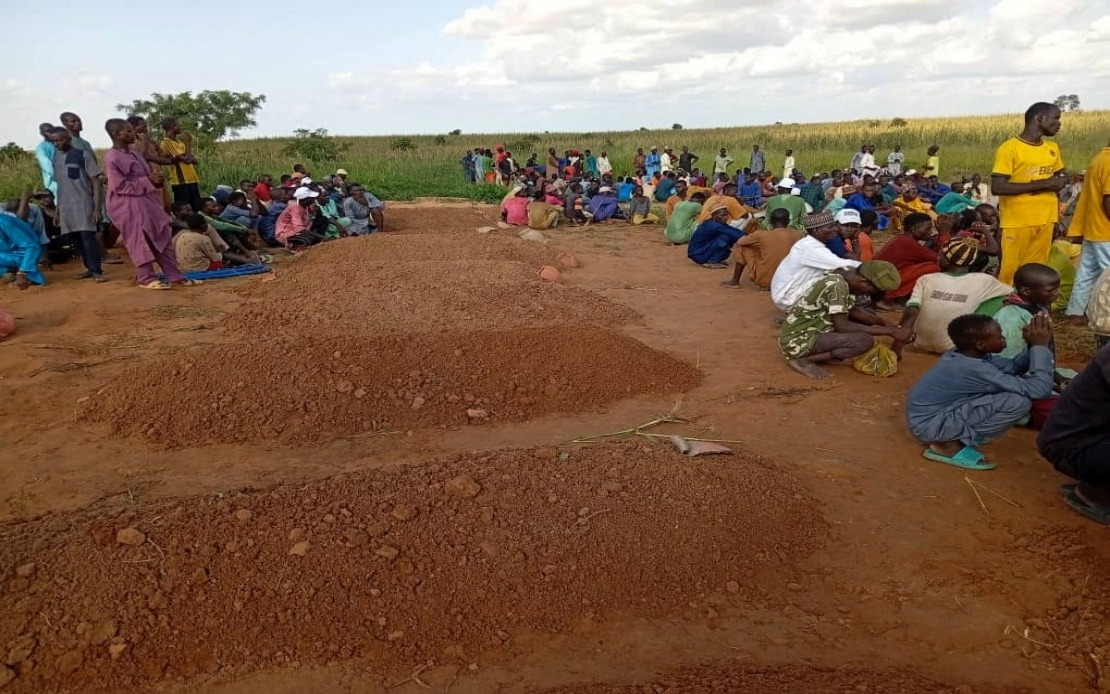
A tragic maritime disaster in northwestern Nigeria claimed the lives of more than 40 people when an overcrowded boat sank near Gorau town in Sokoto State's Goronyo Local Government Area on Thursday. The vessel, carrying approximately 70 passengers including farmers and labourers heading to rice fields for planting and harvesting activities, overturned as it navigated the waterway during the rainy season. Local authorities and eyewitnesses confirmed the scale of the tragedy, with initial death toll estimates ranging from 40 to 47 recovered bodies.
According to Abdulkadir Yusuf, manager of the National Inland Waterways Authority (NIWA) in Sokoto State, officials were still verifying the exact number of fatalities. However, accounts from those present at the scene painted a grimmer picture. A witness interviewed by international news agencies reported approximately 47 corpses, many shrouded in traditional burial cloths and mats, gathered at a community mosque in Gorau in preparation for evening funeral rites. Local resident Samaila Garba, who personally counted at least 42 bodies, lost his 13-year-old granddaughter Jamila Usman in the disaster.
The composition of victims reveals a particularly devastating human cost, as lawmakers and residents indicated that the majority of those aboard were children aged between 10 and 15 years. Nasiru Adamu, the lawmaker representing the area in the Sokoto State House of Assembly, explained that while nearly 70 people had been on the vessel, rescue operations managed to pull 16 survivors from the water. The predominance of young passengers suggests families may have travelled together for seasonal farming activities, a common practice in rural agricultural communities across northwestern Nigeria.
Search and recovery efforts were ongoing at the time of reporting, with local divers continuing operations in the waterway to locate any additional survivors or remain bodies. The rescue response, while mobilised relatively quickly, faced challenges typical of remote rural areas with limited emergency infrastructure. Authorities worked alongside community members to coordinate the recovery and identification of the deceased, processes complicated by the scale of casualties and the need for traditional burial preparations.
This calamity represents the latest in a troubling pattern of waterway fatalities in Nigeria, drawing renewed attention to systemic safety failures affecting the country's inland navigation systems. The accident occurs during Nigeria's rainy season, a period when water transport becomes more hazardous yet simultaneously more essential for communities with limited road access. Factors including overcrowding on vessels designed for smaller passenger loads, inadequate maintenance of boats, and insufficient enforcement of maritime safety regulations have created dangerous conditions that repeatedly claim lives.
The broader context of waterway safety across Nigeria reveals institutional weaknesses that extend beyond single incidents. Maritime authorities lack the resources to conduct regular inspections and safety audits. Boat operators, often motivated by economic pressures and the need to maximise revenue per trip, routinely ignore capacity restrictions and safety requirements. Passengers, particularly in rural areas where waterways serve as the primary transportation route, have limited knowledge of their rights and few practical alternatives to dangerous vessels.
Just months earlier, in January, a comparable tragedy unfolded in Yobe State in northeastern Nigeria when a leaking boat sank and killed at least 25 people. That incident, like the Sokoto disaster, highlighted how preventable accidents continue to devastate communities across the country. The recurring nature of these tragedies suggests that temporary policy responses and public outcries have failed to produce sustained, comprehensive reforms addressing root causes.
For Malaysian readers and policymakers, the Nigerian situation offers cautionary lessons relevant to Southeast Asia's own waterway safety challenges. Countries throughout the region, including Malaysia, depend on inland and coastal water transport for commerce and passenger movement, particularly in rural and remote areas. Ensuring adequate vessel maintenance, enforcing realistic capacity limits, conducting regular safety audits, and providing proper crew training represent non-negotiable standards that require consistent political will and budgetary commitment.
The Sokoto capsizing underscores how maritime disasters disproportionately affect vulnerable populations, including children and agricultural workers with limited bargaining power. Addressing waterway safety requires not only technical and regulatory measures but also social policies protecting workers and passengers from economic exploitation. Companies and operators who cut corners on safety to increase profits must face meaningful consequences, while investments in alternative transportation infrastructure can reduce dependence on inherently risky water routes.
As Nigeria's maritime authorities investigate this incident and consider response measures, the fundamental question remains whether this tragedy will catalyse meaningful systemic change or fade into collective memory before the next preventable disaster. The pattern suggests pessimism is warranted absent decisive intervention. International maritime standards exist and proven practices for preventing such accidents are well documented. What is required now is the political commitment and sustained resource allocation to implement and enforce them consistently.

