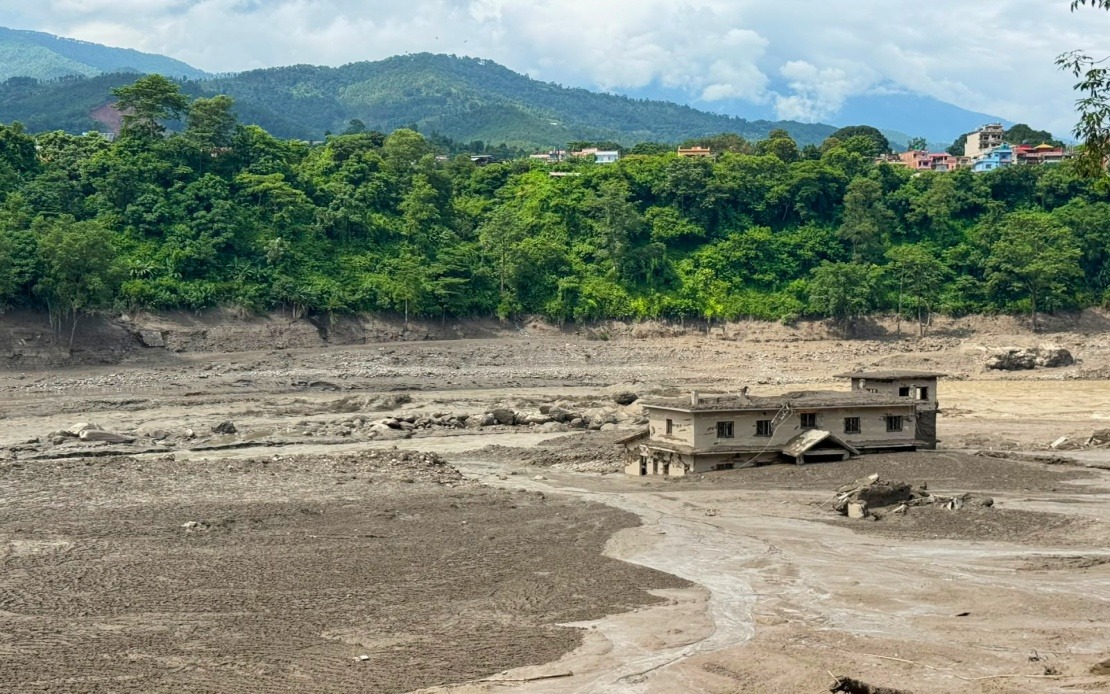
A major humanitarian crisis has unfolded in Nepal following severe flooding that has left more than 380 tourists missing, the Nepal Tourism Board announced on Wednesday. Among those unaccounted for are 291 foreign nationals and 93 Nepali citizens, with the list spanning multiple continents and raising urgent concerns about the safety of international visitors caught in the disaster zone.
The missing persons include 17 Malaysians, making this incident particularly significant for the Southeast Asian nation, where Nepal remains a popular trekking and tourism destination. Other missing tourists hail from India, which accounts for more than 100 of those unaccounted for, alongside 12 British nationals, four South Africans, three United States citizens, and one Australian and one Dutch citizen respectively. The nationalities of an additional 111 individuals have not yet been confirmed, underscoring the scale of confusion and logistical challenges facing authorities attempting to account for everyone in the affected zones.
The Nepal Tourism Board emphasized that its preliminary assessment is based on agency-wise records compiled from tourism operators and travel companies operating in the country. The board stated that it is actively verifying and cross-checking the information through coordination with travel agencies, mountain guides, local authorities, and security agencies. This multi-layered verification process highlights the complexity involved in tracking missing persons across remote and flood-affected terrain where communication infrastructure may have been damaged.
For Malaysian travellers and their families, the situation underscores the inherent risks associated with trekking and adventure tourism in mountainous regions vulnerable to sudden weather events. Nepal, particularly the Himalayan trekking regions, attracts thousands of Malaysian tourists annually seeking authentic wilderness experiences. The Annapurna and Everest base camp trails remain among the most popular trekking routes for adventure seekers from the region, though they carry significant exposure to flash floods and landslides during monsoon seasons.
The disaster has prompted authorities to issue high-alert warnings for communities downstream of affected areas. This precaution reflects growing concerns that water levels could rise further, potentially threatening additional settlements and complicating ongoing rescue operations. The timing of the floods during peak tourist season has amplified the crisis, as numerous international groups would typically be trekking in the region during this period.
From a regional perspective, this incident serves as a stark reminder of the vulnerabilities faced by Southeast Asian tourists venturing into high-risk natural environments. While Nepal's tourism industry depends heavily on international visitors—many originating from Malaysia, Indonesia, and other ASEAN nations—preparedness for extreme weather events and rapid communication protocols remain areas requiring significant strengthening. The dispersed nature of trekking groups across remote mountain valleys means that some missing persons may take considerable time to locate, even if they survived the initial flooding.
The involvement of professional tourism operators and guides is crucial to the verification process. These companies typically maintain detailed records of client movements, intended routes, and expected check-in times. However, rapid onset flooding and disrupted communications during the disaster may have prevented timely updates, leaving families and operators uncertain about travellers' whereabouts for extended periods.
For Malaysian authorities and the Foreign Ministry, the substantial number of missing nationals requires immediate diplomatic engagement with Nepal's government. Coordinating search and rescue efforts, obtaining timely updates on any identified survivors among Malaysian tourists, and providing consular support to affected families will be priority concerns. The Malaysian embassy in Kathmandu will likely mobilise resources to assist stranded nationals and facilitate information sharing with families back home.
The scale of this tourism disaster reflects how quickly natural disasters in mountainous regions can transform from localised weather events into major international incidents. The interconnected nature of global tourism means that a single weather system affecting Nepal reverberates across multiple countries with significant Malaysian representation among the affected. Insurance companies, tour operators, and tourism boards across the region will be reviewing protocols and emergency response mechanisms in light of this incident.
Searching for missing persons across flood-affected mountainous terrain presents extraordinary challenges. Landslides triggered by heavy rainfall can render trails impassable, destroy landmarks used for navigation, and create new hazards for rescue teams. The verification process being undertaken by the Nepal Tourism Board, while methodical, inherently involves a lag between actual developments on the ground and confirmed reports reaching authorities. This lag period creates uncertainty for families worldwide awaiting news of their missing relatives.
The incident will likely prompt broader discussions within Malaysia's travel and tourism industry about risk management, insurance requirements for high-altitude trekking, and communication protocols during emergencies. Tour operators catering to Malaysian tourists will face increased scrutiny regarding their safety standards and preparedness procedures. Similarly, trekkers will need to weigh the appeal of Nepal's natural beauty against the demonstrated risks of venturing into regions prone to sudden weather-related disasters.

