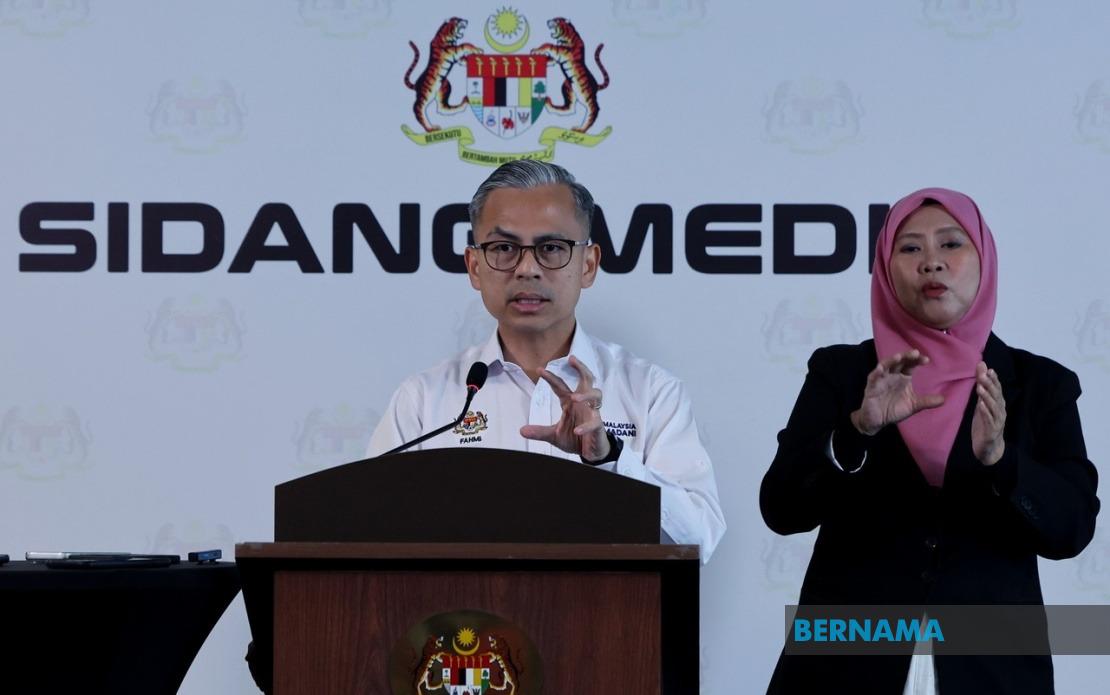
Between 35 and 40 Members of Parliament have signalled their intention to participate in a forthcoming special Dewan Rakyat sitting dedicated to debating the findings of the Royal Commission of Inquiry into Tabung Haji, Communications Minister Datuk Seri Fahmi Fadzil announced at a press conference in Putrajaya. The extraordinary parliamentary session has been scheduled for August 11, with proceedings commencing at 10 am and continuing into the afternoon without scheduled breaks, an arrangement that Dewan Rakyat Speaker Tan Sri Johari Abdul has already endorsed.
The strong parliamentary interest underscores the significance of the RCI investigation into Malaysia's pilgrimage savings institution, which has been at the centre of public concern over the past several years. The readiness of over three dozen lawmakers to contribute to the debate reflects widespread recognition across the political spectrum that the matters raised by the RCI warrant thorough parliamentary scrutiny and discussion. The government has ensured that members of the public will have direct access to the proceedings, with arrangements made for live streaming via official Dewan Rakyat broadcasting channels, a move that enhances transparency and public accountability around the inquiry's conclusions.
The RCI report, which was uploaded to the Department of Islamic Development Malaysia's official portal on July 29, represents the culmination of an investigation spanning the period between 2014 and 2020. The inquiry examined both the management structures and operational practices that governed Tabung Haji during this critical period, identifying numerous concerning investment decisions that contributed to a substantial erosion of the institution's asset base. The findings have raised significant questions about the stewardship of funds accumulated by millions of Malaysian Muslims in preparation for the Hajj pilgrimage, making the upcoming parliamentary debate a matter of substantial national importance.
The commission's conclusions paint a troubling picture of governance challenges within the organisation. Beyond simply documenting problematic investment choices, the RCI unearthed evidence pointing to transactions that appeared suspicious in nature and instances where relevant information appears to have been deliberately concealed from stakeholders. These findings suggest systemic issues that extend beyond simple investment misjudgement, potentially indicating governance failures that warrant deeper examination. The RCI has consequently recommended that a forensic audit be conducted into the investment decisions made during the review period, a recommendation that will likely feature prominently in the August 11 parliamentary discussion.
For Malaysian policymakers and the broader Southeast Asian region, the Tabung Haji situation serves as an important case study in institutional accountability and the governance of religious trust funds. The institution manages substantial sums on behalf of ordinary Malaysians, primarily lower and middle-income earners saving toward one of Islam's five pillars. The apparent mismanagement of these sacred savings raises profound questions about fiduciary responsibility and the mechanisms through which religious institutions are supervised in plural democracies. The parliamentary debate will provide an opportunity for lawmakers to examine not only what went wrong but also what systemic reforms might prevent similar occurrences.
The RCI's investigation methodology and its access to institutional records will also likely become subjects of parliamentary discussion. Members may seek clarification on the scope of the inquiry, the evidence examined, and the reasoning behind specific conclusions. The participation of 35 to 40 MPs suggests that various political perspectives and constituencies will be represented in the debate, potentially offering diverse viewpoints on both the problems identified and the appropriate remedial measures. This breadth of participation could enrich the parliamentary discourse and ensure that multiple stakeholder concerns are aired and considered.
From a regulatory and governance perspective, the findings carry implications for how Malaysia supervises other religious and cultural institutions that manage collective funds. The Tabung Haji RCI conclusions may prompt broader reviews of similar bodies' internal controls, audit practices, and accountability frameworks. Regional neighbours managing similar pilgrimage-related funds or other community savings mechanisms may also observe the Malaysian experience and extract lessons applicable to their own regulatory frameworks. The debate itself becomes a form of institutional learning that extends beyond the immediate parliamentary chamber.
The government's commitment to holding a continuous parliamentary session without breaks demonstrates recognition of the issue's gravity and the need for comprehensive discussion. Rather than confining remarks to standard parliamentary time allocations, which are often constrained by procedural time limits, the uninterrupted sitting will allow for more extensive exploration of the RCI's findings. This format suggests that policymakers anticipate a substantial volume of parliamentary questions and observations, reflecting the widespread public and political interest in understanding what transpired and how accountability will be established.
The August 11 sitting will likely address not only the RCI's specific findings but also the remedial actions already undertaken or planned in response to the commission's recommendations. Members will probably seek assurances regarding the implementation of the recommended forensic audit, the timeline for such examination, and any interim measures to protect Tabung Haji's remaining assets and restore stakeholder confidence. The debate will also provide a platform for affected pilgrims and the broader Muslim community to understand official positions on compensation, restoration, and future governance arrangements.
Public access to the live proceedings represents a significant step in ensuring that the findings and parliamentary response reach those most directly affected. Tabung Haji contributors and their families, having entrusted their savings to the institution, deserve direct visibility into how their representatives address the revealed governance failures. The broadcasting decision also satisfies broader principles of governmental transparency and democratic accountability, allowing civil society organisations and independent observers to monitor how parliamentary institutions respond to institutional malfeasance. This accessibility may also influence public confidence in parliamentary oversight mechanisms more generally.
The RCI report's recommendations, particularly the forensic audit proposal, suggest that the investigation uncovered issues sufficiently complex or contentious to warrant specialist examination beyond the commission's initial scope. The parliamentary debate will determine whether additional investigatory resources are allocated, whether external auditors with forensic expertise will be engaged, and what timeline will apply to their work. These procedural and resource questions are as significant as the substantive issues the audit will examine.

