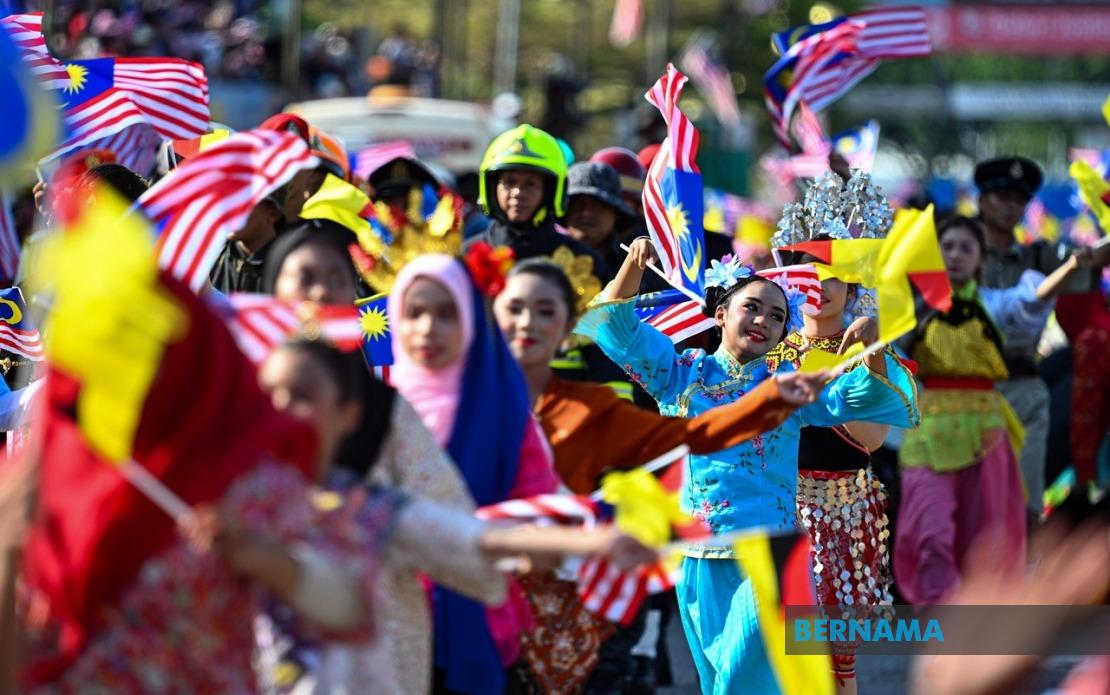
The Negeri Sembilan National Day celebration on August 31 drew an impressive crowd of more than 30,000 people from diverse communities and backgrounds, transforming Dataran Majlis Bandaraya Seremban into a vibrant showcase of national pride and unity. The scale of attendance underscored the public's appetite for organised patriotic gatherings, with visitors streaming into the venue from the early hours to secure advantageous viewing positions for the main parade and cultural programme.
Menteri Besar Datuk Ismail Lasim attributed the exceptional turnout to widespread enthusiasm for celebrating Malaysia's nationhood, noting that individuals he encountered at the event had arrived as early as 5.30 am. This dedication reflected deeper sentiment about national pride and appreciation for the country's independence, he observed. The chief minister emphasised that such spontaneous public participation demonstrated the enduring emotional connection Malaysians maintain with the annual commemoration of their nation's founding.
The Yang Dipertuan Besar of Negeri Sembilan, Tuanku Muhriz Tuanku Munawir, and Tunku Ampuan Besar Tuanku Aishah Rohani Tengku Besar Mahmud officially opened the proceedings at approximately 8.20 am, setting the formal tone for the extended programme that followed. Their presence lent ceremonial significance to the gathering and reinforced the constitutional importance the state places on commemorating national independence.
Organisers fielded a notably comprehensive parade featuring 82 contingents encompassing more than 4,000 participants drawn from government ministries and agencies, statutory authorities, district offices, civil society organisations, educational institutions ranging from primary schools through universities, and major private sector employers. This broad representation reflected an integrated community approach to national celebration, ensuring multiple segments of Negeri Sembilan society participated visibly in the public commemoration.
The Main Guard of Honour consisted of three commissioned officers and 103 other ranks from the 15th Battalion Royal Malay Regiment stationed in Senawang, commanded by Major Dr Muhammad Hazim Abdul Qhalib. Lieutenant Ahmad Izzudin Abdul Kadir carried the unit's Colours, while Warrant Officer 1 Darul Azhar Mohamed served as Regimental Sergeant Major. This distinguished military component provided ceremonial gravitas and demonstrated the armed forces' active role in preserving and celebrating national symbols.
A combined military brass band comprising musicians from the 24th Battalion Royal Malay Regiment and the Malaysian Army Basic Training Centre performed under Drum Major Warrant Officer 2 Azwan Zakaria, accompanying the parade with traditional and contemporary martial compositions including Sembah Tari, Aladom, Seruan Tentera and Tentera Benteng. The musical accompaniment enhanced the ceremonial atmosphere and connected participants to military heritage and national historical narratives.
Menteri Besar Ismail explained that organisers had intentionally reduced the number of parade contingents and defence assets compared to previous years, citing concerns about potential health impacts from haze exposure given the extended duration of such events. This pragmatic decision prioritised public wellbeing while maintaining programme comprehensiveness. Although haze conditions proved manageable on the day itself, the precautionary approach reflected official sensitivity to environmental factors affecting large public gatherings in Malaysia.
Defence and security agencies showcased an array of operational vehicles and equipment, including vintage automobiles and restored bicycles that generated considerable spectator interest throughout the celebration. The Malaysian Armed Forces, Royal Malaysia Police, Immigration Department, Fire and Rescue Department of Malaysia, Health Ministry, Malaysian Civil Defence Force and Seremban City Council all fielded representatives and displays, collectively demonstrating the security and administrative apparatus supporting national functions.
Siti Ruayiza Rebin, a 42-year-old housewife, exemplified the intergenerational transmission of patriotic values through regular attendance at National Day events. She reported consistently bringing her three children, now aged 19, 15 and 12, since their infancy, deliberately cultivating their understanding of independence's significance and fostering appreciation for sacrifices made by preceding generations. This parental strategy of experiential civic education illustrated how families instrumentalise public celebrations to embed national consciousness in younger cohorts.
Mohd Khairul Azmi, a 45-year-old private sector employee, similarly accompanied his two young children aged five and seven to witness the parade and observe military equipment rarely displayed publicly. He deliberately arrived at 6 am to secure optimal viewing positions, demonstrating the logistical commitment families invest in ensuring meaningful exposure to such events. He articulated that National Day celebrations serve educational functions beyond ceremonial observance, teaching children historical awareness and recognition of earlier generations' nation-building contributions.
The event's success reflected broader Malaysian patterns of civic engagement during national holidays, particularly among families seeking to instil patriotic consciousness in their children. These celebrations provide tangible contexts where abstract concepts of nationhood and independence become experientially real through participation in collective gatherings and exposure to national symbols, military heritage and community solidarity. The substantial Negeri Sembilan turnout suggests sustained public appetite for such organised expressions of national identity, notwithstanding demographic and environmental changes affecting event planning and execution.
For Malaysian communities across the peninsula, successful state-level National Day observances serve important functions beyond symbolic commemoration. They constitute opportunities for officials to affirm governmental responsiveness to public sentiment, enable citizens to experience shared nationhood across diverse social backgrounds, and create platforms for younger generations to absorb historical narratives underpinning contemporary political identity. The Negeri Sembilan celebration demonstrated these dynamics operating effectively at the regional level, translating national commemoration into lived experiences of community belonging and patriotic commitment.

