The Department of Orang Asli Development (JAKOA) has confirmed that approximately 224,559 members of Orang Asli communities throughout Peninsular Malaysia are receiving assistance through a broad range of government programmes administered by the Ministry of Rural and Regional Development. These initiatives represent a sustained commitment to ensuring that indigenous populations have equitable access to social services and development opportunities that align with national economic and social goals.
The scale and scope of JAKOA's intervention demonstrates recognition that Orang Asli communities, despite their historical presence in Malaysia, have historically faced barriers to accessing mainstream services and economic participation. The programmes are deliberately structured to address lifecycle needs, beginning with support for vulnerable infants and extending through to pensioner assistance for elderly members. This comprehensive approach reflects understanding that sustainable development requires investment across multiple generations simultaneously.
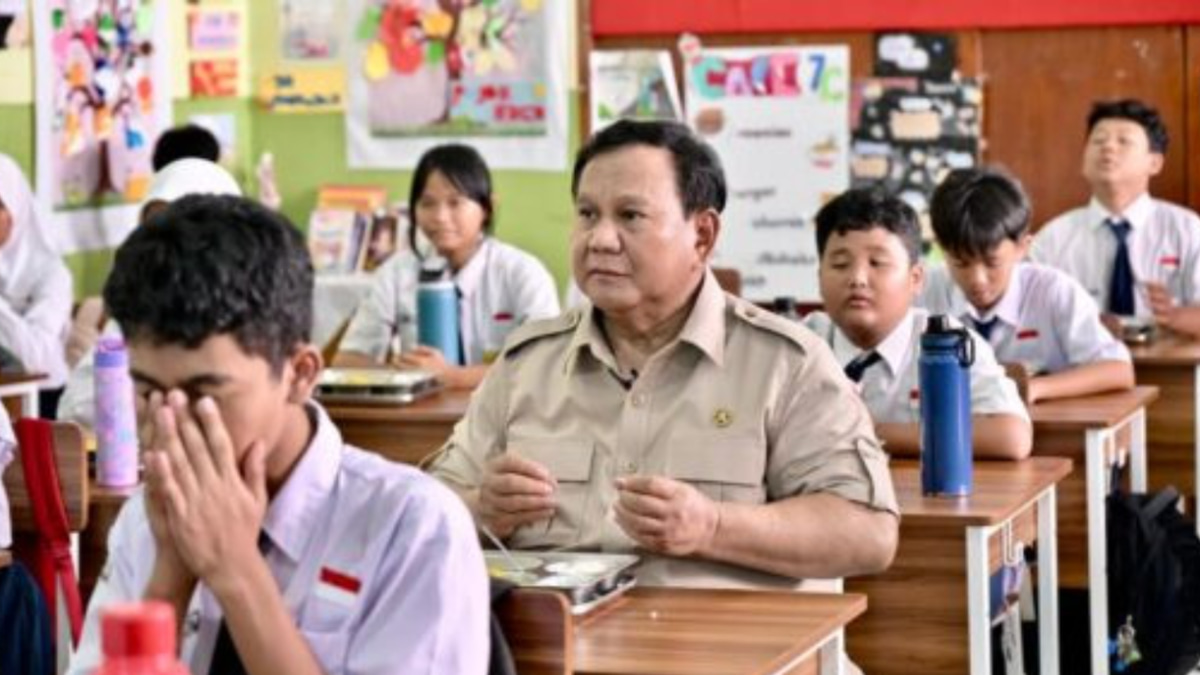
Education remains a cornerstone of the intervention strategy. The government provides school uniforms for students entering primary and secondary education, reducing financial barriers that might otherwise discourage school attendance. Secondary students receive monthly pocket money incentives, addressing cash flow constraints that force some families to withdraw children from schooling to work. Transportation assistance ensures that geographic remoteness does not prevent access to educational facilities, a particularly important consideration given that many Orang Asli settlements are located in rural areas with limited public transport infrastructure.
Academic achievement is further rewarded through targeted scholarships and grants. Students who perform well in the Sijil Pelajaran Malaysia and Sijil Tinggi Persekolahan Malaysia examinations receive cash awards, creating positive incentives for educational excellence. For those progressing to higher education, the government offers one-off grants to support transition into Certificate, Matriculation, Pre-Diploma, Diploma and Bachelor's Degree programmes, effectively removing financial obstacles at critical junctures where cost might otherwise force capable students to abandon their studies.
Healthcare support begins at birth, with JAKOA providing specialised formula milk assistance for premature babies whose mothers may lack resources for expensive nutritional supplements. This early intervention can significantly improve infant survival rates and developmental outcomes. The inclusion of medical support within the broader initiative framework suggests recognition that healthcare access remains uneven in Orang Asli communities, and that indigenous populations may face geographical and economic obstacles in obtaining treatment.
Economic empowerment represents another dimension of the government strategy. The Suntikan Usahawan Alaf Rezeki (SUAR) initiative directly addresses barriers to business creation and expansion by providing machinery and equipment to Orang Asli entrepreneurs. Beyond provision of capital goods, the programme explicitly supports digitalisation efforts, acknowledging that contemporary business success requires engagement with digital platforms and technologies. This forward-looking approach recognises that digital exclusion could further marginalise indigenous business operators in an increasingly technology-dependent economy.
Agricultural support complements entrepreneurship assistance, with farmers receiving targeted aid to improve productivity. Combined with general business support, these programmes suggest government recognition that Orang Asli economic activity remains concentrated in primary sector occupations, and that targeted assistance can enhance returns from traditional livelihood strategies whilst facilitating transition to higher-value activities. Such interventions carry particular significance for communities where alternative employment opportunities remain limited.
Communal infrastructure development forms the third pillar of government support. Road, water, electricity and housing projects address fundamental development gaps that continue to characterise many Orang Asli settlements. The provision of social facilities including communal halls and futsal courts serves not merely infrastructural functions but also strengthens community cohesion and provides recreational alternatives, particularly for young people who might otherwise lack constructive activities.
The existence of these initiatives reflects broader government positioning of Orang Asli development as integral to Malaysia MADANI aspirations. This framing is significant because it positions indigenous development not as charitable intervention or historical redress, but rather as essential to achieving national development objectives. For Southeast Asian observers, this represents an evolving model of indigenous policy that moves beyond assimilationist approaches toward recognising indigenous communities as stakeholders in their own development trajectories.
However, the efficacy of these programmes remains partly dependent on awareness, accessibility and quality of implementation. Geographic dispersion of Orang Asli populations and varying administrative capacity across different settlement areas suggest potential for uneven programme delivery. The quantum of individual assistance, whilst meaningful, requires assessment against actual costs of services and goods in different areas. Additionally, sustainable development ultimately requires indigenous communities' own agency and voice in programme design, not merely receipt of government-determined support.
For Malaysia more broadly, Orang Asli development programmes reflect tension between aspirational inclusion and persistent marginalisation. The comprehensiveness of stated initiatives contrasts with historical underinvestment in indigenous areas. Sustained political commitment and adequate budgetary allocation will determine whether these programmes represent genuine transformation of Orang Asli circumstances or represent limited interventions within fundamentally unchanged structural disadvantage.