More than 22,000 personnel from the Royal Malaysia Police and the Malaysian Armed Forces, together with their spouses, will participate in early voting during the 16th Negeri Sembilan state election scheduled for July 28. This substantial mobilisation of security and defence force members underscores the logistical scale of electoral operations in the state, with the figure comprising 5,455 PDRM officers and staff alongside 16,884 ATM personnel and their family members who are registered voters.
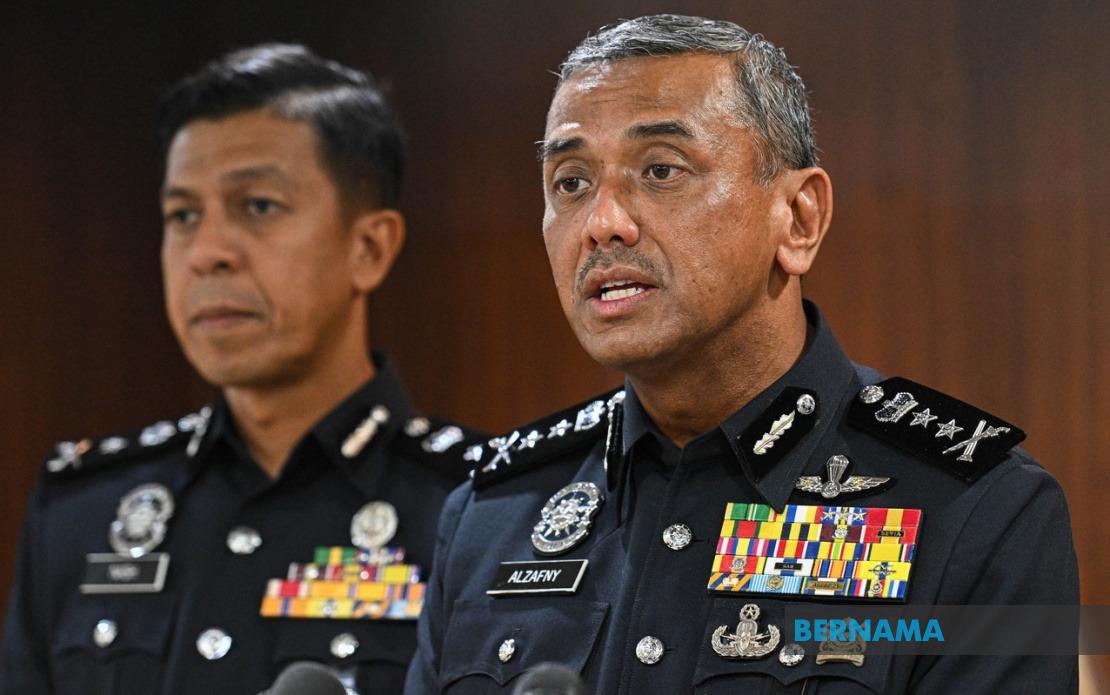
Negeri Sembilan police chief Datuk Alzafny Ahmad disclosed the voting arrangements while outlining the comprehensive security framework being implemented for the electoral process. The early voting mechanism for uniformed personnel and their families is standard practice in Malaysian elections, designed to accommodate their operational commitments and deployment schedules, which would otherwise prevent them from voting on the main polling day.
The security apparatus surrounding the election reflects the careful coordination required to manage a state-wide electoral event. Approximately 1,796 officers and personnel have been allocated specifically for early voting duties on July 28, ensuring smooth processing of the large cohort of security force voters. This dedicated deployment demonstrates the significance placed on accommodating these voters while maintaining electoral integrity and security.
Beyond early voting arrangements, the police chief outlined the broader security footprint across the electoral calendar. Some 2,393 personnel will be stationed during nomination day this Saturday, providing crowd management and maintaining order as candidates formally register their candidacy. Throughout the campaign period leading to polling day, 1,685 officers will maintain a visible presence to monitor compliance with electoral regulations and prevent disorder. Finally, 4,788 personnel will be deployed on August 1 when voting commences across all constituencies, representing the largest concentration of security forces on the actual polling day.
Alzafny issued a pointed reminder to all political parties and candidates contesting the election, emphasising the critical importance of maintaining discipline among their supporters throughout the campaign period. His message carried an implicit warning about the consequences of electoral misconduct, framing orderly conduct as essential to preserving Negeri Sembilan's social fabric. The police chief's tone suggested growing concern about maintaining electoral peace in an increasingly competitive political environment.
The specific prohibitions outlined by the police chief reflect longstanding concerns about electoral integrity in Malaysia. Political parties must ensure their campaigns remain free from provocative behaviour, unauthorised processions, and deliberate misinformation campaigns that could inflame tensions. The emphasis on avoiding slander and hate speech indicates official anxiety about the weaponisation of social media during campaigns, a phenomenon that has become increasingly prevalent in Malaysian electoral contests in recent years.
Particularly notable was Alzafny's emphasis on the three-R framework: religion, race, and the Royal Institution. These sensitive areas have historically triggered communal tensions during election campaigns, and the police are signalling zero tolerance for any political messaging that instrumentalises these domains. The restriction applies comprehensively across political speeches, printed campaign materials, media statements, and social media content, suggesting that enforcement will extend into digital spaces where regulation has traditionally been more challenging.
The police chief's call for mature acceptance of election results once officially declared represents an implicit message to contenders about respecting the democratic process. By explicitly stating that objections must be channelled through legitimate legal mechanisms rather than extra-legal action, authorities are attempting to establish clear boundaries about what constitutes acceptable post-election behaviour. This preemptive messaging suggests awareness that disappointed candidates might otherwise test the limits of public tolerance.
The election timeline, with nomination day falling on Saturday, early voting on July 28, and main polling on August 1, compresses the campaign period into approximately two weeks. This condensed schedule limits opportunities for sustained campaign momentum and may advantage well-organised parties with established ground networks. For smaller or newly formed political groupings, the short timeframe presents particular challenges in reaching voters and building awareness.
Negeri Sembilan's 16th state election carries significance beyond the state itself, as results will provide crucial indicators about voter sentiment ahead of potential federal electoral contests. The participation of such large numbers of uniformed personnel as voters also highlights their representation in the electorate—a bloc that collectively wields considerable political weight. Their voting preferences, should patterns emerge, could offer insights into sentiment within institutions traditionally considered politically neutral.
The Election Commission's decision to permit early voting for security personnel reflects practical necessity but also extends the electoral process across multiple dates. This extended schedule requires sustained security vigilance and coordination across a longer period than a single-day election would demand. The staggered approach, while accommodating to military and police personnel, also extends the period during which electoral disputes or tensions could theoretically emerge.
For Malaysian and Southeast Asian observers, the Negeri Sembilan election demonstrates how established democracies manage security during electoral contests. The visible coordination between law enforcement and election authorities, combined with explicit messaging about acceptable conduct, reflects institutional maturity in managing political competition within structured frameworks. The police chief's detailed articulation of prohibited conduct and required compliance sends a signal that authorities will actively monitor compliance and enforce electoral regulations throughout the process.

