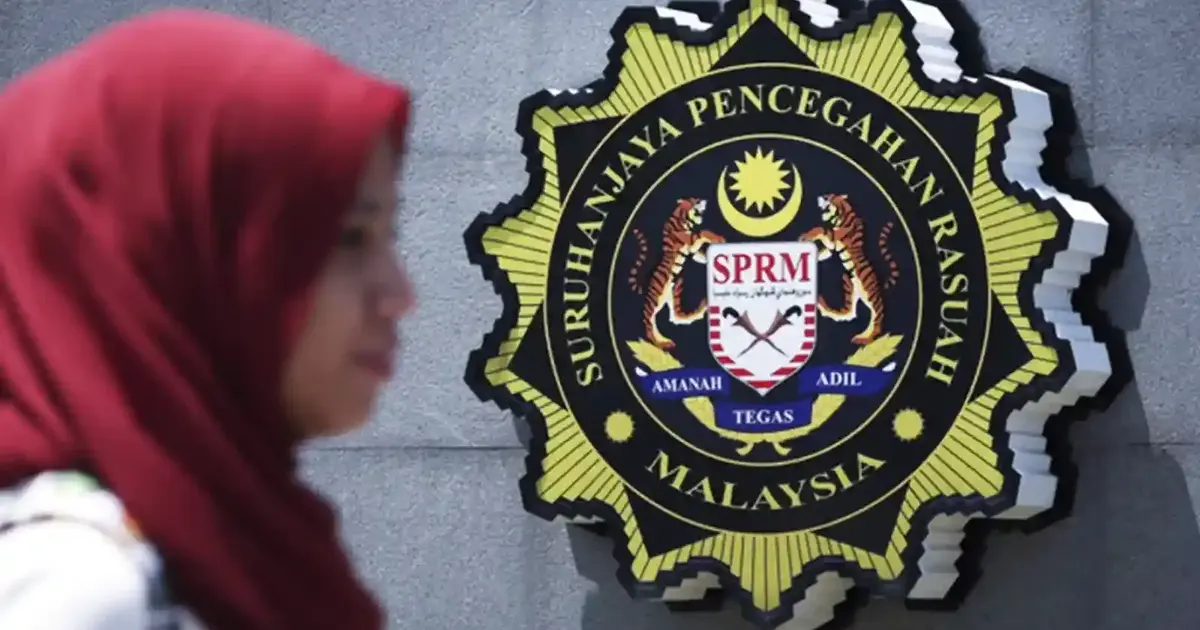
The Malaysian Anti-Corruption Commission (MACC) has intensified its enforcement operations against what appears to be a systematic scheme of fraudulent claims submitted to Perkeso, the Social Security Organisation responsible for employment injury insurance protection. The investigation has snowballed into one of the larger corruption cases in recent memory, with authorities announcing that charges will be brought against more than 100 identified suspects, though only 29 have been formally charged as the operation continues to unfold across multiple jurisdictions.
The scale of the alleged fraud underscores a concerning vulnerability within Malaysia's social security apparatus. Perkeso, established to provide genuine protection for workers injured in the course of employment, has apparently become a target for individuals seeking to exploit the system through false or exaggerated claims. The distinction is crucial: while legitimate claims represent workers protecting their livelihoods, fraudulent submissions drain resources and erode public confidence in institutions designed to safeguard the vulnerable.
What makes this investigation particularly significant is its geographical spread. With charges already filed in several states and the promise of further action in others, it appears the suspected fraud ring operated across state boundaries, suggesting a degree of organisation rather than isolated opportunism. This pattern typically indicates coordination among perpetrators, potentially involving insiders at various bureaucratic levels who may have facilitated the submission and approval of questionable claims.
The MACC's role in prosecuting this matter reflects the interconnected nature of modern institutional fraud. While Perkeso maintains its own compliance mechanisms, corruption involving false social security claims falls squarely within the MACC's mandate to investigate misconduct affecting public funds and institutions. The agency's involvement signals that investigators suspect not merely individual claimants acting dishonestly, but potentially a more sophisticated apparatus involving corrupt facilitation at institutional or intermediary levels.
For Malaysian workers with legitimate claims, this development carries mixed implications. On one hand, successful prosecution of fraudsters should theoretically strengthen the integrity of the claims process and ensure that genuine claimants receive timely attention and resources. On the other hand, heightened scrutiny resulting from widespread fraud detection might create friction in legitimate processing, as Perkeso undoubtedly tightens verification procedures to prevent future exploitation.
The timing of this crackdown also reflects evolving anti-corruption priorities. Malaysian authorities have increasingly focused on institutional fraud affecting everyday citizens, moving beyond high-profile political corruption cases. Social security fraud strikes at the foundation of Malaysia's welfare infrastructure, diverting funds that should support genuinely injured workers and their families. The MACC's aggressive prosecution signals that no sector remains immune from scrutiny, regardless of how sensitive or politically delicate.
Regionally, Malaysia's response to this case may provide lessons for other Southeast Asian nations grappling with similar challenges in their own social protection systems. The coordination required to prosecute suspects across multiple states demonstrates institutional capacity, though it also implicitly reveals how fragmented systems can create opportunities for exploitation. As the region develops more sophisticated welfare architectures, the experience here offers both cautionary examples and potential blueprints for enforcement mechanisms.
The investigation's continuation with further charges anticipated suggests that MACC operations are still uncovering evidence and expanding the net of identified suspects. The gap between the 29 already charged and the 100-plus flagged for prosecution indicates either that investigations remain ongoing, or that authorities are consolidating evidence before proceeding with additional filings. Such deliberateness, while sometimes frustrating to observers demanding swift justice, reflects the complexity of prosecuting systematic fraud involving multiple actors across different locations.
From an institutional perspective, this case will likely prompt Perkeso to conduct a thorough internal audit of its claims approval processes. The existence of a fraud ring substantial enough to warrant charges against over 100 people raises uncomfortable questions about where verification gaps existed. Whether the problems stem from inadequate documentation requirements, insufficient staff training, or deliberate connivance by insiders remains to be established through the legal proceedings.
The broader context matters considerably. Malaysia's economy has faced pressures that encourage both legitimate claims rises and fraudulent submissions. Workers facing genuine hardship may be tempted to exaggerate claims, while others might fabricate injuries entirely. This environment, combined with any systemic weaknesses in verification, created the conditions the MACC investigation apparently uncovered. Understanding these root causes will be essential for preventing recurrence.
As the cases progress through the courts, they will likely establish important jurisprudence regarding false Perkeso claims and appropriate penalties. Such precedents matter significantly, as they signal to potential offenders the seriousness with which Malaysia treats social security fraud. The public visibility of high-volume prosecutions also serves a deterrent function within communities where such schemes may have seemed low-risk.
Ultimately, this enforcement operation represents an important test of Malaysia's institutional integrity. The ability to investigate and prosecute extensive fraud affecting its own agencies demonstrates commitment to accountability. For ordinary Malaysians whose only interaction with Perkeso might come through tragedy or injury, the restoration of the system's reliability through systematic removal of fraudulent claims offers genuine reassurance.

