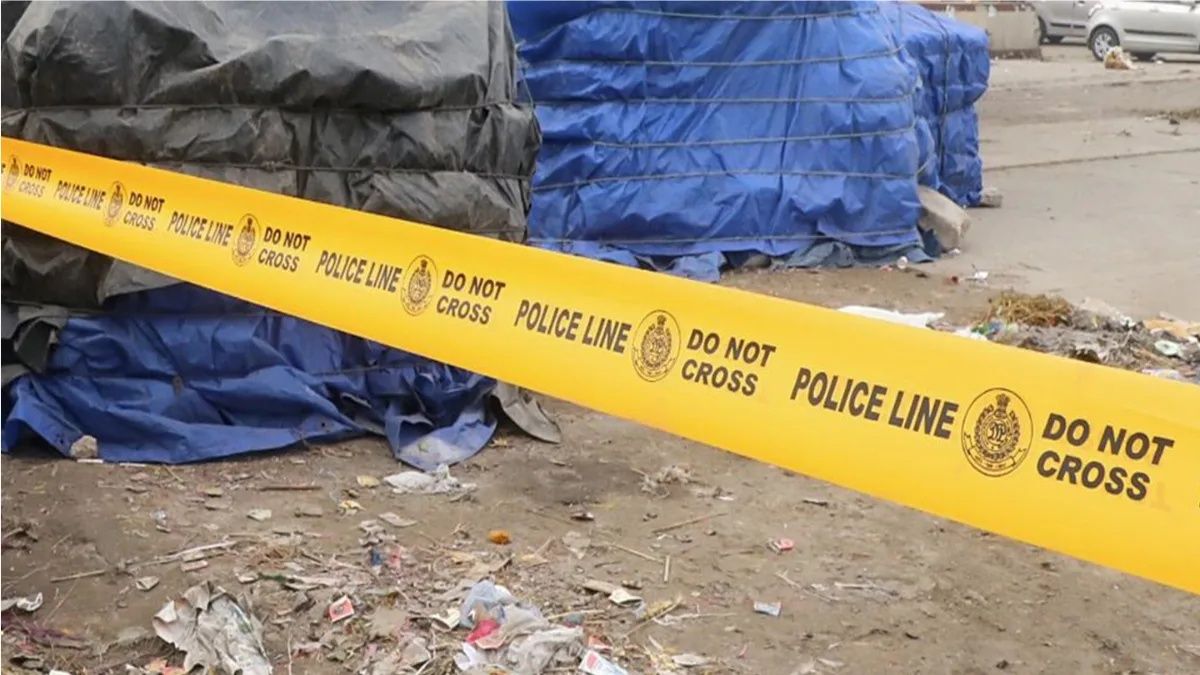
A murder case in West Bengal's South 24 Parganas district rapidly escalated into large-scale civil unrest on Sunday when the body of a 12-year-old girl was discovered in a pond near her home in Baruipur. The alleged gang rape and killing of the child triggered immediate community outrage, leading to road blockades, railway disruptions, and what witnesses describe as the lynching of a local youth suspected of involvement in the crime. The incident underscores the volatile intersection between grieving communities, systemic failures in law enforcement, and the dangerous recourse to mob justice that periodically convulses parts of India.
According to the girl's family, she had ventured out on Saturday evening to purchase food from a nearby shop but failed to return home. Family members claimed that four individuals forcibly abducted her, though circumstances surrounding the alleged assault remain under police investigation. After overnight searches proved fruitless, local residents discovered the child's body wrapped in a sack floating in a pond situated near Suryapur, a village falling under the Dhapdhapi II Gram Panchayat jurisdiction. The discovery transformed the missing person case into a murder investigation that would consume the district's attention for hours.
The recovery of the remains sparked immediate and widespread demonstrations across the area. Hundreds of residents converged on the site, preventing police from removing the body for several hours as they demanded swift action against those responsible. The protesters' anger reflected not only the specific tragedy but also accumulated frustration with perceived inadequacies in law enforcement and community safety. Road blockades persisted for nearly five hours, while demonstrators also occupied railway tracks at Suryapur station on the Sealdah-Namkhana line, halting train services for approximately one hour before police intervention allowed normal operations to resume.
The situation deteriorated significantly when community members allegedly identified and attacked a local youth whom they suspected of involvement in the crime. Witnesses claimed to have seen this individual in the company of some suspected perpetrators, prompting the mob to beat him fatally. Police arrived at the scene but encountered fierce resistance as they attempted to rescue the youth, who was already mortally wounded. The confrontation between law enforcement and protesters grew increasingly violent, with demonstrators allegedly hurling stones at officers and damaging vehicles. Several police personnel suffered injuries during these clashes, with at least one officer requiring hospital admission for treatment.
The breakdown in public order necessitated significant police reinforcement. Senior officials deployed a substantial contingent of state police alongside assistance from central security forces to regain control of the situation. Inspector General of Police (Presidency Range), Kankar Prasad Barui, travelled to Baruipur and addressed residents through public address systems, appealing for calm while pledging comprehensive investigation and justice. Barui assured the community that no suspect would escape accountability and that authorities would pursue the strongest possible legal remedies, while also guaranteeing that post-mortem procedures would follow proper legal protocols.
West Bengal Chief Minister Suvendu Adhikari responded to the tragedy by contacting the victim's father by telephone on Sunday, assuring him of the government's commitment to maximum punishment for the accused. Adhikari extended an invitation for the bereaved father to meet at Nabanna, the state secretariat, on Tuesday to discuss the case and coordinate support measures. Such high-level political engagement reflects the sensitivity surrounding crimes against children and the electoral consequences that investigations into such cases carry in contemporary Indian politics.
The incident raises significant questions about child protection mechanisms and law enforcement response times in rural and semi-urban West Bengal. The apparent ease with which multiple perpetrators could allegedly abduct a child, combined with the lengthy delay in discovering her remains, suggests potential gaps in community safety protocols and police patrol effectiveness. For Malaysian observers familiar with the functioning of Southeast Asian law enforcement systems, the incident illuminates how comparable jurisdictions balance rapid response capabilities with limitations in resources and training that constrain police operations across the Indian subcontinent.
The resort to mob violence and the apparent lynching of a suspect, while reflecting community anguish, represents a troubling departure from judicial processes and rule of law that affects the credibility of subsequent investigations. When communities lose confidence in formal justice systems, they increasingly take enforcement into their own hands, creating cycles of violence that complicate prosecutorial efforts and deny the accused due process rights, however heinous their alleged crimes. Police officers investigating the original crime must now also probe the attack on law enforcement and the mob killing, fragmenting investigative resources and potentially compromising evidence gathering.
As of Sunday afternoon, police had persuaded protesters to vacate road and railway blockades, allowing commercial traffic and train services to resume normal schedules. The victim's remains were transferred to Baruipur Sub-Divisional Hospital for post-mortem examination. Police sources indicated that two persons had been arrested in the murder case, while a third suspect was apprehended by residents and transferred into police custody. However, the alleged involvement of a fourth perpetrator remains unclear, and the precise sequence of events leading to the child's death continues under investigation.
Security forces have heightened surveillance across the district to forestall additional violence while detectives pursue multiple investigative threads. Officers are examining not only the circumstances of the alleged rape and murder but also the identity of those who participated in the suspected mob lynching and attacks on police personnel. The case exemplifies the intersection of systemic vulnerabilities, community trauma, and the challenge of maintaining constitutional governance when public institutions fail to protect society's most vulnerable members. For policymakers in Malaysia and across Southeast Asia, the unfolding situation in Baruipur underscores the necessity of investing in institutional capacity, community policing models, and victim protection frameworks that can prevent such tragedies while maintaining democratic accountability.

