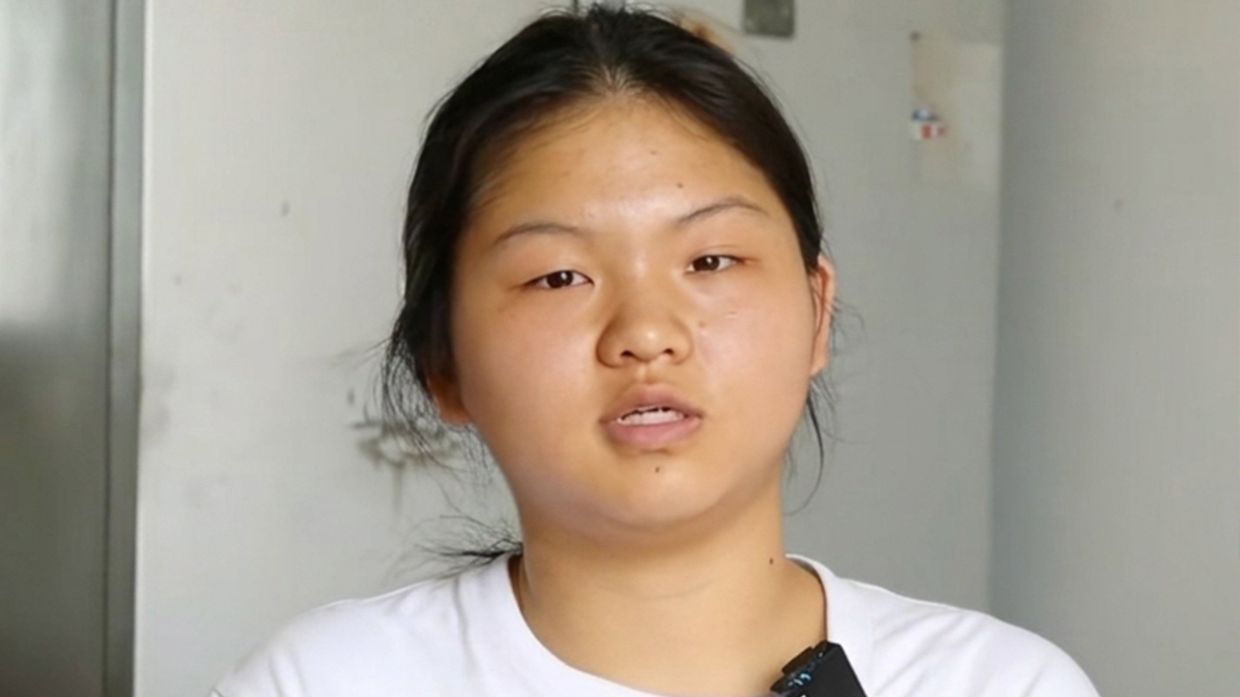
Zeng Zixuan's journey to university represents more than academic achievement—it embodies the resilience of a young person navigating extraordinary personal loss while maintaining concern for those around her. The 18-year-old scored 564 out of 750 on China's gaokao university entrance examination this year, gaining admission to a tertiary institution close to her hometown. Her choice of location was deliberate: proximity to home would enable frequent visits to her grandmother, the sole family member who had stood by her through a childhood marked by abandonment and hardship.
The stability Zeng anticipated at the threshold of adulthood shattered unexpectedly when her grandmother fell ill and died in early July, leaving her completely alone. This tragedy capped a decade of loss that had already reshaped her young life. Zeng's parents divorced during her childhood, an event that fractured her family unit irreparably. Her mother remarried and subsequently severed contact, while her father relocated to Guangdong province to seek employment. The grandmother became not merely a guardian but the anchor holding Zeng to family, home, and hope. Throughout her schooling, Zeng distinguished herself academically, consistently ranking among the top performers in her class—a testament to her determination to build a better future despite circumstances that might have overwhelmed others.
The family's precarious financial situation deteriorated dramatically when Zeng was in her final years of secondary education. Her father died in an accident, an event that stripped away the household's primary income source and forced Zeng and her grandmother into dependence on government assistance and school subsidies. The psychological toll proved as significant as the material hardship. The naturally cheerful girl withdrew from social engagement and emotional connection, her teachers noting a marked personality shift. One supervising educator, recognizing the pain beneath Zeng's withdrawn demeanor, invested time in personal conversations aimed at rebuilding her sense of purpose and possibility, counseling her that university attendance represented the pathway to honouring both her father's memory and her grandmother's sacrifices.
When word spread through the village that Zeng had lost her final family member, the community's compassion crystallized into concrete action. Strangers, moved by her circumstances, initiated a donation campaign coordinated through village government channels. Within a remarkably short timeframe, contributions accumulated to over 60,000 yuan—approximately US$8,800—a sum that represented genuine hardship transformed into genuine help. Yet Zeng's response revealed character that transcended her years. Rather than accepting the outpouring with gratitude and silence, she took the deliberate step of contacting village officials to request that donations cease.
Her statement to the village office demonstrated maturity and social consciousness unusual in someone who had endured such concentrated trauma. She articulated genuine appreciation for the community's generosity while simultaneously redirecting attention toward others who faced even more dire circumstances. "Thank you, uncles, aunties, brothers, and sisters; your contributions are sufficient for me now," she communicated, adding that she recognized earning money entailed genuine struggle and that many individuals confronted challenges more severe than her own. Rather than positioning herself as the neediest member of her community, Zeng insisted that remaining donations be extended to those truly lacking alternatives.
Zeng's pragmatic assessment of her situation revealed clear-eyed planning for her university years and beyond. The accumulated funds would adequately cover tuition fees and accommodation expenses—the institutional costs that typically present the greatest barrier to higher education for families of limited means. For living expenses beyond housing and education, she intended to pursue part-time employment, a common practice among Chinese university students but particularly meaningful for someone in her circumstances. The village government, recognizing both Zeng's need and her willingness to work, offered her a position tailored to student schedules and constraints—providing income while respecting her academic commitments.
This narrative carries particular significance for Southeast Asian readers, many of whom inhabit societies where extended family structures and community bonds mirror those evident in Zeng's story, yet where social safety nets remain inconsistent or underdeveloped. The interplay between governmental support, community intervention, and individual determination that characterized Zeng's path represents a model increasingly relevant across the region as urbanization fractures traditional family structures and economic pressures intensify. Her refusal of surplus charity, moreover, reflects values—concern for collective welfare, recognition of shared struggle, and commitment to meritocratic advancement—that resonate across cultural boundaries.
Online observers responding to Zeng's story emphasized both the tragedy and the possibility evident in her situation. One commentator noted that life's unpredictability could not negate the brightness of her future prospects, while another observed that despite her disadvantaged circumstances, Zeng benefited from living in an era and society where institutional and communal support structures existed to catch her when family had failed. This observation highlights an important tension: Zeng's individual strength and virtue proved essential, yet insufficient alone. Rather, her achievement emerged from the intersection of her personal determination with systematic social investment in education and welfare, plus the voluntary compassion of her community.
Zeng Zixuan's story ultimately transcends the specific details of loss and recovery to illuminate broader questions about how societies recognize and support vulnerable young people. Her insistence on redirecting help toward others more desperate than herself suggests that trauma, properly navigated with adequate support, need not produce selfishness or bitterness. Instead, it can generate wisdom about shared human vulnerability and interdependence. As she embarks on university study, Zeng carries forward not just her own aspirations but a broader message about the responsibilities that accompany receiving help—an implicit challenge to her society and others to construct systems where no Zeng Zixuan finds herself entirely without options.

