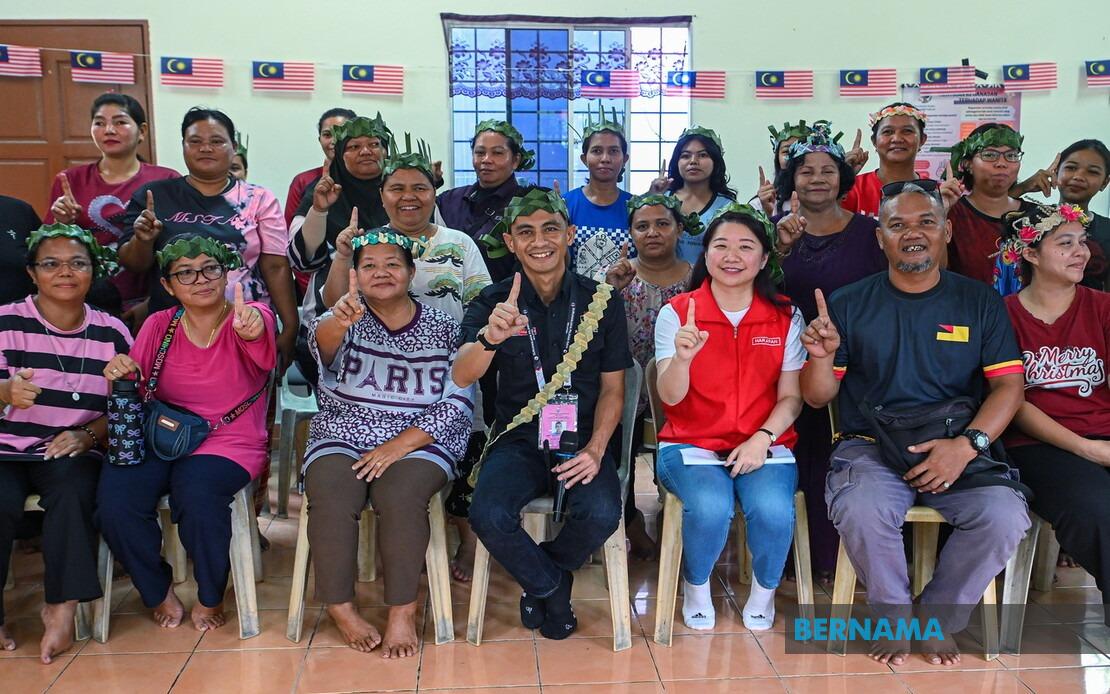
The August 1 Negeri Sembilan state election has brought indigenous affairs into sharp focus in the Labu constituency, where Pakatan Harapan candidate Datuk Ahmad Faez Abdul Razak is positioning development of the Orang Asli community as central to his campaign platform. Speaking in Seremban after participating in an empowerment initiative for Orang Asli women, Ahmad Faez outlined a comprehensive vision that extends beyond symbolic gestures to tackle long-standing grievances affecting indigenous residents in the area.
At the heart of Ahmad Faez's agenda lies the resolution of customary land disputes, a perennial issue that has complicated tenure security for Orang Asli settlements throughout Malaysia. He has identified Kampung Orang Asli Tekir as requiring urgent attention, committing to escalate the customary land question to the State Legislative Assembly should PH secure control of the seat. This pledge carries weight in a state where indigenous land rights remain contested, frequently overshadowed by competing commercial and agricultural interests. The matter touches on fundamental questions of resource security and cultural preservation that resonate across Southeast Asian indigenous communities facing similar pressures.
Alongside land tenure, Ahmad Faez emphasises the critical importance of modernising basic infrastructure serving the settlement. Roads connecting Kampung Orang Asli Tekir to broader economic networks currently fall below acceptable standards, while internet connectivity remains sporadic—a significant disadvantage as Malaysia accelerates its digital transformation agenda. These infrastructure deficits disproportionately affect remote communities, creating barriers to educational access, market participation, and digital service adoption that younger residents increasingly require for economic mobility.
Education and skills development form another pillar of his platform, reflecting recognition that human capital investment yields long-term returns for marginalised communities. Ahmad Faez argues that Orang Asli youth possess considerable untapped potential but lack institutional support systems necessary to translate aptitude into sustainable livelihoods. This positioning aligns with broader Malaysian policy conversations around reducing inequality and ensuring that development benefits reach vulnerable populations often left behind in national growth narratives.
Economic empowerment initiatives proposed by the candidate include leveraging existing community strengths in handicraft production, which currently operates at a limited scale through informal channels. Ahmad Faez envisages expanded marketing networks and value-chain integration that could substantially increase household incomes, particularly for women entrepreneurs. Additionally, he proposes introducing modern agricultural technologies such as fertigation systems to enhance yields and sustainability—an approach that bridges traditional farming practices with contemporary productivity methods.
The candidate's emphasis on sustained grassroots engagement distinguishes his campaign rhetoric. Ahmad Faez has visited Kampung Orang Asli Tekir consistently over two years rather than limiting presence to election periods, a pattern that village leadership has acknowledged positively. Nasir Musil, the village chief representing a population of 796 residents, expressed confidence that the candidate understands local priorities, particularly the chronic problem of stray cattle posing hazards to road users—an issue exemplifying how even minor governance lapses accumulate into genuine community hardship in rural settings.
The Labu contest presents a three-cornered battle reflective of contemporary Malaysian electoral complexity. Ahmad Faez, contesting for his first time, faces incumbent Mohamad Hanifah Abu Baker representing Parti Pribumi Bersatu Malaysia (Bersatu), alongside Barisan Nasional's Siti Nur Umaira Hasim. This configuration ensures that indigenous affairs and rural development will receive sustained scrutiny from competing campaigns, potentially elevating Orang Asli concerns on the state election agenda more prominently than might occur in uncontested seats.
The timing of Ahmad Faez's campaign messaging reflects calculated political strategy. By centering Orang Asli development in a constituency where indigenous communities represent a significant demographic bloc, PH signals commitment to traditionally marginalised constituencies while constructing a policy-focused narrative around inclusive governance. Whether such promises translate into substantive resource allocation should PH prevail will substantially determine whether this election marks a turning point in indigenous affairs or represents another cycle of campaign pledges disconnected from implementation capacity.
Negeri Sembilan's broader political significance as a swing state amplifies the Labu race's implications. The state has demonstrated electoral volatility across recent contests, making individual constituency performances consequential for overall PH prospects. A strong showing in seats prioritising indigenous constituent concerns could enhance PH's positioning for broader coalition-building around inclusive development frameworks—an approach gaining traction across Southeast Asia as demographic and policy conversations increasingly centre equitable resource distribution.
The Election Commission has scheduled early voting for July 28, with polling day set for August 1. This compressed timeline means campaign messages will concentrate intensely, and voters in Labu will make determinations about which candidate and party genuinely comprehends Orang Asli priorities versus those engaged in transactional election-period outreach. The outcome will signal whether indigenous voters view the competing offers as substantively differentiated or whether scepticism about electoral promises remains warranted based on historical implementation patterns.
For Malaysian policymakers and observers tracking indigenous affairs, the Labu constituency election offers a revealing case study in how marginalized communities negotiate competing political offers during electoral contests. Should Ahmad Faez succeed, implementation fidelity will become the true test—whether land issues advance in the assembly, infrastructure projects materialize on proposed timelines, and economic opportunities genuinely benefit intended beneficiaries. For Negeri Sembilan's Orang Asli residents, this election represents both opportunity to demand substantive commitments and responsibility to hold eventual representatives accountable for delivery.

