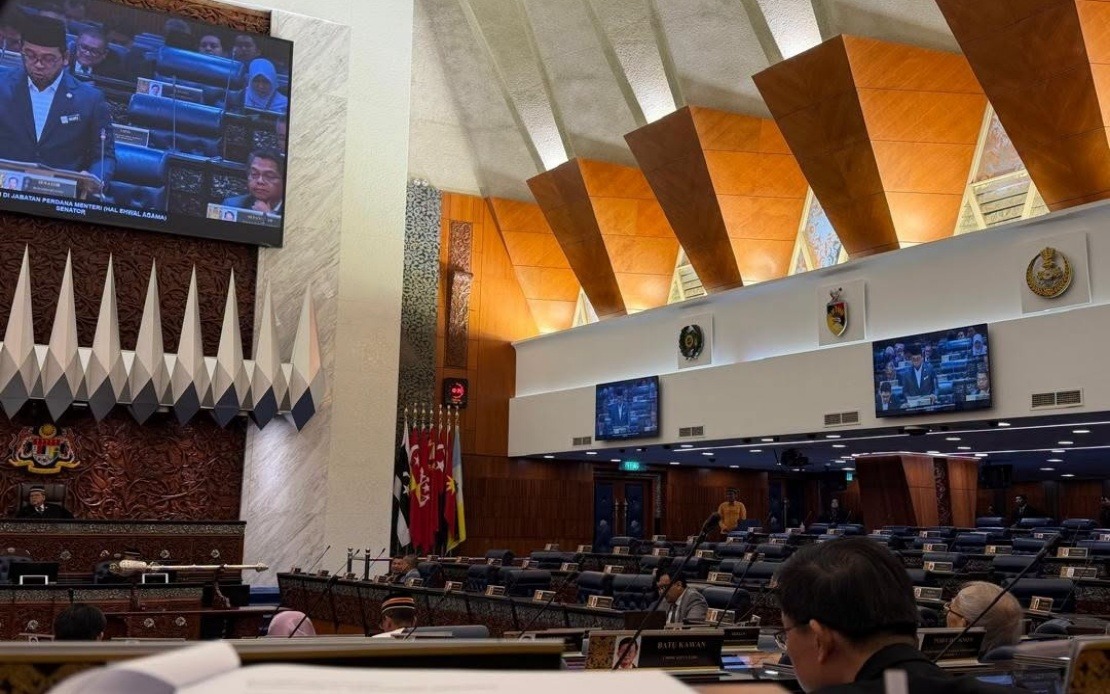
A walkout by opposition members during a special parliamentary sitting on August 11 to discuss the Royal Commission of Inquiry report into Lembaga Tabung Haji has reignited tensions between government and opposition benches over parliamentary procedure and substantive engagement with critical governance issues. The departure occurred just before Minister in the Prime Minister's Department for Religious Affairs Dr Zulkifli Hasan was scheduled to brief members on the commission's findings, drawing a rebuke from Datuk Seri Dr Zaliha Mustafa, chairman of the MADANI Government Backbenchers Club and Sekijang MP.
The underlying dispute centred on the Speaker's decision to proceed with the briefing without Prime Minister Datuk Seri Anwar Ibrahim and Deputy Prime Minister Datuk Seri Fadillah Yusof, both of whom were absent due to medical treatment. This procedural disagreement, raised initially by Perikatan Nasional chief whip Datuk Seri Takiyuddin Hassan, who proposed postponing the sitting, eventually prompted the collective opposition departure. The decision underscores how Malaysia's fractious parliamentary dynamics can elevate procedural grievances into broader confrontations that sideline substantive policy discussion.
Dr Zaliha's subsequent statement on Facebook characterised the opposition's exit as symptomatic of a lack of genuine commitment to the Tabung Haji matter. She posed a pointed question to opposition members: if they truly championed Islamic interests and Muslim welfare as they claimed outside Parliament, why would they refuse an opportunity to challenge, question, and rebut the commission's findings in the chamber itself? Her argument hinges on a fundamental premise about parliamentary responsibility—that serious scrutiny requires presence and engagement rather than protest and absence.
The Tabung Haji issue carries significant weight beyond typical parliamentary theatre. The institution manages savings and investment portfolios for millions of Malaysian Muslim depositors, making governance, stewardship, and financial management questions central to many households' retirement security and religious obligations connected to pilgrimage financing. A Royal Commission of Inquiry into the organisation's operations therefore addresses concerns that directly affect ordinary Malaysians, particularly the Muslim community, making parliamentary debate on its findings a matter of genuine public importance rather than routine legislative business.
Dr Zaliha's criticism pivots on this distinction. She contended that opposition MPs with substantive concerns about the RCI's findings or the government's proposed responses should have marshalled facts and arguments within the parliamentary forum to contest those points. Whether defending a particular party or challenging specific recommendations, the appropriate venue was the Dewan Rakyat during formal debate, not public statements delivered outside Parliament's walls. This separation between parliamentary and extra-parliamentary discourse reflects a long-standing tension in Malaysian politics about how criticism should be channelled and where accountability mechanisms should operate.
The question posed by the government backbencher—"who really does not want the Tabung Haji issue debated?"—cuts to the heart of the dispute's implications. Opposition walkouts, while sometimes used as expressions of principle or protest against perceived unfairness, can paradoxically reduce opportunities for comprehensive scrutiny. If opposition members genuinely disputed elements of the RCI report or disagreed with government responses, remaining in the chamber to articulate those objections would have created a public record of their positions and allowed for substantive challenge. Departing, conversely, left the government's presentation largely unchallenged before the chamber.
The absence of Prime Minister Anwar and Deputy Prime Minister Fadillah, though medically justified, created the procedural opening that opponents of the sitting seized upon. In typical parliamentary practice, especially on matters of significant national interest, the government's chief executives might be expected to appear or ensure their presence, lending weight to the proceedings. The Speaker's decision to proceed regardless reflected a calculation that continuing the sitting remained preferable to postponement, yet this choice itself became contested ground. The opposition's subsequent walkout thus functioned partly as protest against that procedural decision and partly as rejection of the briefing's legitimacy without top-level government participation.
Dr Zaliha's framing of the opposition's conduct emphasised the credibility gap between public rhetoric and parliamentary action. She noted that opposition figures frequently presented themselves as guardians of Islamic values, transparency, and Muslim welfare when speaking to constituencies and media audiences. Yet when Parliament itself provided a formal mechanism to interrogate government decisions and RCI findings on precisely those grounds, opposition members chose absence over engagement. This apparent inconsistency, whether fair or not, carries reputational implications for opposition credibility on these matters.
The broader context involves Malaysia's ongoing struggles with parliamentary tradition and institutional development. Mature democracies have evolved norms around when walkouts serve legitimate protest functions versus when they obstruct governance. Malaysian Parliament, still developing such conventions, experiences recurring disputes over whether procedural objections justify boycotts of substantive business. This particular incident illustrates how personality-driven politics (absence of senior figures) and institutional questions (Speaker's authority to proceed) can collide with substantive policy issues, creating parliamentary gridlock that serves no constituency's interests.
For Malaysian depositors in Tabung Haji, the parliamentary paralysis around the RCI report's discussion carries practical implications. Public scrutiny of the commission's findings, government's response, and any proposed reforms requires vigorous debate from multiple perspectives. Opposition absence reduces the quality of that scrutiny, regardless of the procedural justifications offered. Whether the opposition's grievance about the Prime Minister's absence was valid becomes almost secondary to the fact that critical governance questions remained inadequately examined in Parliament.
The incident also reflects broader regional trends in Southeast Asian legislatures, where opposition use of procedural tactics—walkouts, boycotts, filibustering—has become increasingly common across Thailand, Philippines, and Indonesia as well as Malaysia. These tactics sometimes serve important accountability functions but can also calcify into reflexive responses that reduce parliament's effectiveness as a forum for genuine policy deliberation. Malaysian observers will likely continue debating whether August 11's walkout represented justified institutional protest or counterproductive political theatre.

