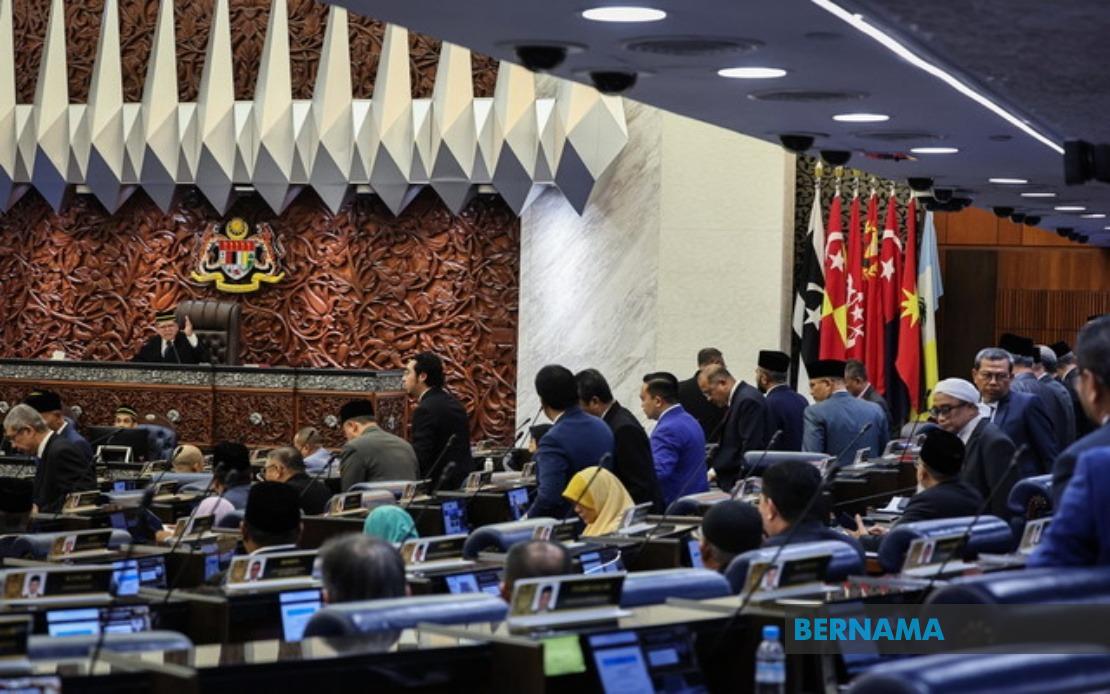
Opposition Members of Parliament abandoned the Dewan Rakyat on August 11 during a special sitting dedicated to discussing a Royal Commission of Inquiry report on Lembaga Tabung Haji, in a dramatic display of dissent that highlighted deepening parliamentary divisions. The walkout reflected broader frustrations within the opposition ranks over what they viewed as the inadequate handling of a matter of significant public interest. The briefing session, scheduled to present findings and recommendations from the inquiry into TH's management and operations, proceeded without substantial opposition participation, fundamentally altering the nature of the parliamentary debate.
The catalyst for the opposition's departure centred on the absence of Prime Minister Datuk Seri Anwar Ibrahim, who was unavailable due to medical treatment commitments. This absence, coupled with the non-participation of Deputy Prime Minister Datuk Seri Fadillah Yusof, who was similarly receiving medical care, prompted Perikatan Nasional's chief whip Datuk Seri Takiyuddin Hassan to formally propose postponing the entire special sitting. The proposal underscored a core principle of parliamentary protocol: that matters of national importance warrant the presence and engagement of the government's most senior figures. The opposition's position suggested that discussing the comprehensive findings of a royal commission into the affairs of a critical Islamic financial institution without the prime minister's involvement represented a diminishment of parliamentary standards.
Speaker Tan Sri Johari Abdul declined to postpone the sitting, instead authorising the proceedings to move forward as scheduled. His decision fundamentally reframed the debate from one about procedural propriety to one about the opposition's willingness to engage constructively in parliamentary business. Johari's public remarks during the session took on a pointed quality, invoking the notion that citizens were observing parliamentary conduct and making judgments about the commitment of lawmakers to serious discussion of governance matters. The speaker's framing appeared designed to shift responsibility for any perceived obstruction from the government to the opposition benches.
The minister leading the Tabung Haji briefing was Dr Zulkifli Hasan, who holds the portfolio of Minister in the Prime Minister's Department (Religious Affairs). His role in presenting the RCI findings placed him in a somewhat exposed position, as the absence of both the prime minister and deputy prime minister meant that questions about strategic response to the commission's recommendations or broader policy implications could not be adequately addressed at the highest executive level. This structural limitation likely frustrated both the government and opposition: the government was unable to present a comprehensive executive response, while the opposition found itself addressing only a middle-tier official rather than the political principals responsible for final decision-making.
The Tabung Haji RCI itself represents a significant chapter in Malaysia's evolving governance landscape. The inquiry was commissioned to examine the management and operations of Lembaga Tabung Haji, the statutory body responsible for administering funds for Muslim pilgrims undertaking the hajj to Mecca. Any royal commission investigation into such an institution inevitably touches sensitive matters involving religious trust, financial stewardship, and public accountability. The opposition's insistence on prime ministerial presence during the briefing suggested they anticipated the report would contain findings warranting serious executive-level discussion and potential policy responses.
The walkout itself, while dramatic, reflects a broader pattern of opposition tactics in Malaysia's current parliamentary configuration. Since the establishment of the current government formation, opposition lawmakers have employed various parliamentary strategies to express dissent, from procedural challenges to symbolic departures. These tactics serve multiple functions: they signal to constituents that opposition members are actively scrutinising government actions, they create parliamentary disruption that generates media attention, and they position the opposition as principled defenders of parliamentary norms—even when those norms might work against their immediate legislative interests.
From a regional perspective, Malaysia's parliamentary dynamics warrant attention as the country navigates post-electoral adjustments and efforts to stabilise multiparty governance. The opposition's response to executive absences, whether justified by medical considerations or otherwise, reflects deeper questions about whether parliamentary systems can function effectively when governing coalitions and opposition blocs approach institutional protocols with fundamentally different expectations. This tension appears particularly acute in Malaysia, where coalition politics have historically produced fragile parliamentary majorities and where constitutional conventions around executive accountability remain subjects of interpretation and dispute.
The government's decision to proceed with the briefing despite opposition objections and notable executive absences suggests confidence in the robustness of the parliamentary proceedings and perhaps an assessment that delaying discussion of the RCI findings would carry greater political costs than proceeding without full opposition engagement. The Speaker's permission for opposition MPs to depart—framed as allowing them to make their own choices while the government conducted business—represented a form of parliamentary pragmatism that acknowledged the opposition's right to protest while preserving the government's ability to discharge its informational obligations.
For Malaysian readers and broader Southeast Asian observers, the incident underscores how disputes over parliamentary procedure can become proxies for deeper conflicts over executive accountability and legislative power. The Tabung Haji RCI report, regardless of its specific findings, touched upon institutional management and potentially resource allocation affecting millions of Malaysian Muslims. Whether such matters receive adequate parliamentary scrutiny depends partly on the willingness of opposition members to engage constructively and the government's commitment to facilitating meaningful discussion—dynamics that this episode illustrated in their absence.
Moving forward, the opposition's walkout may influence how future special sittings addressing sensitive inquiries are scheduled and conducted. It also raises questions about whether parliamentary standing orders adequately address scenarios where executive absences might diminish the effectiveness of important briefing sessions. These institutional questions will likely persist as Malaysian parliament continues adapting to contemporary coalition politics and the substantive challenges of legislative oversight in systems where no single party commands overwhelming majorities.

