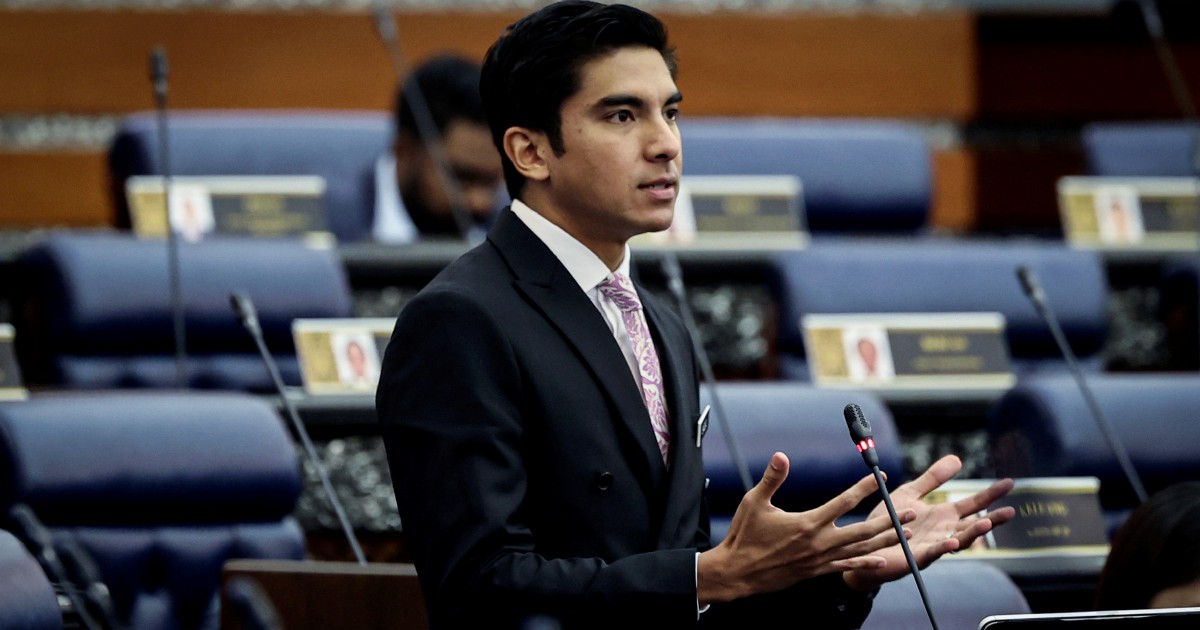
Muda MP Syed Saddiq Syed Abdul Rahman from the Muar constituency delivered sharp criticism of the opposition bloc in parliament on Tuesday, accusing them of undermining the interests of over 10 million Tabung Haji depositors by refusing to participate in the parliamentary debate surrounding the Royal Commission of Inquiry into the pilgrim fund's operations.
The departure of opposition lawmakers from the chamber during the discussion of the RCI report signals a significant political rift over how Malaysia's Islamic banking and savings sector should be held accountable. Syed Saddiq's rebuke points to a deeper tension within parliament about the handling of one of the country's most sensitive financial institutions, which serves predominantly Muslim savers preparing for the Hajj pilgrimage to Mecca.
Tabung Haji operates as a pilgrimage savings fund established under Islamic banking principles, and it holds considerable cultural and religious significance across Malaysia. The fund's stability affects not only individual savings but also broader public confidence in Islamic financial institutions operating domestically. With over 10 million depositors depending on the fund, any governance concerns carry substantial weight among the nation's Muslim population and warrant transparent parliamentary scrutiny.
The Royal Commission of Inquiry was established to investigate specific concerns regarding Tabung Haji's management and financial practices. Such inquiries typically examine matters of administrative efficiency, investment performance, and fiduciary responsibility. The RCI report's presentation to parliament presented an opportunity for lawmakers across the political spectrum to debate findings and propose reforms that might strengthen the institution.
By boycotting the parliamentary debate, opposition representatives chose not to engage substantively with the RCI findings during the formal legislative process. This strategic withdrawal prevents the airing of alternative viewpoints, opposition critiques, and alternative policy proposals that might emerge from detailed parliamentary scrutiny. Whether motivated by broader political disagreements or specific reservations about the RCI process itself, the absence of opposition voices diminishes the comprehensiveness of the parliamentary record.
Syed Saddiq's intervention highlights the political cost of such boycotts at a moment when public accountability is paramount. Depositors invested their savings with expectations of responsible stewardship and transparent governance. Parliamentary debate on the RCI report offers the primary mechanism through which elected representatives can publicly assess whether Tabung Haji management has adequately fulfilled its obligations to those depositors. When opposition members decline to participate, they forgo their opportunity to represent constituent concerns and advance alternative solutions through the legislative forum.
For Malaysian depositors, particularly those from lower and middle-income backgrounds saving toward Hajj pilgrimage, Tabung Haji represents a crucial intersection of religious obligation and personal financial security. The RCI report presumably addresses whether management decisions have protected those savings adequately. Parliamentary debate on such matters carries practical significance—the conclusions drawn and recommendations adopted may shape future policies affecting deposit security, investment oversight, and administrative accountability.
The timing of this parliamentary exchange occurs within a broader context of increasing public scrutiny of Islamic financial institutions and government-linked companies. Public sector organisations in Malaysia, particularly those managing citizen savings, face intensified pressure to demonstrate transparency and sound governance. The opposition's decision to absent themselves from the debate suggests either disagreement with the RCI's conclusions or broader objections to parliamentary procedures, yet both positions arguably warrant public articulation rather than silence.
Syed Saddiq's statement reflects frustration from a lawmaker representing a younger political movement attempting to occupy centrist political space between established coalitions. His criticism implies that collective political interests should not supersede accountability to the millions of ordinary Malaysians relying on Tabung Haji. The Muda party, positioning itself as an alternative voice in Malaysian politics, sees parliamentary responsibility as central to its political identity.
The incident underscores persistent challenges within Malaysian parliamentary culture, where political polarisation sometimes prevents opposition parties from engaging constructively with government initiatives. Whether opposition withdrawal stemmed from principled disagreement with the RCI process or reflected broader coalition politics, the practical outcome remains: the parliamentary record lacks opposition perspective on matters affecting 10 million depositors' interests. As Malaysia navigates questions about Islamic financial institution governance and public sector accountability, such parliamentary absences potentially weaken the legitimacy and comprehensiveness of the legislative process itself.

