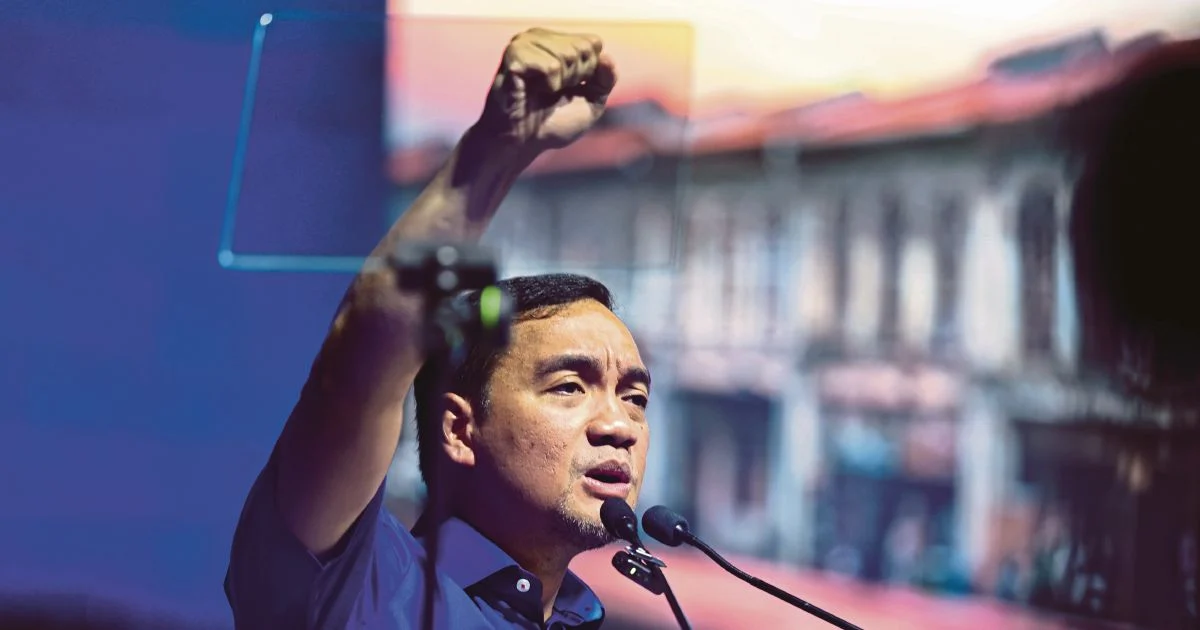
Datuk Onn Hafiz Ghazi, serving as caretaker Menteri Besar, will contest his constituency of Machap in the forthcoming Johor state election, cementing his position as a key candidate for the ruling coalition in the southern state's political landscape.
The decision marks a continuation of Onn Hafiz's tenure in the peninsula's most industrialised state, where he has held significant sway over policy matters affecting millions of residents. His return to contest Machap represents a show of confidence in his electoral appeal, even as Johor enters a fresh electoral cycle that will reshape the composition of the state assembly.
Machap, located in the Muar district, has been Onn Hafiz's parliamentary stronghold for several electoral rounds. The constituency encompasses both urban and semi-rural areas, reflecting the demographic diversity that characterises much of central Johor. Defending the seat underscores his commitment to representing the interests of constituents who have consistently returned him to office.
The Johor state election arrives at a critical juncture for Malaysian politics, as the nation navigates competing demands from economic growth, social cohesion, and institutional accountability. The state government's track record in managing commerce, infrastructure, and public services will likely dominate campaign discourse. Onn Hafiz's candidacy signals the ruling coalition's intention to leverage his administrative experience and political standing among the electorate.
Johor's electoral significance extends beyond its borders. As one of Malaysia's largest states by population and economic output, the election will reverberate through national political calculations and potentially influence the dynamics of federal-state relations. The results could shape resource allocation, legislative priorities, and the balance of power within coalition structures at both state and national levels.
Onn Hafiz's decision to contest Machap reflects broader patterns in Malaysian electoral competition, where incumbent politicians typically seek re-endorsement in established constituencies where they have built political capital. The move permits him to build on voter familiarity and existing grassroots networks, advantages that can prove decisive in tight contests.
The timing of the election coincides with evolving national political conditions, including shifts in coalition alignments and demographic changes that have altered voter preferences in key regions. Onn Hafiz's campaign will need to address economic concerns affecting Johor residents, ranging from cost-of-living pressures to employment opportunities and industrial development in a state that hosts major manufacturing hubs and petrochemical facilities.
For Malaysian and Southeast Asian observers, the Johor election represents a meaningful test of political sentiment in a state that historically has wielded considerable influence over national outcomes. The constituency contests will reveal whether voters endorse continuity or seek change in representation, signalling broader preferences about governance and economic management at the state level.
Machap voters will weigh Onn Hafiz's track record against opposition candidates presenting alternative visions for local development. This dynamic mirrors contests unfolding across Johor, where the state's strategic importance—bridging Malaysia's peninsula and island states while serving as a gateway to Singapore—heightens the stakes for all contending parties.
The campaign period will furnish an opportunity for candidates to articulate their platforms on issues ranging from water security and environmental sustainability to education and healthcare provision. These considerations carry particular resonance in Johor, where rapid urbanisation and industrial expansion have created both opportunities and challenges for residents adjusting to demographic and economic transitions.
Onn Hafiz's candidacy position him prominently in pre-election calculations, and his electoral performance will offer insights into voter receptiveness toward the ruling coalition's governance approach. The outcome in Machap and across Johor will contribute materially to understanding how Malaysian voters perceive economic stewardship, institutional effectiveness, and the parties best positioned to advance their aspirations.