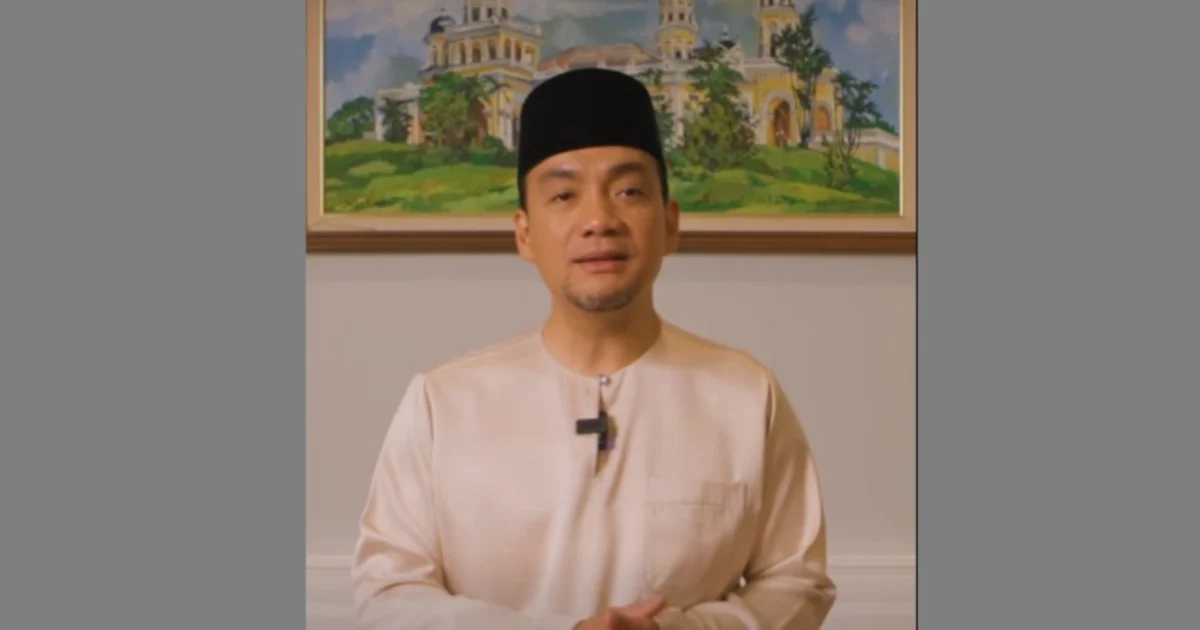
Johor's caretaker menteri besar Datuk Onn Hafiz Ghazi has launched a focused campaign to secure support from the state's military and police personnel ahead of the July 7 early voting date for the upcoming state election, seeking to consolidate Barisan Nasional's position among this crucial voting bloc.
The appeal to security forces represents a deliberate electoral strategy targeting an organised, cohesive group of voters whose participation rates historically exceed the general population. Members of the armed forces and police, along with their families, constitute a significant pocket of voters in Johor, a state where security infrastructure and military installations play an important economic and administrative role.
Security personnel have long been considered a favourable constituency for Barisan Nasional, traditionally voting along establishment lines and maintaining strong ties to the ruling coalition's governance structures. Their early voting opportunity—preceding the general election day—allows these voters to participate while fulfilling their regular duties and responsibilities, making them a predictable and organised segment that campaigns must actively court.
Onn Hafiz's direct engagement with this demographic underscores the coalition's recognition that every vote carries weight in state-level contests, where electoral margins can prove decisive. Johor, as the second-largest state in Malaysia's peninsula by population and a traditional Barisan stronghold, remains crucial to the national coalition's political fortunes and narrative about its continuing relevance.
The timing of this appeal is significant given that Johor historically sets a political tone for other peninsular states. A strong showing by Barisan Nasional here would provide momentum for the coalition's efforts elsewhere, while any unexpected setback could demoralise party machinery nationwide. The security forces vote is therefore not merely symbolic but represents a tangible portion of the anticipated turnout that campaign strategists actively model in their projections.
For security personnel themselves, the early voting arrangement addresses practical considerations around shift patterns and operational requirements that would otherwise create barriers to participation. This logistical accommodation has made military and police voters more reliable participants in Malaysian electoral processes, and both Barisan Nasional and opposition parties have recognised the importance of maintaining or gaining favour with these constituencies.
Onn Hafiz's position as caretaker menteri besar places him in a natural position to make this appeal, as his administration directly oversees policing operations and coordinates with federal security agencies stationed in Johor. This institutional proximity allows him to speak with relative authority and familiarity to security force leaders and their personnel, creating an advantageous platform for the coalition's messaging.
The broader political context sees Barisan Nasional working to rebuild its image and organisational strength following years of challenges to its political dominance. Focused campaigns targeting specific voter segments represent part of this renewal strategy, with the coalition attempting to mobilise its traditional supporters while demonstrating continued commitment to their interests and welfare.
Security forces have practical concerns—career progression, pension security, equipment quality, operational support—that intersect with government policy. Barisan Nasional's messaging to this constituency likely emphasises its track record on defence and internal security matters, contrasting this with opposition parties that may be perceived as having less experience in these portfolios or less sympathetic policy positions.
Johor's strategic importance extends beyond electoral mathematics. The state serves as a testing ground for campaign tactics, messaging approaches, and organisational strategies that national party leaders assess before deploying them elsewhere. Early success in securing security forces' support here provides validation for strategies that might be replicated in other states preparing for future elections.
The July 7 early voting date focuses attention on the mechanisms that facilitate voter participation across different demographic groups. For security personnel, structured voting procedures acknowledge that their responsibilities require accommodations unavailable to civilian voters. This practical recognition of their role and status within the electoral system serves both as convenience and as implicit affirmation of their importance to the political process.
Onn Hafiz's campaign efforts toward security forces must navigate the political neutrality that these institutions officially maintain. While military and police personnel have constitutional rights to vote as individuals, their institutions remain ostensibly non-partisan. This creates a subtle tension where appeals to security voters require careful framing to respect institutional boundaries while still communicating political messages and seeking electoral support.
Looking forward, the security forces' voting preferences in Johor will serve as an indicator of broader sentiment within this traditionally important constituency. Whether Barisan Nasional maintains its expected strength among military and police voters, or whether defections occur, will provide significant data about the coalition's current health and appeal across Malaysian society.

