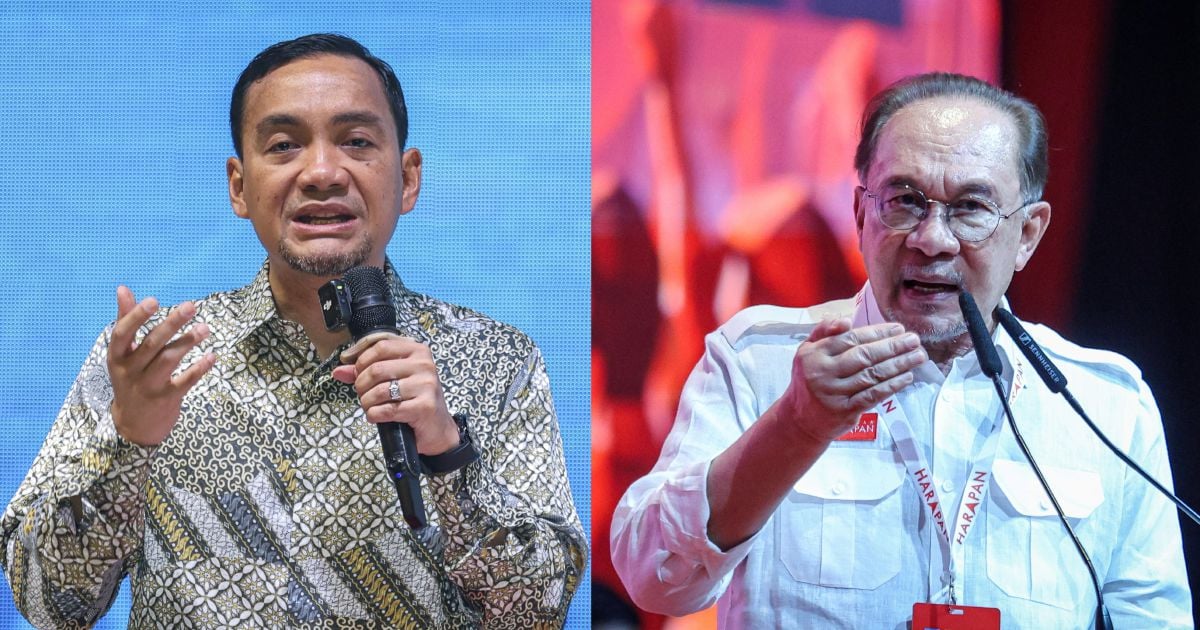
Johor's caretaker menteri besar Datuk Onn Hafiz Ghazi has forcefully pushed back against insinuations that his state administration lacks willingness to collaborate with the federal government, signalling deepening tensions between Johor's leadership and Putrajaya even as the state braces for fresh elections. The dispute underscores broader questions about federalism and the balance of power between central and state governments in Malaysia's complex political architecture.
In his rebuttal, Onn Hafiz challenged the framing of his government's stance as obstructionist, arguing instead that prioritizing the interests and voices of Johoreans should not be conflated with intransigence. His remarks suggest a fundamental disagreement over what constitutes genuine cooperation—whether it means subordinating state concerns to federal directives or maintaining principled negotiation over matters affecting Johor residents. This distinction carries weight across Southeast Asia's federal systems, where regional governments increasingly assert their prerogatives against centralizing tendencies.
The menteri besar's defensive posture reflects the charged atmosphere surrounding Johor politics following recent political shifts. Caretaker status typically implies a transitional period preceding elections, yet Onn Hafiz's vigorous assertion of his government's legitimacy and intentions suggests he views the cooperation question as central to how Johoreans will evaluate his administration's record. By framing responsiveness to constituents as a virtue rather than obstinacy, he attempts to recast the narrative around state-federal relations.
The substance of disagreements between Johor and Putrajaya remains partially veiled in public discourse, though analysts suggest tensions likely stem from policy divergences on development priorities, resource allocation, or administrative autonomy matters. Johor's economic significance—as Malaysia's second-largest state economy with major ports, petrochemical industries, and manufacturing sectors—magnifies the stakes of these disputes. Decisions made in Johor affect regional trade flows, investment patterns, and the broader Malaysian economy, making state-federal coordination genuinely consequential rather than merely procedural.
Onn Hafiz's implicit accusation that his critics equate listening to voters with arrogance presents a rhetorical challenge to federal authorities while appealing to Johorean pride and sense of distinct identity. This strategy acknowledges that Johor residents increasingly view their state as having legitimate grievances and interests separate from, and sometimes competing with, federal priorities. The framing resonates with longstanding Johorean sentiments about preserving state prerogatives in a federal system sometimes perceived as dominated by Kuala Lumpur and Selangor concerns.
The timing of Onn Hafiz's remarks carries political significance given Johor's electoral cycle. State elections represent a crucial moment for governments to consolidate support, and positioning oneself as a defender against federal overreach while simultaneously claiming cooperative intent represents a delicate balancing act. Voters in Johor may reward a menteri besar who stands firm on state interests without appearing reckless or genuinely uncooperative on matters requiring federal-state partnership, such as economic development or disaster management.
Federal-state cooperation in Malaysia functions within a constitutional framework that reserves certain powers to the centre while devolving others to states, yet implementation remains contested and fluid. Infrastructure development, education, healthcare, and economic policy often require coordination across government levels, creating opportunities for both collaboration and conflict. Disagreements over how federal schemes should apply to Johor, or what flexibility states should enjoy in implementing federal directives, likely underpin current tensions, though specific disputes have not been extensively detailed in public statements.
Onn Hafiz's challenge to his critics—questioning whether responsive governance constitutes arrogance—invites reflection on what cooperation means in federal systems. Should states simply implement federal directives with minimal variation, or do legitimate federal systems require genuine negotiation where state governments advocate for their residents' interests? This question extends beyond Johor and Malaysia, resonating across Southeast Asia and globally where centralist and decentralist impulses continually clash.
The controversy also reflects personality dynamics and individual leadership styles shaping Malaysian politics. Onn Hafiz's willingness to engage in public dispute with federal authorities, rather than seeking quiet resolution, suggests confidence in his political standing and perhaps assessment that Johorean voters reward assertiveness. Alternative approaches—quiet negotiation, deferential cooperation, or strategic silence—would convey different messages about his government's relationship with Putrajaya and commitment to state advancement.
Looking ahead, the dispute's resolution likely depends on electoral outcomes and subsequent political alignment. Should Onn Hafiz's administration gain fresh electoral endorsement, cooperation with federal authorities might improve as both levels recognize mutual benefit in working together. Conversely, a change in Johor's government would reset federal-state relationships and potentially resolve current tensions through leadership transition rather than substantive compromise on underlying issues.
For Malaysian observers and regional analysts tracking federal dynamics, Johor's situation illustrates how seemingly technical questions about cooperation mask deeper contestations over resource distribution, political legitimacy, and regional autonomy. The next chapters of this dispute will reveal whether Onn Hafiz's rhetorical challenge translates into genuine political leverage or represents the swan song of a caretaker government soon to be superseded.