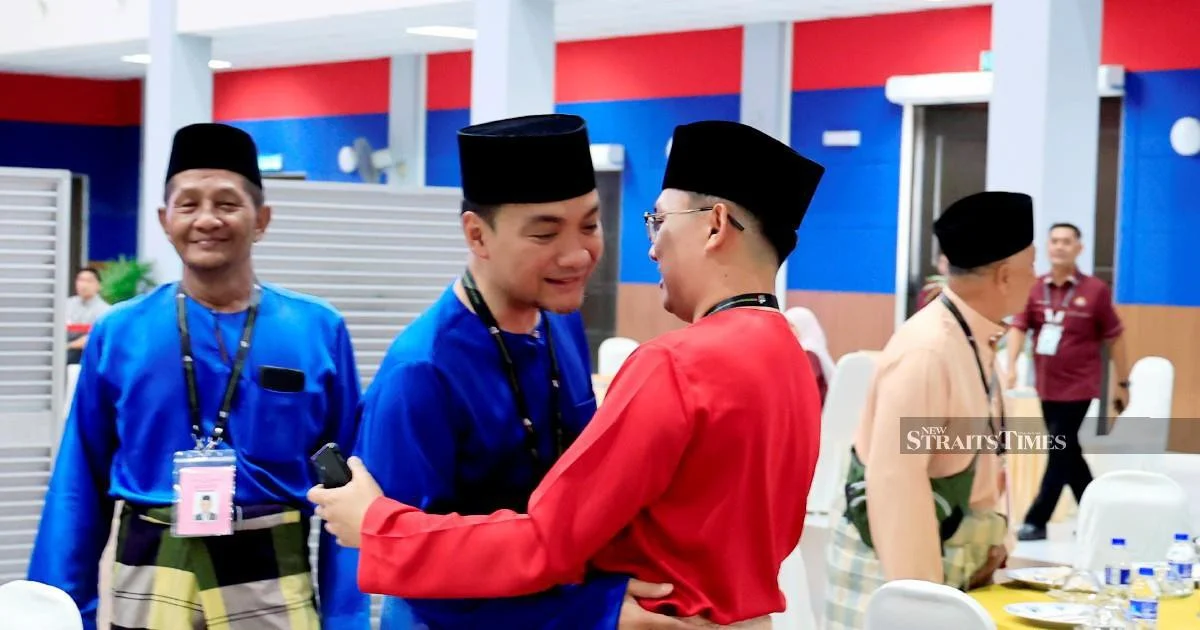
Datuk Onn Hafiz Ghazi, serving as caretaker Menteri Besar, will defend his Machap seat in a one-on-one battle that shapes up as the marquee showdown in Johor's forthcoming state election. The confirmation of a straight contest between Barisan Nasional and Pakatan Harapan representatives has galvanised attention on one of the peninsula's most politically significant elections, with implications for coalition stability at the federal level.
The announcement, made at Simpang Renggam, clarifies the electoral landscape in what observers view as a critical test of voter sentiment in one of Malaysia's largest and most economically diverse states. Machap, a Johor constituency, carries symbolic weight beyond its electoral size—it represents the political fortunes of Onn Hafiz, a figure who has wielded considerable influence in Johor politics and whose performance will likely influence broader calculations within BN about its standing in the southern region.
Onn Hafiz's candidacy as caretaker Menteri Besar underscores the stakes involved. In Malaysia's constitutional framework, the caretaker leadership role carries specific limitations, yet simultaneously provides an incumbent with governance visibility and media profile advantages during the election period. His decision to contest Machap directly, rather than stepping aside as some senior figures do, signals confidence in his personal political base and BN's positioning in the constituency.
The identification of Nur Hafiz as PH's candidate crystallises the opposition's challenge strategy. Rather than splitting resources across multiple seats in Johor, PH appears willing to front a competitive candidate in this particular contest, suggesting both that organisational confidence exists and that the seat is considered winnable under the right circumstances. This tactical choice reflects broader calculations about which constituencies offer PH realistic pathways to seats in a state where BN traditionally maintains organisational advantages.
For Malaysian voters outside Johor, this contest merits attention as an indicator of coalition dynamics. The straight nature of the contest—without additional candidates from smaller parties—suggests disciplined coalition management on both sides. BN's traditional allies and PH's component parties have apparently agreed on unified nomination strategies in Machap, a development that underscores how seriously both blocs treat this election.
Johor's electoral significance extends beyond state-level politics. The state government's policies on development, Bumiputera economics, and federal-state relations influence conditions throughout the southern economic corridor. Moreover, Johor serves as a crucial political base for both Umno and DAP, the leading parties within their respective coalitions. Results here provide early signals about the broader health and appeal of each coalition's messaging and political machinery.
The Machap constituency itself represents a cross-section of Johor's economic and demographic complexity. Constituencies in this region have shown capacity to swing between coalitions based on performance perceptions, economic conditions, and grassroots sentiment. Neither BN nor PH can take such constituencies for granted, and the nomination of both Onn Hafiz and Nur Hafiz suggests both campaigns will be vigorously contested at ground level.
For BN, retaining Machap carries importance for narrative purposes. Any loss of significant constituencies to PH in Johor would be characterised as a setback for the ruling coalition and potentially used to question the sustainability of BN's federal governance partnerships. Conversely, PH requires demonstrable gains to justify its continued relevance and to energise its supporters amid internal debates about coalition strategy and party positioning.
The election assumes added significance given economic conditions. Johor has experienced inflation pressures alongside strong employment in manufacturing and logistics sectors. Voter sentiment will likely reflect assessments of whether either coalition better addresses cost-of-living concerns and creates equitable opportunities. Candidates like Onn Hafiz and Nur Hafiz will campaign extensively on these kitchen-table issues alongside higher-level political narratives.
The timing of this election comes at a moment when federal politics remain fluid. The composition of Johor's state government influences the broader coalition landscape at parliament level, affecting legislative mathematics and policy feasibility. A strong BN performance reinforces Umno's position within the ruling coalition, while any PH gains could shift internal pressure points within that same federal alignment.
Election commissions and observers will scrutinise campaign conduct in Machap closely. As a high-profile contest between two experienced political operatives, the campaign will likely feature sophisticated messaging, extensive ground operations, and significant financial investment by both camps. How voters ultimately respond to competing visions of governance, economic management, and representation will generate insights applicable beyond Johor itself.
The confirmation of this straight contest brings clarity to campaign planning for both coalitions. With candidates now formally designated, operations can intensify in earnest. The coming weeks will demonstrate whether either Onn Hafiz or Nur Hafiz can consolidate sufficient grassroots momentum to secure victory, while national political observers monitor results as harbingers of broader coalition health heading into possible future electoral contests.

