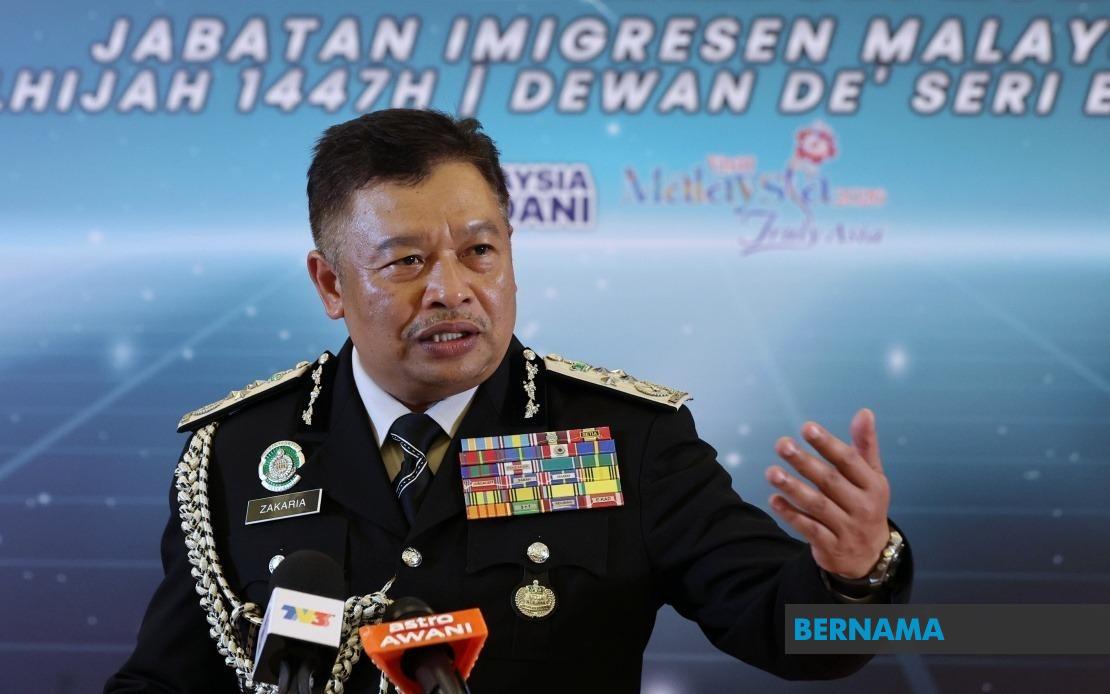
Malaysia's immigration authorities have moved to reassure the public that the scope of technical problems affecting passport processing remains limited, with only two airlines having reported system compatibility issues when handling Malaysian International Passports with validity periods exceeding ten years. Datuk Zakaria Shaaban, the Immigration Department's director-general, clarified the situation during a press conference in Putrajaya on August 13, emphasising that the difficulties were confined to specific carrier operations rather than representing a broader rejection of Malaysian travel documents by international bodies or governments.
The distinction Zakaria drew is important for Malaysian travellers and the broader tourism and business sectors. The problems originate from technical systems employed by the two airlines themselves, not from any systemic weakness in the passports or resistance from foreign authorities to recognising their validity. This clarification addresses potential anxiety among Malaysians who might have feared their travel documents were being questioned internationally. Other airlines, he noted, process Malaysian passports with validity periods exceeding ten years without encountering difficulties, suggesting the issue is localised rather than endemic.
The Immigration Department's acknowledgment that it remains uncertain whether additional carriers face unreported problems indicates an ongoing monitoring process. Zakaria's candid admission that further airline systems might be experiencing issues but simply have not yet notified authorities reflects the practical challenges of coordinating information across the aviation sector. This transparency, while highlighting potential gaps in current communication channels between airlines and immigration authorities, also suggests the department is actively seeking feedback and working toward comprehensive solutions.
The decision to temporarily suspend the provision of validity periods exceeding ten years responds directly to these airline system incompatibilities. Previously, the department had extended passport validity to ten years and six months, particularly for applicants who still possessed substantial time remaining on expired passports when applying for renewals. This practice ensured Malaysian citizens were not disadvantaged by losing validity they had already paid for during the transition between old and new documents. However, the six-month extension capability now proves incompatible with certain airline check-in and border control systems, necessitating the suspension.
Understanding the historical context of Malaysia's passport validity extension policy illuminates why the current suspension creates practical difficulties. The Immigration Department previously offered this additional validity period as a courtesy measure to Malaysians renewing passports prematurely for convenience or updated information. By adding up to six months based on remaining validity, the department maximised the value of citizens' investments in travel documents. The emergence of airline system constraints has transformed this customer-friendly policy into a point of technical friction, forcing a temporary retreat to the standard ten-year validity period.
The involvement of the International Civil Aviation Organization signals that the department recognises this issue extends beyond bilateral negotiations with specific carriers. The ICAO establishes global standards for aviation security and passenger processing, meaning compatibility problems with Malaysian passport formatting or data storage in airline systems potentially have broader implications for other nations using similar document specifications. The department's engagement with ICAO suggests a coordinated effort to resolve not just immediate airline inconveniences but underlying technical standards that may affect multiple countries' travel documents.
In response to citizens who received passports with the ten-year-and-six-month validity before the suspension took effect, the Immigration Department announced a cost-free replacement programme. This measure represents a significant commitment, as it absorbs the administrative and production expenses associated with reissuing potentially hundreds of thousands of documents. The free replacement policy also reflects an implicit acknowledgment that passport holders did not cause the technical incompatibility and should not bear financial consequences for airline system limitations. Malaysian citizens who obtained extended-validity passports in good faith now have the option to upgrade to standard ten-year documents without penalty.
The practical implications of this suspension extend across Malaysia's business, tourism, and diplomatic sectors. International business travellers, airline crew, diplomatic staff, and frequent tourists who were accustomed to passports remaining valid for beyond the standard period now face the prospect of more frequent renewals. This creates administrative workload increases at Immigration Department offices across the country, potentially affecting processing times and service capacity. Regional competitors offering longer passport validity periods may present marginal advantages for Malaysian citizens planning extended overseas assignments or permanent relocations.
From a regulatory perspective, the suspension raises questions about Malaysia's passport specifications and their compatibility with evolving global airline technology systems. As aviation becomes increasingly digitised and automated, passport data must integrate seamlessly with online check-in systems, border control biometric scanners, and airline revenue management platforms. The identification of two carriers with compatibility problems suggests that either Malaysia's passport formatting differs subtly from other nations' standards, or that Malaysia's document specifications have not been consistently updated alongside technological advances in airline operations.
The department's emphasis that this is a temporary suspension pending resolution with airlines and ICAO offers hope that the arrangement represents a short-term adjustment rather than a permanent policy reversal. However, the timeline for such resolution remains undefined. Stakeholders including frequent travellers, passport applicants, and immigration offices await clarity on when the enhanced validity periods might resume and whether the department will implement any changes to passport specifications to prevent similar system incompatibilities in future.
This situation illustrates the often-overlooked intersection between government document policy and commercial technology systems. Immigration authorities design passport validity periods with citizen convenience and administrative efficiency in mind, but the success of such policies ultimately depends on compatibility with systems operated by airlines, border agencies, and travel technology providers worldwide. The Malaysian experience underscores the importance of cross-sector coordination in the digital age, where government policies must account for the technical infrastructure maintained by dozens of private carriers and international organisations.

