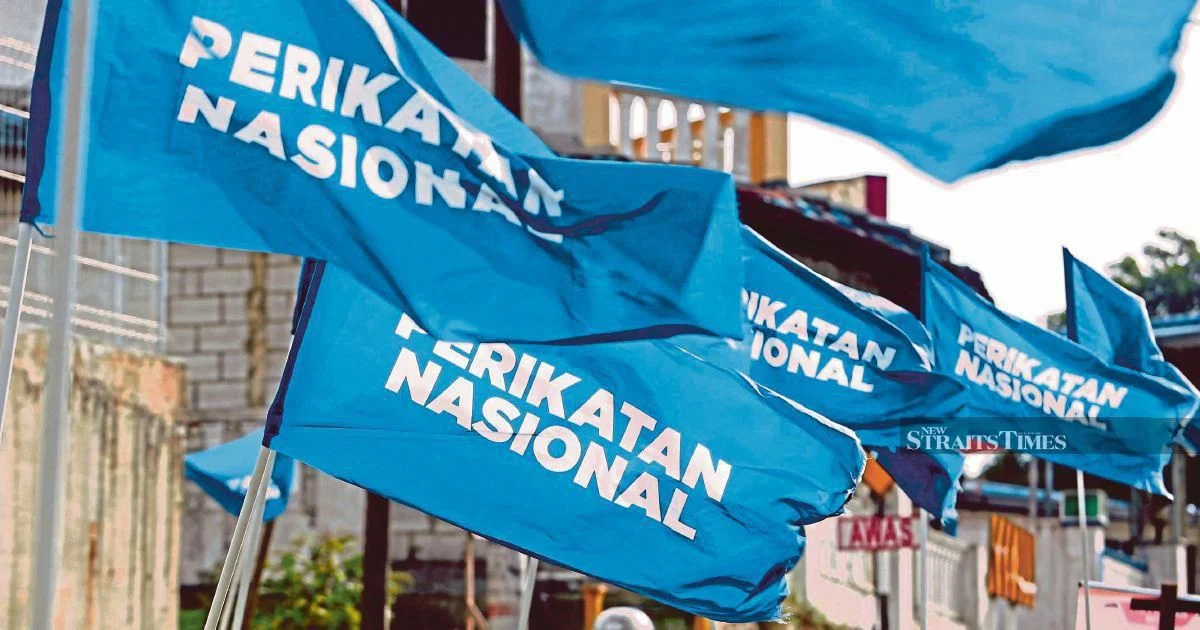
Deepening cracks within the Perikatan Nasional coalition have surfaced in Kota Baru as PAS leaders challenge Bersatu's authority to display the alliance's logo in the Johor and Negri Sembilan state elections scheduled ahead. The dispute underscores mounting tensions between components of the PN pact, which has already weathered significant political turbulence since its formation.
PAS representatives have made clear that logoisation and branding decisions for Perikatan Nasional cannot be undertaken unilaterally by any single member party. Instead, they contend that the coalition chairman—a position that carries constitutional weight within the alliance structure—must formally approve such matters. This position reflects deeper anxieties about decision-making protocols and the balance of power within a coalition that has struggled to maintain cohesion across multiple state-level contests.
The disagreement emerges as both Johor and Negri Sembilan approach electoral tests that could reshape their political landscapes. These state-level competitions carry particular significance for Perikatan Nasional's broader fortunes, as strong performances would consolidate the coalition's credentials as a viable alternative governing force in Malaysia. Conversely, poor results could further undermine the already fragile unity binding the alliance together, with individual parties potentially questioning the strategic logic of continued cooperation.
Bersatu's decision to move forward with the PN logo reflects confidence in the coalition brand's electoral appeal, suggesting the party believes association with the broader alliance benefits its candidates. However, this approach has triggered institutional concerns within PAS about whether such autonomy violates established protocols governing inter-party relations within Perikatan Nasional. The matter touches on fundamental questions about whether member parties operate as equals within a federated structure or whether hierarchy and centralised decision-making should prevail.
The underlying dispute reveals how coalition politics in Malaysia often mask deeper friction about resource allocation, symbolic representation, and strategic direction. When elections loom, partners must navigate the tension between leveraging a collective brand identity and protecting individual party interests. For smaller or less electorally dominant components, centralised authority over branding provides a safeguard against domination by larger counterparts, while stronger parties may view such restrictions as limiting their flexibility to maximise voter appeal.
For Malaysian voters and political observers, these internal quarrels matter significantly. Coalition stability directly affects governance capacity and the credibility of electoral promises. When member parties engage in public disputes over procedural matters, it signals to voters that the alliance lacks the internal discipline and consensus necessary for effective joint administration. Conversely, if Perikatan Nasional can resolve disagreements through established mechanisms, it demonstrates maturity and institutional strength that might appeal to those seeking a stable alternative to the current federal government.
The timing of this controversy is particularly consequential given Malaysia's volatile political environment. Over the past several years, coalition integrity has proven fleeting, with realignments occurring with striking frequency. The ability of Perikatan Nasional to manage internal differences without fragmenting—or conversely, a failure to do so—will reverberate across national politics and shape the options available to voters in subsequent federal contests. Johor and Negri Sembilan thus serve as important testing grounds not merely for these two states but for the broader viability of the PN project.
PAS's emphasis on the coalition chairman's prerogative suggests the party may feel insufficiently consulted on campaign strategy or logo deployment decisions. This perception, whether justified or not, indicates communication gaps within the alliance that could metastasise if left unaddressed. Effective coalitions require regular dialogue among leadership, clear delineation of authorities, and mechanisms for resolving disputes before they erupt into public disagreements that undermine electoral messaging.
From a Southeast Asian perspective, Malaysia's coalition dynamics merit attention as a case study in how diverse political forces attempt to collaborate despite competing interests and ideology. Perikatan Nasional unites disparate actors across the ideological spectrum—from Islamist to conservative nationalist platforms—making unity inherently challenging. The current dispute over logo usage, while appearing technical, exemplifies how procedural disagreements often mask substantive tensions about direction and dominance within heterogeneous alliances.
Moving forward, how Perikatan Nasional resolves this matter will establish precedent for future campaign cycles. Should the coalition chairman's office definitively rule on logo authorisation, this provides clarity but potentially restricts member party autonomy. If instead a consensus approach emerges with shared decision-making, this signals more distributed power but risks slower, less decisive action. The outcome will reveal which governing philosophy PN leadership favours and thus indicate whether the coalition tends toward federation or hierarchy—a distinction with implications for how the alliance might govern if it returns to federal power.
The Johor and Negri Sembilan contests will ultimately test whether Perikatan Nasional can function effectively despite these organisational tensions. Should the coalition achieve strong results, internal disagreements may fade as success breeds confidence and justifies existing structures. However, disappointing outcomes could intensify disputes and trigger broader reconsiderations about the alliance's viability, potentially accelerating further realignments in Malaysian politics.