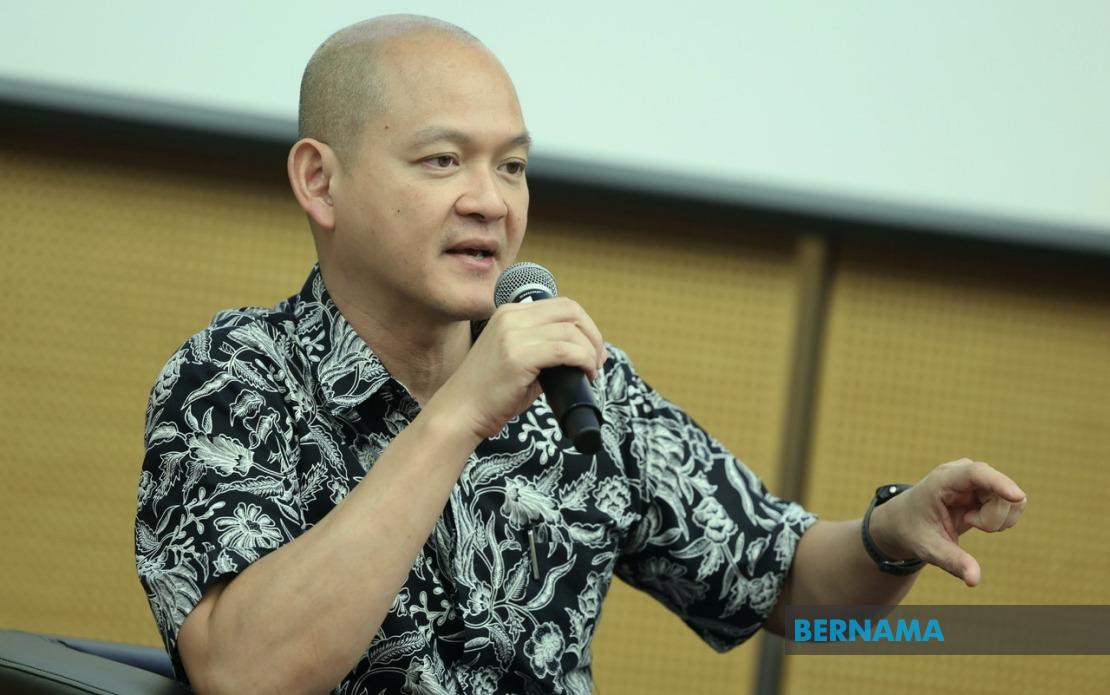
Dr Ong Kian Ming, the former Member of Parliament for Bangi, has formally severed ties with the Democratic Action Party, bringing an end to a 12-year association with the coalition. The announcement, made public on August 31 through a Facebook post, marks a significant departure from one of DAP's more prominent figures in recent years, though the ex-legislator has indicated his withdrawal from frontline electoral politics rather than a pivot to rival parties.
Ong notified DAP Secretary-General Anthony Loke Siew Fook and National Organising Secretary Khoo Poay Tiong of his decision to leave the party effective immediately. His departure concludes a parliamentary career spanning two terms—representing Serdang from 2013 to 2018 before moving to the Bangi seat until 2022—and represents the latest in a series of leadership transitions within DAP's ranks as the party continues to navigate Malaysia's shifting political landscape.
The former deputy minister's resignation statement reflected a measured, forward-looking tone rather than acrimony towards his departing organisation. Ong highlighted his gratitude for opportunities to serve in multiple capacities since joining DAP in 2012, including his role as Deputy Minister for International Trade and Industry between 2018 and 2020, his appointment to the party's Central Executive Committee, and his elected position within DAP's Selangor state structure.
Crucially, Ong has categorically ruled out immediate political realignment. His declaration that he will not be joining another political party in the foreseeable future contrasts with some previous high-profile departures from DAP, where defectors have frequently migrated to competing coalitions or established new movements. This stance suggests his resignation stems from personal or professional considerations rather than ideological disagreements that might naturally lead to alternative political homes.
The timing of his exit, following the 2022 general election that saw DAP retain parliamentary representation but face broader coalition challenges, reflects broader patterns of recalibration within the opposition camp. Several senior figures have stepped back from active electoral involvement, whether through retirement, internal repositioning, or departure, as Malaysian politics continues its volatile recalibration following the Sheraton Move and subsequent governmental reshuffles.
Ong's parliamentary record included advocacy on matters affecting his constituents, particularly infrastructure, economic development, and education policy in the Klang Valley region. His expertise in trade and industry matters, developed both during his ministerial tenure and through his professional background, contributed to DAP's economic policy conversations during periods when the coalition held greater parliamentary influence.
The resignation underscores the transitional moment facing DAP as it contemplates its positioning ahead of the next general election cycle. Leadership continuity and renewal simultaneously preoccupy the party as it manages departures of experienced legislators while developing the next generation of candidates and policy voices. Ong's departure, announced without apparent controversy, represents an orderly transition rather than a disruptive break.
For Malaysian observers tracking DAP's internal dynamics and broader opposition coalition strategies, Ong's decision to abstain from future candidacy raises questions about factors motivating talented politicians to step away from electoral competition. His commitment to serving national interests through alternative channels suggests possible involvement in civil society, academic, consultancy, or advisory roles outside formal political structures.
The Bangi constituency, which Ong previously represented, will require fresh political representation as DAP considers its slate for future elections. His departure from the party apparatus removes one voice from internal decision-making processes, potentially affecting the balance of perspectives on economic policy, federal-state relations, and coalition positioning—areas where his ministerial experience and parliamentary familiarity provided institutional memory and specialist insights.
Ong's statement that he would continue contributing to the country through unspecified alternative means leaves his post-DAP trajectory open to interpretation. Whether he gravitates toward think tanks, business advisory roles, or grassroots civil society work will shape public understanding of his reasons for stepping back from frontline politics at a point where his experience and mid-career positioning might have commanded influence in the run-up to electoral contests.

