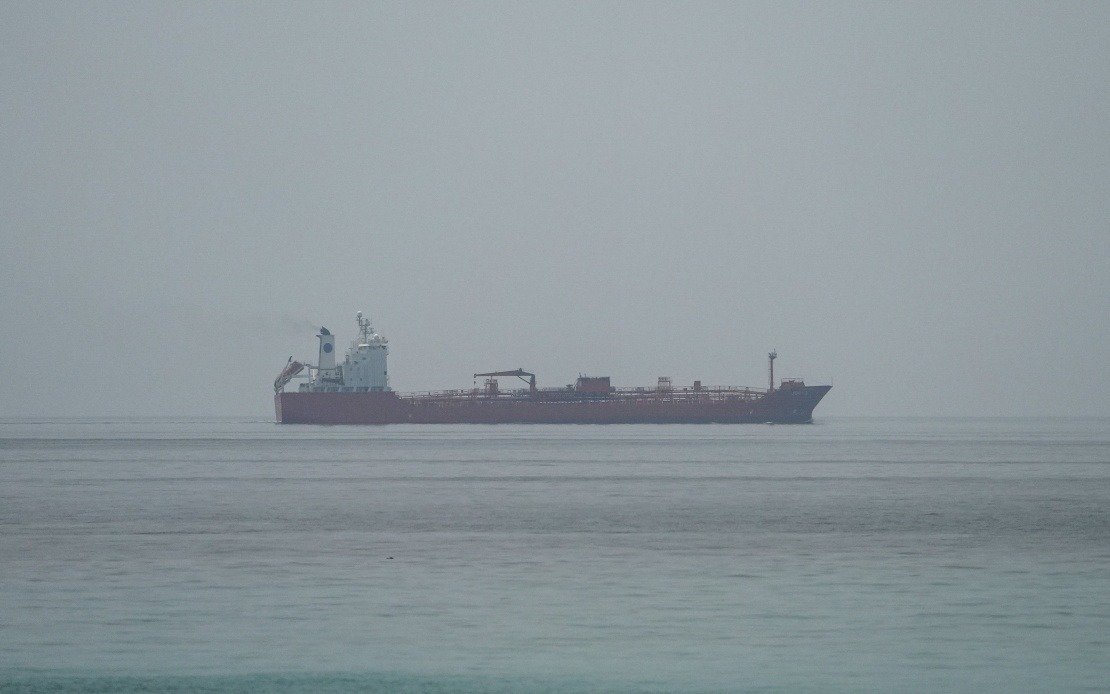
Oman has thrown its diplomatic weight behind the newly signed memorandum of understanding between the United States and Iran, with Foreign Minister Badr Albusaidi emphasising the agreement's potential to restore regional stability and guarantee unobstructed maritime passage through the Strait of Hormuz. The endorsement came during a joint ministerial gathering between the Gulf Cooperation Council and Washington in Bahrain, reflecting the sultanate's strategic positioning as a stakeholder in one of the world's most economically consequential shipping lanes.
As a nation whose coastline abuts the Strait of Hormuz, Oman carries distinctive responsibilities in safeguarding international maritime commerce and upholding international legal frameworks. Albusaidi underscored this special position, noting that Muscat views its role through the lens of broader international obligations under the United Nations Convention on the Law of the Sea. This framing is significant because it elevates Oman's commitment from mere regional interest to participation in a globally recognised legal architecture, thereby lending weight to Muscat's pronouncements on corridor safety and access.
Crucially, the Omani minister explicitly reaffirmed that no toll or transit charges would be imposed on vessels passing through the strait under future arrangements stemming from the agreement. This pledge carries substantial implications for global energy markets and shipping industries reliant on the corridor, through which roughly one-third of seaborne oil exports flow annually. For Malaysia and other Southeast Asian economies dependent on Persian Gulf hydrocarbon supplies, such assurances matter profoundly to energy security and cost predictability.
The Iran-US memorandum itself, which became operative on June 18 after electronic signature by Iranian President Masoud Pezeshkian and US President Donald Trump, comprises fourteen points addressing multiple dimensions of regional conflict. Beyond the Hormuz provision, the agreement encompasses commitments to cease hostilities across multiple theatres, including Lebanon, and encompasses a lifting of the American naval blockade that had constrained Iranian shipping. Pakistan's mediation role in brokering this understanding underscores the interconnectedness of South and West Asian geopolitical interests, a dynamic with reverberations across the Indian Ocean region where Malaysian maritime and commercial lanes intersect with broader trade corridors.
The backdrop to this agreement involves considerable turbulence. In late February, coordinated strikes by the United States and Israel targeting Iranian positions precipitated Iranian counter-strikes against Israeli and allied installations across the region. These cycles of escalation had raised acute concerns about the potential for sustained conflict that could disrupt shipping, elevate energy prices, and destabilise a region already burdened by multiple conflicts. The successful mediation represented a significant de-escalation from that trajectory.
Oman's vocal backing reflects the sultanate's consistent role as a regional mediator and pragmatist in Gulf affairs. Unlike some GCC neighbours whose relationships with Iran have been defined by confrontation, Oman maintains more independent diplomatic channels and has historically eschewed the harder rhetorical stances adopted elsewhere in the Arabian Peninsula. This temperament positions Muscat as a credible guarantor of neutral-ground arrangements, which likely explains why Albusaidi's assurances on free transit carry weight beyond mere political theatre.
The ministerial forum itself represents the periodic structuring of GCC-US coordination mechanisms addressing security, diplomatic matters, and economic engagement across West Asia. These gatherings acknowledge the enduring American role in regional affairs while providing platforms through which Gulf states articulate collective positions and bilateral concerns. The timing of this particular meeting, with the Iran-US accord so recently formalised, created an opportunity for official validation of the agreement and its ramifications.
For Malaysian stakeholders—including shipping companies, energy importers, and financial institutions—Oman's explicit commitment to toll-free transit reduces one category of uncertainty surrounding future Strait of Hormuz operations. Energy-dependent Southeast Asian economies have historically absorbed volatility in Persian Gulf trade flows due to geopolitical disturbances, and anything reducing that volatility translates into tangible economic benefits through lower hedging costs and more predictable supply chains.
The significance of the Omani position also extends to the broader principle of freedom of navigation and mare liberum—the notion that international waters remain open to all users. By anchoring Muscat's stance in the UN Convention on the Law of the Sea, Albusaidi positioned Oman as a custodian of established maritime law rather than a party to a bilateral arrangement. This framing neutralises potential criticism from other maritime powers and reinforces the legitimacy of the transit regime.
Looking ahead, the durability of these pledges hinges on the sustainability of the Iran-US accord itself. The fourteen-point understanding represents a significant diplomatic achievement, yet regional tensions and shifting geopolitical alignments could test its longevity. Oman's role as a guarantor of free passage may prove instrumental in preserving the agreement's integrity, as the sultanate's credibility and independence allow it to maintain dialogue channels even if formal bilateral relations between Washington and Tehran encounter friction.
For regional economies including Malaysia, the agreement and Oman's supporting commitments offer a measure of near-term stability in one of global commerce's most critical chokepoints. Yet this stability requires ongoing diplomatic vigilance and continued commitment from all stakeholders to preserve the arrangement. Oman's public endorsement, delivered through formal channels and anchored in international law, represents a meaningful step toward institutionalising these undertakings.

