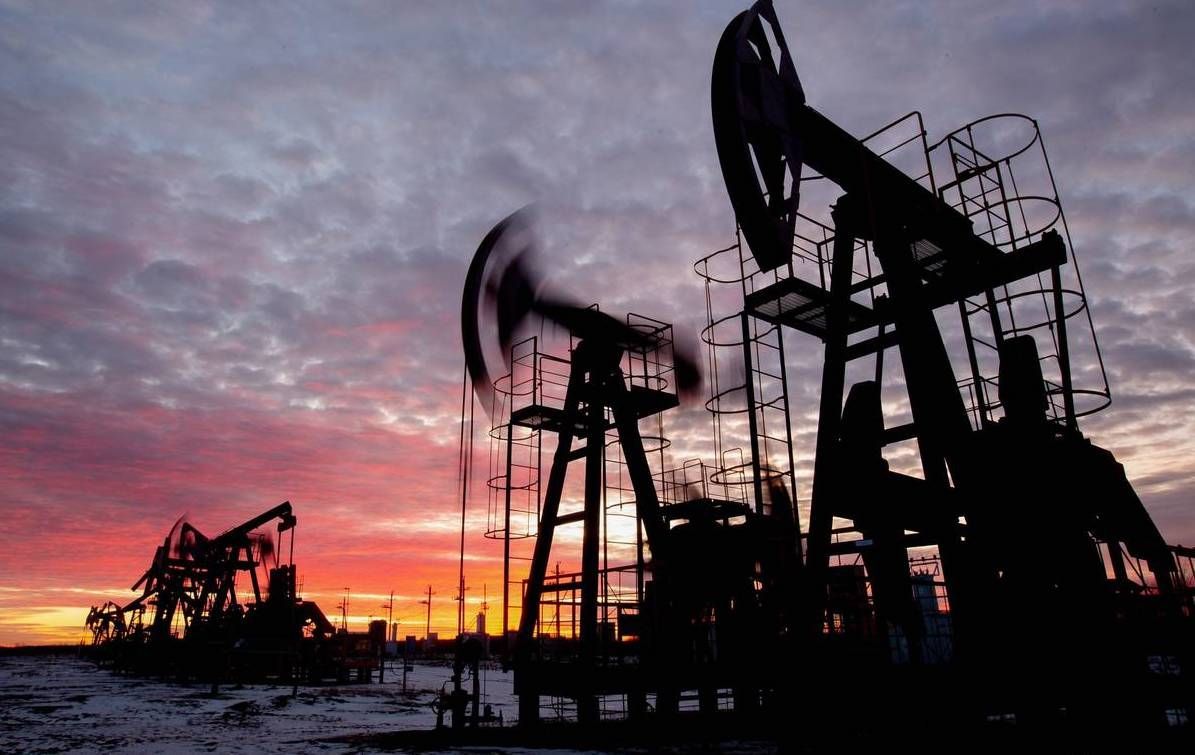
Crude oil extended modest gains on Wednesday as geopolitical tensions in the Middle East deepened while diplomatic efforts to resolve regional conflicts showed no signs of progress. Brent futures climbed 7 cents to settle at US$88.98 per barrel, while US West Texas Intermediate rose 7 cents to US$83.27, reflecting cautious optimism among traders balanced against mounting uncertainty over supply disruptions and long-term demand destruction.
The uptick in prices followed a dramatic disclosure from Iranian sources, who indicated through Reuters that no negotiations were underway between Tehran and Washington to extend their existing ceasefire arrangement. According to officials in Iran, the fundamental impediment to talks was definitional—the original agreement contained no clearly established start date, rendering any notion of extension technically and diplomatically meaningless. This fundamental breakdown in diplomatic channels has become a critical driver of market sentiment, as traders increasingly doubt that geopolitical tensions constraining crude flows from one of the world's most oil-rich regions will ease in the near term.
Analysts at brokerage XS.com characterised the current price environment as one where optimism about conflict resolution has largely evaporated. "The continued strength in oil prices comes as markets grow increasingly doubtful that an agreement can soon be reached to ease disruptions to crude flows from the region or prevent another escalation of the conflict," explained Simon-Peter Massabni, head of business development at the firm. This sentiment reflects a broader recognition that without diplomatic progress, the risks of further supply disruptions remain elevated and could trigger additional price spikes.
Physical disruptions to maritime commerce intensified during the period under review, with both American military and the Iran-aligned Houthi movement reporting separate attacks on commercial vessels transiting critical chokepoints. The Strait of Hormuz and the Bab el-Mandeb Strait, along with the Suez Canal, form an interconnected network through which the bulk of Middle Eastern oil and liquefied natural gas destined for global markets must pass. On Tuesday alone, shipping data revealed a dramatic contraction in traffic through the Strait of Hormuz, with only eight vessels recorded passing through—the lowest level in a week. Before the onset of regional hostilities, between 125 and 140 vessels navigated this critical waterway daily, underscoring the severe disruption now affecting energy logistics.
Despite the bullish supply-side dynamics, crude markets faced substantial headwinds from the demand side, as major international forecasting bodies revised down their expectations for global oil consumption. The Organisation of the Petroleum Exporting Countries released its monthly assessment indicating that worldwide oil demand growth for 2026 would reach only 580,000 barrels per day, a meaningful reduction from previous estimates. This downward revision reflected a growing consensus that sustained supply constraints and elevated prices were already beginning to depress consumption patterns among refiners and industrial consumers.
The International Energy Agency, based in Paris, adopted an even more cautious stance, cutting its 2026 demand projections substantially and now anticipating an overall contraction of 1.6 million barrels per day this year. However, the same agency's supply forecasts painted a more complex picture, projecting a 4.3 million barrel-per-day decline in crude supplies during 2026 and predicting an overall deficit of approximately 1.27 million barrels per day across the year. This structural gap between falling supply and falling demand raises intriguing questions about how markets will absorb the mismatch and whether prices might strengthen significantly if supply-side disruptions worsen.
Simon Wong, portfolio manager at Gabelli, offered crucial perspective on the demand revisions, noting that the forecast reductions were entirely predictable given the operational constraints facing refineries, particularly across Asia. "Refiners, particularly those in Asia, have been unable to secure enough crude supplies due to the closure of the Strait of Hormuz and have therefore reduced refinery runs," Wong explained, highlighting how supply-chain disruptions directly depress consumption figures. The critical analytical question, in his assessment, concerns whether the observed demand reduction represents temporary operational adjustments or permanent demand destruction—a distinction with profound implications for long-term market structure and investment patterns.
Wong's subsequent commentary carried particular relevance for regional policymakers and energy planners. "The question is, after the war, how much of that demand will actually come back? I don't think all of it will," he suggested, implying that sustained high prices and supply disruptions may fundamentally alter consumption patterns and encourage efficiency improvements or fuel switching that persist even after geopolitical tensions ease. For Malaysia and other Southeast Asian economies heavily dependent on crude imports for refining and power generation, such structural shifts carry significant economic implications.
An unexpected development emerged in crude inventory data released by the US Energy Information Administration on Wednesday, which reported that American crude stocks posted a surprise build during the preceding week—the largest weekly accumulation since January 2023. Analysts attributed this counterintuitive development to unusually weak crude export performance combined with a simultaneous surge in import volumes. The inventory build suggests that domestic supply capacity exceeded both export demand and refinery throughput, reflecting the complex dynamics of constrained international logistics competing against soft downstream demand.
For Malaysian energy stakeholders and policymakers, these market developments carry several implications. Southeast Asia's refining sector, among the world's most sophisticated, faces mounting pressure from both supply-side disruptions and demand-side weakness, suggesting that refined product margins may experience compression. Additionally, the persistent geopolitical tensions in the Middle East underline the strategic importance of diversifying crude sources and strengthening energy security through investments in domestic production, regional partnerships, and strategic petroleum reserves. The current market environment, characterised by elevated uncertainty and structural imbalances, may create both risks and opportunities for regional energy companies prepared to navigate the volatility.

