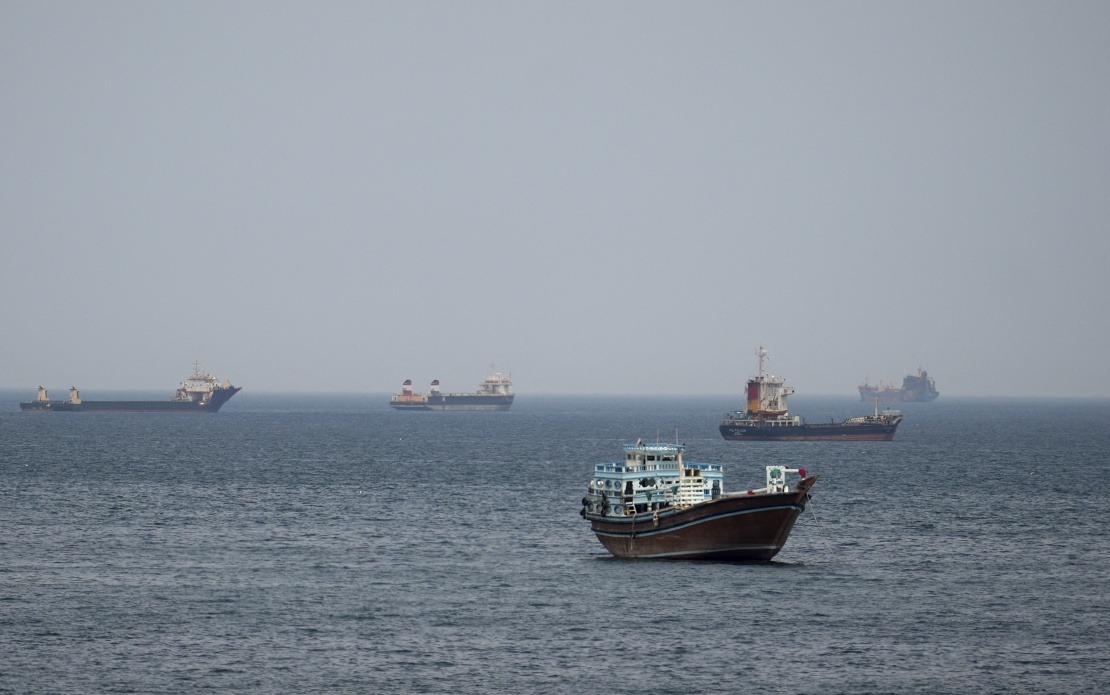
Oil tankers have begun moving through the Strait of Hormuz following the implementation of an interim ceasefire agreement between the United States and Iran on Thursday, marking a significant shift in regional stability after months of intense conflict. The accord allows traffic to resume through one of the world's most critical energy chokepoints, which normally facilitates roughly one-fifth of global petroleum supply. The immediate economic impact has been substantial, with crude oil prices falling to their lowest levels since fighting erupted on February 28, as market participants anticipate a gradual return to normal export flows through the strategic waterway.
The agreement grants negotiators a 60-day window to hammer out the thorniest remaining issues, particularly Iran's nuclear programme development, which served as the stated justification for the American military offensive. Alongside the nuclear negotiations, the deal establishes a $300 billion reconstruction fund for Iran and incorporates additional financial incentives designed to encourage compliance. Vice President JD Vance, who will helm the American negotiating team, has signalled that Washington intends to pursue restrictions on Iran's long-range ballistic missile capabilities as a complementary objective. This multifaceted approach suggests American policymakers view the ceasefire as an opening to address multiple dimensions of Iran's regional military capacity, not merely the nuclear dimension.
President Donald Trump's willingness to accept an interim agreement stands in sharp contrast to his initial maximalist demands when military operations commenced nearly four months ago. At the campaign's outset, Trump articulated an ambitious five-point agenda encompassing the complete destruction of Iran's nuclear weapons capacity, elimination of its cross-border strike capabilities, cessation of support for allied militant organisations throughout the Middle East, facilitation of internal Iranian regime change, and ultimately Iran's unconditional surrender. The final accord addresses none of these original objectives comprehensively, a reality that has triggered criticism from Republicans within Congress who contend the administration capitulated excessively to achieve an unpopular war's termination.
Iran's Supreme Leader Ayatollah Moitaba Khamenei has characterised Trump's decision to sign the agreement as motivated by desperation, a framing that underscores Tehran's assessment of its own strengthened negotiating position. Through successfully resisting superpower military pressure, maintaining effective command over the Strait of Hormuz, and securing valuable exemptions from international financial sanctions, Iran enters the diplomatic phase from a position of relative advantage. Khamenei's written statement warning that "if the American side wants to be too demanding, we will not accept it" signals Tehran's intention to defend its interests assertively during the forthcoming nuclear discussions, suggesting the pathway to a comprehensive long-term accord remains treacherous.
Despite the ceasefire's formal commencement, Iran has made clear that it will continue exercising supervisory authority over Hormuz traffic throughout the 60-day negotiation period, though the Islamic Republic has pledged to refrain from imposing transit fees during this interval. This arrangement acknowledges Tehran's de facto control over shipping lanes while creating a temporary accommodation that satisfies both parties' immediate interests. The provision allows global energy markets breathing room to normalise supplies while preserving Iran's capacity to leverage this strategic asset should negotiations deteriorate. For Malaysia and other Southeast Asian oil importers, the restoration of predictable traffic flows carries enormous implications for fuel costs and inflation management.
The fragility of the ceasefire has become apparent through continuing Israeli military operations in Lebanon, where fighting has already displaced over one million civilians and shows no signs of slowing. Fresh Israeli airstrikes commenced early Thursday even as the US-Iran agreement took effect, illustrating the difficulty of compartmentalising Middle Eastern conflicts and the limited reach of Washington's diplomatic leverage over its regional allies. Trump has expressed vocal frustration with Israel's Lebanese offensive, generating one of the most significant rifts between the two countries in recent decades and prompting the American president to question aloud why Israel would attack its most powerful remaining international ally. The contradiction between Trump's public commitment to ending all regional hostilities and Israel's apparent determination to expand its occupation zone in Lebanon threatens to undermine the broader diplomatic initiative.
The agreement's text calls explicitly for the "permanent termination" of Lebanon's conflict and guarantees regarding Lebanese territorial integrity and sovereignty. Yet Israel, notably excluded from the negotiation process, has released maps depicting an expanded occupation territory and declared it harbours no intention of withdrawing from Lebanese soil. This categorical refusal to honour the agreement's Lebanon provisions exposes a critical weakness in the ceasefire architecture: the American government lacks enforceable mechanisms to compel Israeli compliance with terms its government did not negotiate or endorse. The impasse between Trump's publicly stated position and Israel's observable military strategy suggests the conflict's Lebanese theatre could become a flashpoint that destabilises the broader accord.
For regional powers and global energy consumers, the ceasefire's sustainability hinges on whether the nuclear negotiations can generate a durable framework that addresses American security concerns while respecting Iranian sovereignty claims. The 60-day timeline is ambitious for resolving disagreements that have festered for decades, and Tehran's hardline leadership has already signalled its unwillingness to accept what it perceives as excessive American demands. The establishment of financial reconstruction mechanisms and sanctions relief represents an acknowledgement that purely coercive approaches have proven insufficient, yet history suggests that sanctions relief arrangements often collapse when political circumstances shift. Malaysian and Southeast Asian policymakers must prepare contingency strategies should the nuclear talks fail, as such a breakdown could reignite military hostilities and disrupt global energy supplies once again.
Analysts remain divided on whether Iran has emerged as the substantive victor from this round of great power competition. Proponents of this interpretation emphasise Iran's demonstrated capacity to withstand a superpower assault, its maintenance of Hormuz leverage, and the sanctions concessions extracted. Sceptics counter that Tehran faces an uncertain 60-day period where American negotiators, now operating without military pressure to conclude talks hastily, may demand far-reaching restrictions on nuclear activities, missile development, and regional proxy networks. The critical distinction centres on whether the current agreement represents a durable settlement or merely a tactical pause before renewed confrontation. The answer will likely emerge during the coming negotiations over Iran's nuclear programme, which remain among the most contentious issues dividing Washington and Tehran.

%22%2F%3E%3C%2Fpattern%3E%3C%2Fdefs%3E%3Crect%20width%3D%22100%25%22%20height%3D%22100%25%22%20fill%3D%22url(%23ph2ej7eg)%22%2F%3E%3Crect%20width%3D%22100%25%22%20height%3D%22100%25%22%20fill%3D%22url(%23ph2ej7ep)%22%2F%3E%3Ctext%20x%3D%2250%25%22%20y%3D%2250%25%22%20text-anchor%3D%22middle%22%20dominant-baseline%3D%22central%22%20fill%3D%22rgba(255%2C255%2C255%2C0.95)%22%20font-family%3D%22Georgia%2C%20'Times%20New%20Roman'%2C%20serif%22%20font-weight%3D%22700%22%20font-size%3D%22272%22%20letter-spacing%3D%22-0.02em%22%3EAnwar%3C%2Ftext%3E%3C%2Fsvg%3E)