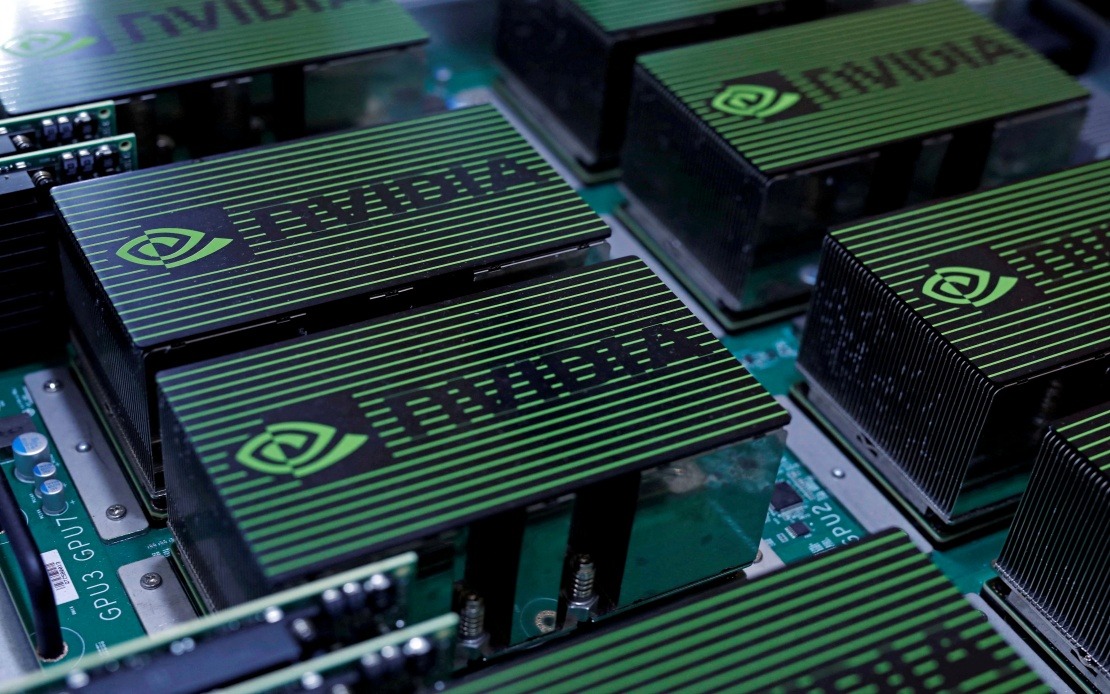
Nvidia, the world's leading artificial intelligence chip manufacturer, has implemented a sweeping reduction in the number of authorised Asian buyers for its most advanced processors, cutting its customer roster in the region by more than half. The dramatic move reflects escalating US government efforts to close loopholes in existing export controls that have allowed state-of-the-art AI semiconductors to reach China through intermediaries in neighbouring countries, sidestepping Washington's multilayered trade restrictions.
The verification process has become markedly more rigorous across three critical Asia-Pacific markets. Singapore, Malaysia, and Japan have all experienced tightened vetting procedures as Nvidia seeks to ensure compliance with increasingly complex US regulations governing the sale of cutting-edge computing technology. The company's expanded due diligence measures suggest that previous approval mechanisms may have been insufficient to identify potential violations or circumvention schemes.
The updated approved customer list represents a substantial departure from Nvidia's historical approach to regional distribution. More than half of the companies previously authorised to purchase these chips have been removed from the current roster. However, the company has provided an avenue for remediation—organisations can contest their exclusion and submit fresh applications for reconsideration, creating a pathway for reinstatement if they can satisfy the stricter compliance standards now in effect.
Neocloud providers have emerged as a particularly hard-hit segment among the affected entities. These specialised firms operate bespoke cloud computing platforms designed explicitly for AI model training and large-scale machine learning operations. Their business models typically involve purchasing advanced chips in bulk, deploying them in shared computing environments, and selling access to clients globally. The concentration of scrutiny on this sector suggests that regulators view it as a potential vulnerability in the export control framework.
The underlying geopolitical calculus driving these restrictions remains straightforward. The United States government has determined that preventing China from acquiring the most powerful AI processors is essential to maintaining American technological superiority and preventing advances that could strengthen Chinese military and surveillance capabilities. Previous attempts to enforce these restrictions through direct export bans have prompted companies and countries to develop workarounds—purchasing chips in allied nations and subsequently transferring them across borders.
Malaysia occupies a particularly sensitive position in this dynamic. The country has become an increasingly important node in global semiconductor supply chains and technology investment flows. Major chip manufacturers maintain substantial operations here, making it both a source of legitimate AI computing demand and a potential transit point for restricted goods. Nvidia's enhanced screening measures in Malaysia suggest the company views the country as warranting heightened vigilance comparable to that applied to Singapore and Japan.
The compliance burden imposed by these stricter procedures extends beyond Nvidia's operations. Regional technology firms and emerging AI companies now face uncertainty regarding their ability to access the computational resources necessary for competitive development. Startups and smaller enterprises that previously qualified for purchases may now find themselves frozen out of the market, potentially stalling innovation initiatives across Southeast Asia. This has direct implications for Malaysia's ambitions to develop a thriving artificial intelligence ecosystem and compete globally in emerging technology sectors.
The reapplication process creates additional friction in the market. Companies must now invest time and resources in demonstrating renewed compliance, potentially waiting weeks or months for approval decisions. This creates operational challenges for firms with time-sensitive projects or customers expecting uninterrupted access to cutting-edge computing power. The administrative overhead also benefits established players with dedicated compliance teams while disadvantaging smaller competitors.
The broader context of US-China technology competition has only intensified throughout 2024. Washington has progressively tightened restrictions across multiple semiconductor categories, expanding beyond merely the most advanced chips to encompass broader categories of computing equipment capable of supporting AI development. Nvidia's actions appear aligned with anticipated further regulatory tightening, suggesting the company is positioning itself ahead of potential new restrictions rather than merely responding to existing rules.
Singapore and Japan, as longtime US security partners with substantial existing ties to American technology firms, likely face less onerous screening despite the general tightening. Malaysia's non-aligned positioning and its importance to Chinese technology investments may explain why enhanced scrutiny has been applied here with particular intensity. The outcome will influence whether Southeast Asian companies can maintain technological parity with competitors in North America and Europe.
The long-term implications for Malaysia's technological development trajectory warrant close attention. Reduced access to cutting-edge AI infrastructure could disadvantage local firms attempting to build competitive advantages in machine learning, data analytics, and artificial intelligence applications. However, the situation also creates potential opportunities for regional companies to develop alternative solutions, forge deeper partnerships with non-US chip manufacturers, or identify niche applications where Western chip suppliers face constraints.
For Malaysian technology investors and entrepreneurs, the message is unambiguous: reliably accessing the most advanced foreign computing technology will require navigating an increasingly complex regulatory environment. Companies must either build deeper compliance capabilities internally or work with partners capable of managing these evolving requirements. The gap between approved and excluded firms will likely widen over coming months as more stringent criteria take effect.

